

Phone:
+86 15010632687
Popular Refractory Metals

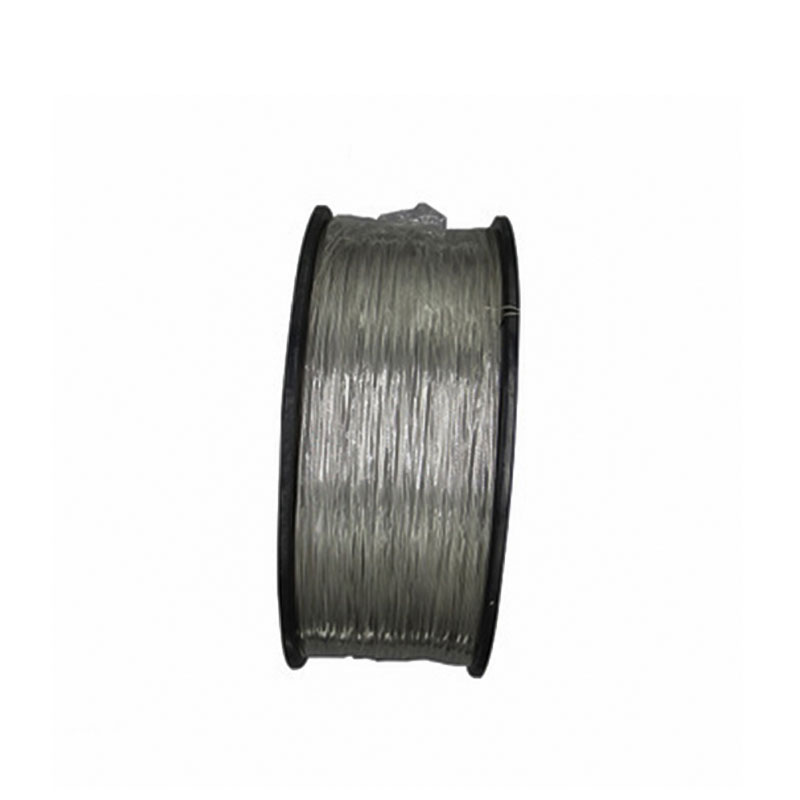
Selecting the correct tungsten wire grade is essential for achieving the required performance, service life, and manufacturing efficiency in high-temperature applications. While W1 and W2 are pure tungsten grades suited for general high-temperature and vacuum uses, WAL1 and WAL2 are potassium-doped grades engineered for superior recrystallization resistance and anti-sag performance, particularly in lighting filaments and components under thermal cycling.
This guide helps design engineers, process engineers, purchasing managers, and equipment manufacturers understand the differences, match grades to real-world applications, and make confident procurement decisions. Whether you need maximum purity for semiconductor equipment or enhanced durability for lighting systems, choosing the right grade prevents premature failure and optimizes costs.
Not all tungsten wire performs the same way. Manufacturers create different grades by controlling purity levels, adding specific dopants, and optimizing processing to influence grain structure, mechanical strength, recrystallization temperature, and high-temperature stability. These variations allow the wire to meet the unique demands of vacuum furnaces, lighting, electronics, and semiconductor manufacturing.
Choosing the wrong grade can lead to reduced service life, unexpected sagging, increased maintenance, or higher overall production costs. Understanding the grades helps align material properties with your specific operating conditions.
| Grade | Material Type | Best For | Main Advantage |
|---|---|---|---|
| W1 | Pure Tungsten | General industrial heating, vacuum applications | High purity & excellent heat resistance |
| W2 | Pure Tungsten | Vacuum applications, continuous operation | Stable performance & consistency |
| WAL1 | Potassium Doped | Lighting filaments, electron tubes | Excellent anti-sag performance |
| WAL2 | Potassium Doped | High-temperature components, high-power lighting | Longer service life under cycling |
Choose W1 when you need maximum purity and reliable performance in high-temperature environments. It offers excellent thermal stability, high electrical resistance, and consistent conductivity, making it ideal for applications where contamination control is critical.
Typical Industries: Vacuum furnace manufacturers, tungsten semiconductor equipment, electronics, and laboratory high-temperature systems.
W2 provides slightly different processing characteristics that result in enhanced stability for continuous high-temperature operation. It is often preferred when consistent performance over long periods is more important than absolute maximum purity margins.
Typical Applications: Vacuum environments, precision heating elements, and components requiring reliable long-term dimensional stability.
Potassium doping creates microscopic bubbles that pin grain boundaries, forming a interlocking fiber structure. This dramatically improves anti-sag performance and creep resistance during repeated heating and cooling cycles — resulting in longer filament life and brighter, more stable lighting performance compared to pure tungsten grades.
WAL2 offers optimized doping levels for even greater stability in high-power or more demanding thermal cycling applications. It provides excellent recrystallization resistance and is suitable for high-temperature components where extended service life under stress is required.
| Application | Recommended Grade |
|---|---|
| Vacuum Furnace Heating Elements | W1 |
| General Heating Elements | W1 / W2 |
| Lamp Filaments | WAL1 |
| High Temperature Components | WAL2 |
| Semiconductor Equipment | W1 |
| Electron Tubes | WAL1 |
Operating Temperature: Pure grades (W1/W2) for ultra-high continuous heat; doped grades for cycling.
Working Environment: Vacuum or inert gas favors pure tungsten; air exposure requires careful consideration.
Mechanical Requirements: Coiling, bending, or vibration resistance favors doped alloys.
Product Lifetime vs Cost: Balance initial material cost against reduced downtime and replacements.
Choosing doped tungsten (WAL grades) when pure tungsten (W1) is sufficient — unnecessarily increasing costs.
Ignoring working temperature and thermal cycling patterns, leading to premature recrystallization and failure.
Focusing only on purity while overlooking grain structure and anti-sag properties critical for real-world performance.
HSG Metal helps customers select the most suitable tungsten wire grade based on operating temperature, application requirements, wire diameter, tolerances, and production processes. Our engineering team provides technical support to optimize performance and reduce overall costs. As a reliable supplier, we offer consistent quality across W1, W2, WAL1, and WAL2 grades.
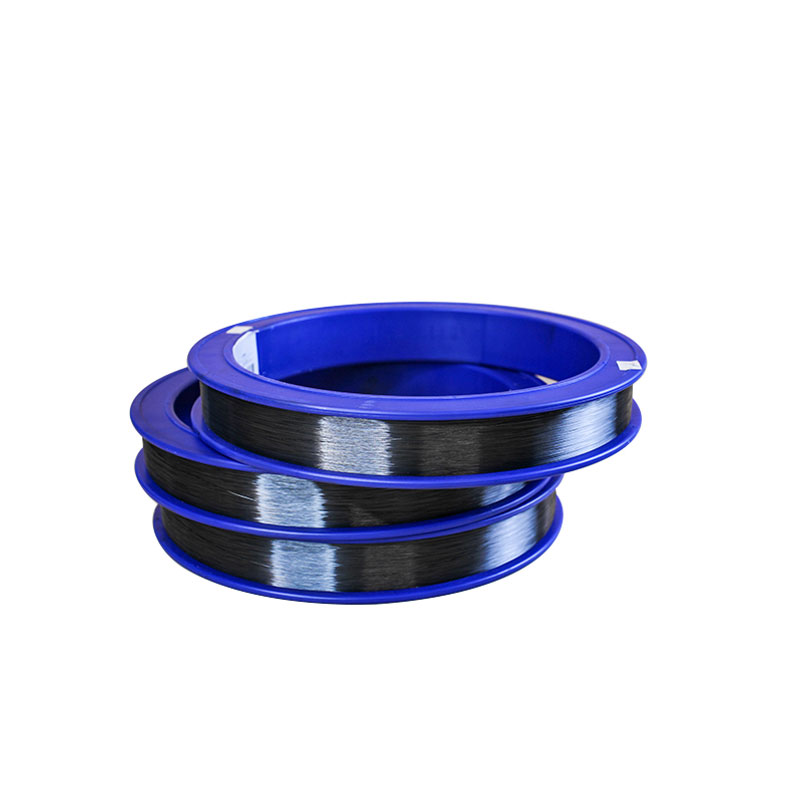
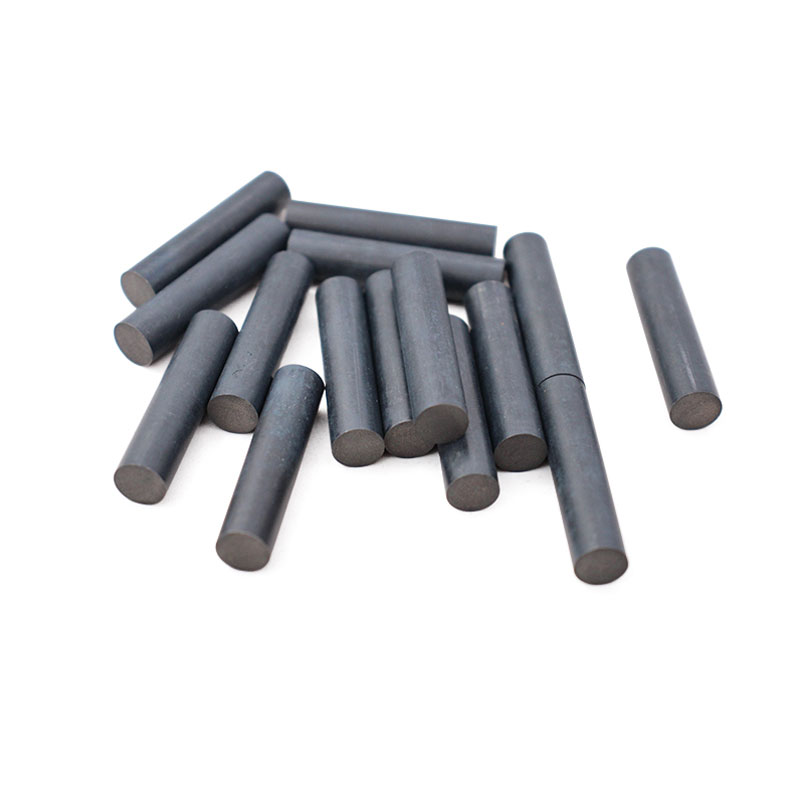
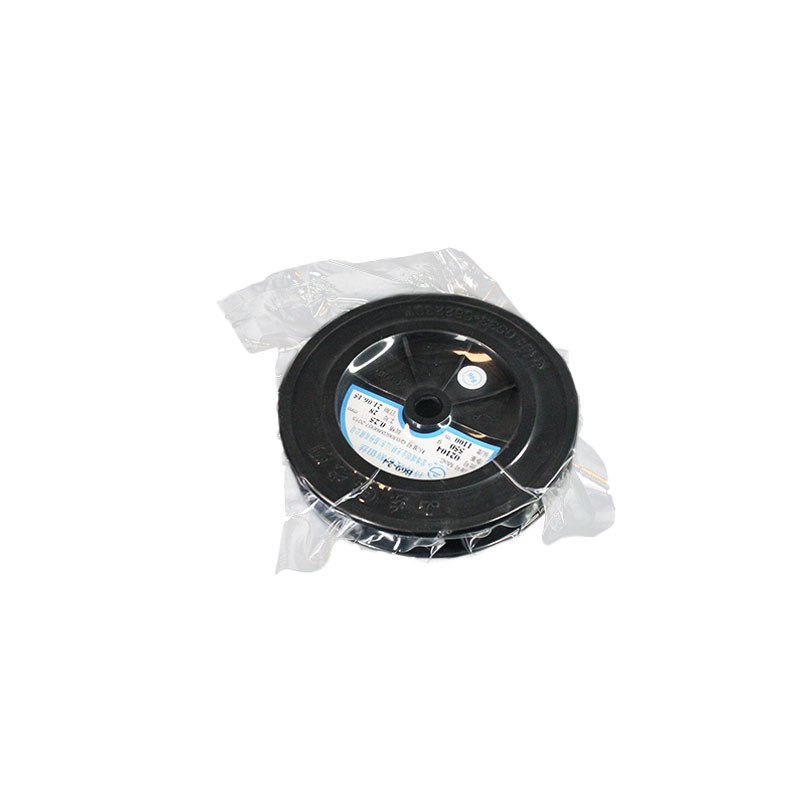
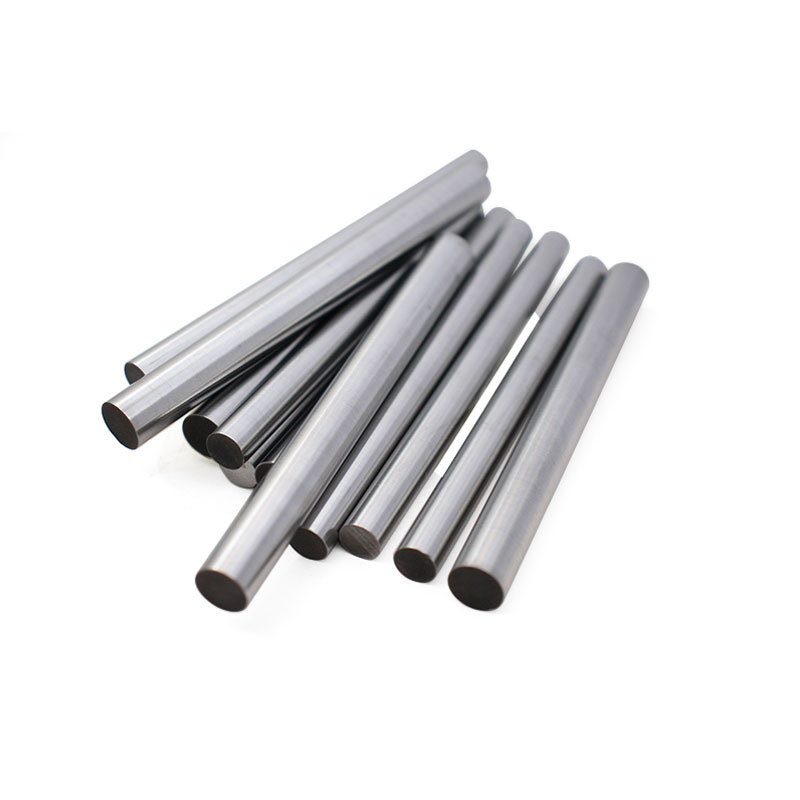
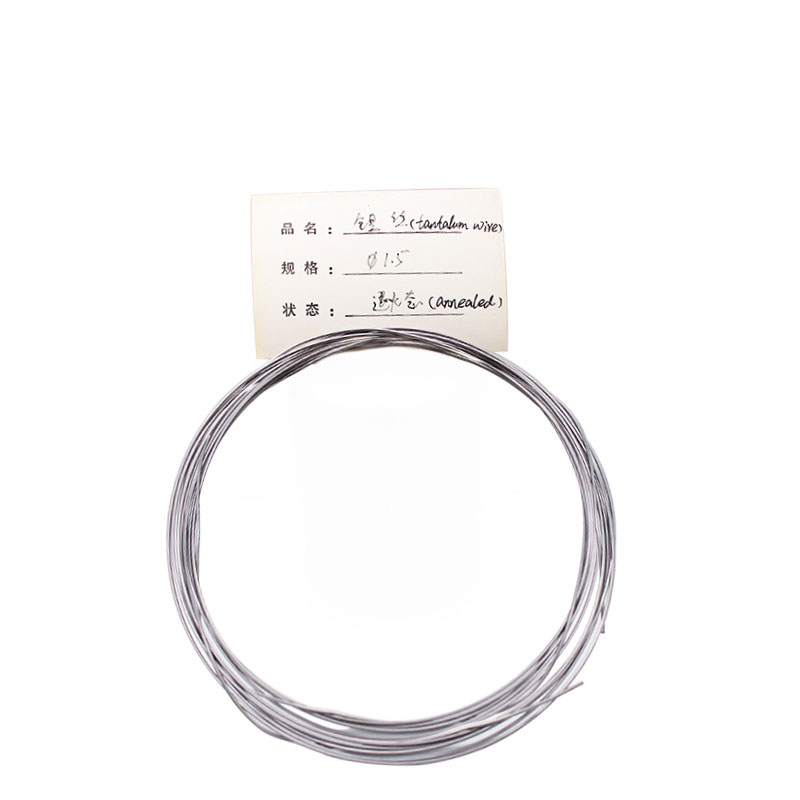
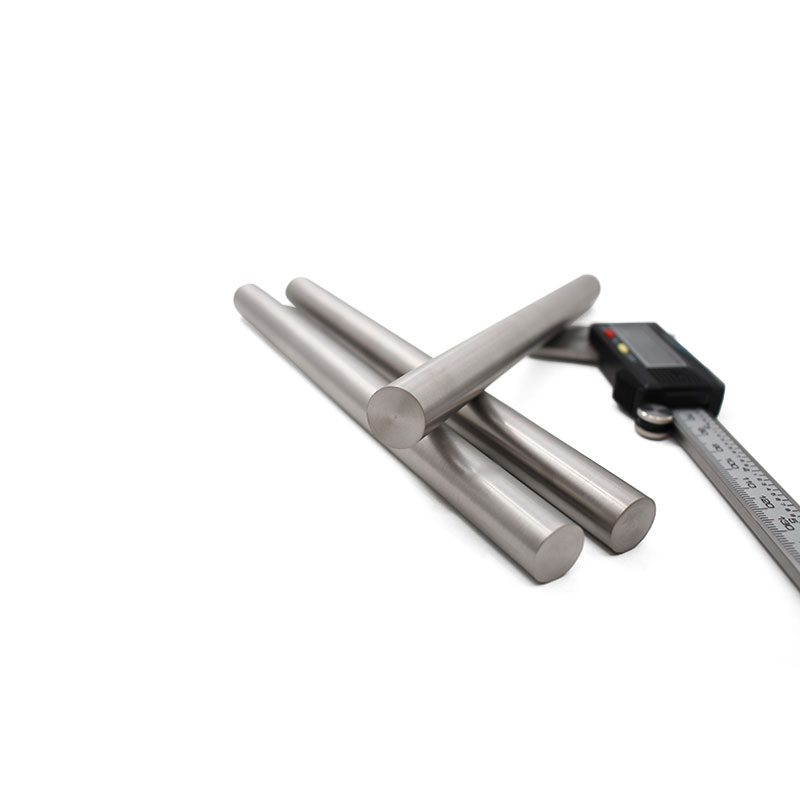
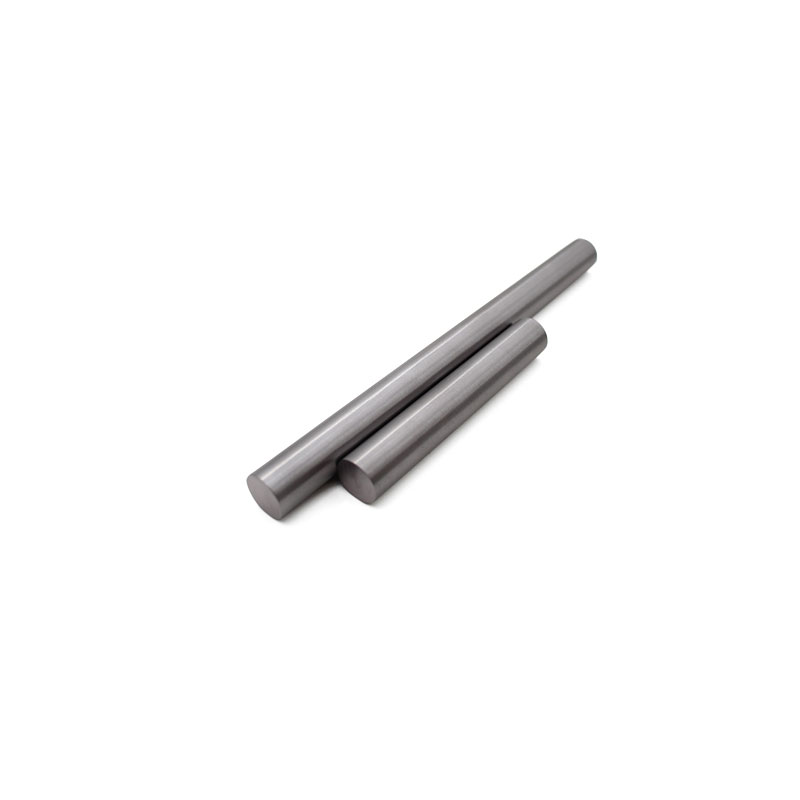
Explore our Pure Tungsten Wire, Tungsten Rod, and related refractory metal products.
W1 or W2 pure tungsten grades are typically best for most heating elements, especially in vacuum furnaces.
W1 offers higher purity for critical applications, while W2 provides optimized stability for continuous operation.
Potassium doping creates a fiber-reinforced structure that dramatically improves anti-sag and recrystallization resistance.
WAL1 is better for applications involving thermal cycling and anti-sag needs (like filaments), while pure grades excel in maximum temperature and purity requirements.
No. Different grades are engineered for specific conditions — using the wrong grade can compromise performance and increase costs.
Need help selecting the right tungsten wire grade for your project? Contact HSG Metal — your trusted pure tungsten wire China factory wholesale partner for high-quality W1, W2, WAL1, and WAL2 solutions.