Phone:
+86 18511675338

What are you looking for?
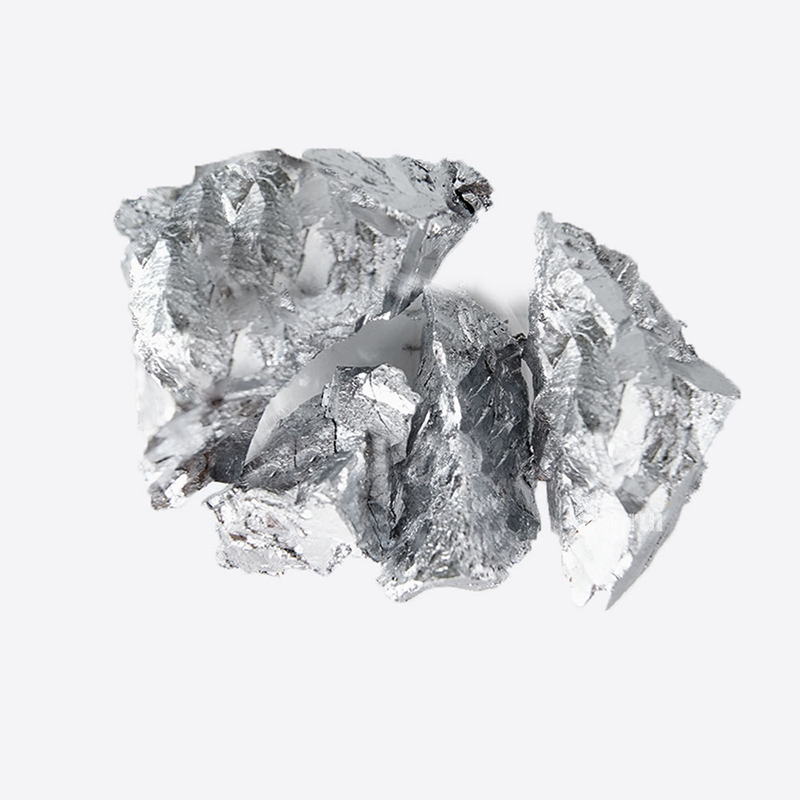 Pure Metals
Minor metals belong to a category of non-ferrous metals, because the relative units are relatively small, so they are called minor metals. The formation of the concept of small metals is mainly caused by the national protection policy for rare metals in recent years, and the emphasis on the strategic significance of small metals.
Pure Metals
Minor metals belong to a category of non-ferrous metals, because the relative units are relatively small, so they are called minor metals. The formation of the concept of small metals is mainly caused by the national protection policy for rare metals in recent years, and the emphasis on the strategic significance of small metals.
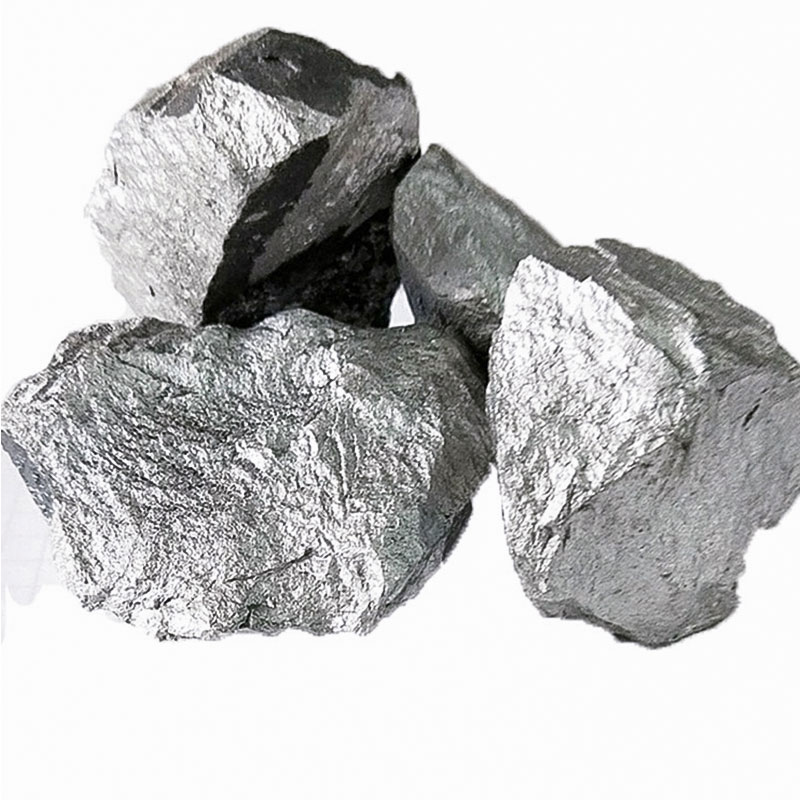 Ferro Molybdenum
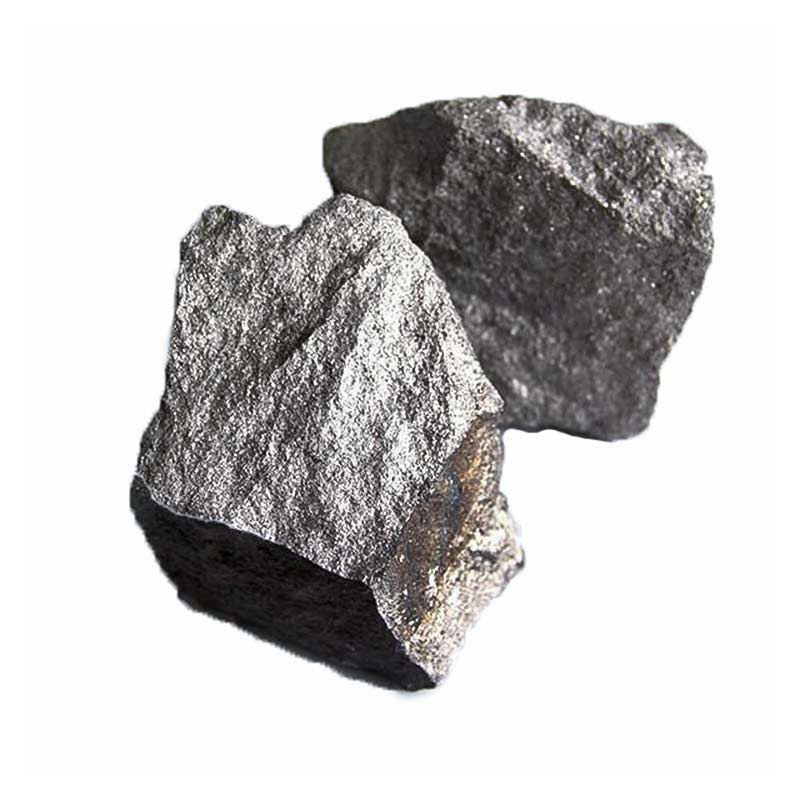
Ferro molybdenum is an alloy of molybdenum and iron. Its main use is as an additive of molybdenum in steel making. The addition of molybdenum to steel can make the steel have uniform fine microstructure, and improve the hardenability of steel, which is conducive to eliminating the tempering brittleness.
Ferro Molybdenum
Ferro molybdenum is an alloy of molybdenum and iron. Its main use is as an additive of molybdenum in steel making. The addition of molybdenum to steel can make the steel have uniform fine microstructure, and improve the hardenability of steel, which is conducive to eliminating the tempering brittleness.
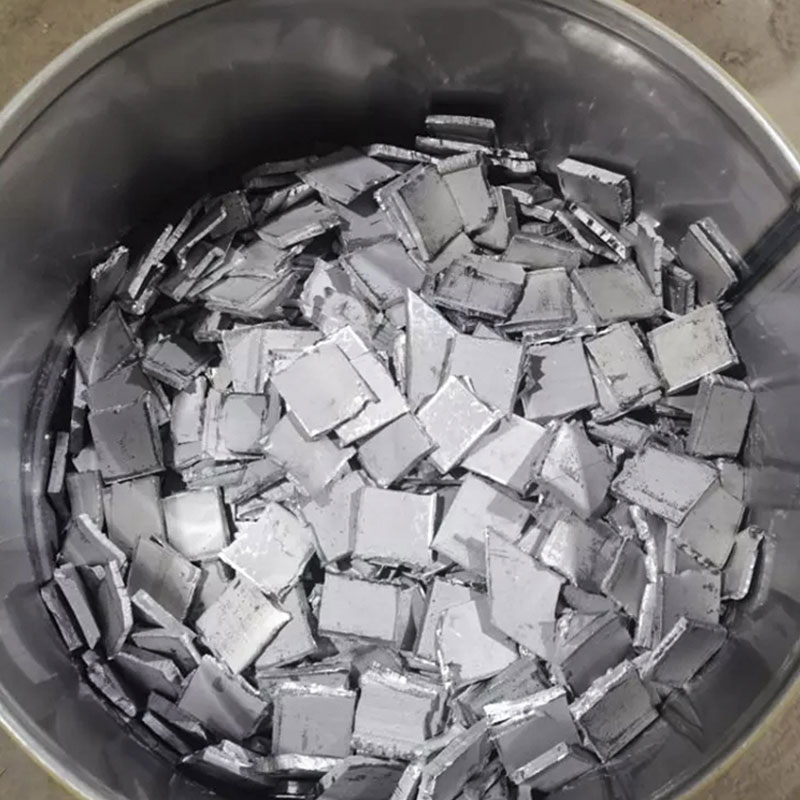 Cobalt Metal
Cobalt has two and three valence. It does not act with water at room temperature, but it is also stable in humid air. When heated to more than 300℃ in air, CoO is oxidized, and Co3O4 is burned in white heat. The fine metal cobalt powder made by hydrogen reduction can spontaneously ignite in air to produce cobalt oxide.
Cobalt Metal
Cobalt has two and three valence. It does not act with water at room temperature, but it is also stable in humid air. When heated to more than 300℃ in air, CoO is oxidized, and Co3O4 is burned in white heat. The fine metal cobalt powder made by hydrogen reduction can spontaneously ignite in air to produce cobalt oxide.
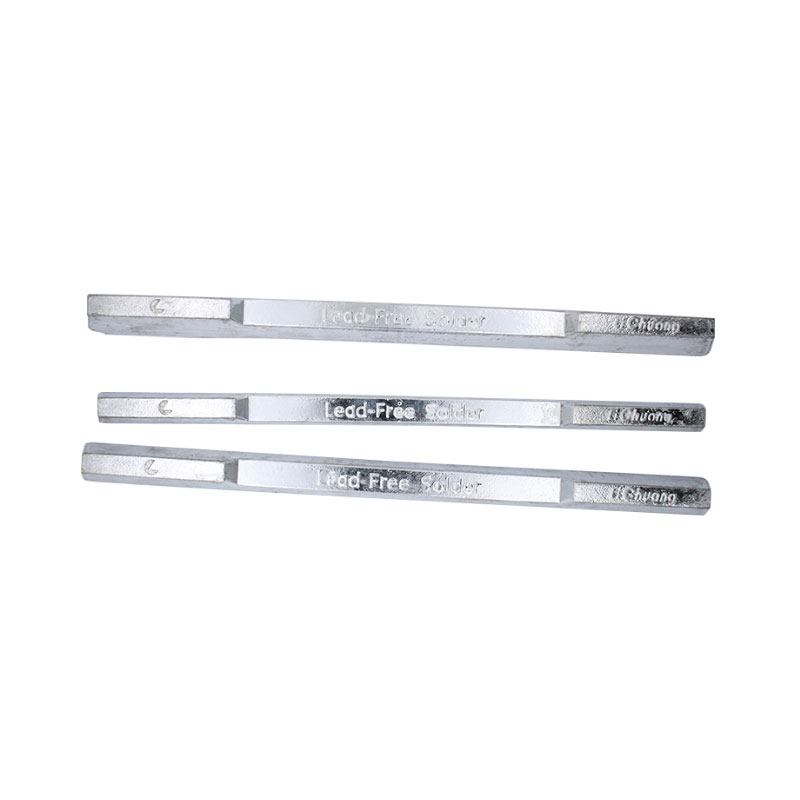 Tin Ingot
Carbide production process waste or return material. The following waste (return material) tungsten content from high to low: table fabric produced by the pressing process, ground fabric produced by the pulverizing and pressing process, and ditch material settled by the waste water pool.
Tin Ingot
Carbide production process waste or return material. The following waste (return material) tungsten content from high to low: table fabric produced by the pressing process, ground fabric produced by the pulverizing and pressing process, and ditch material settled by the waste water pool.
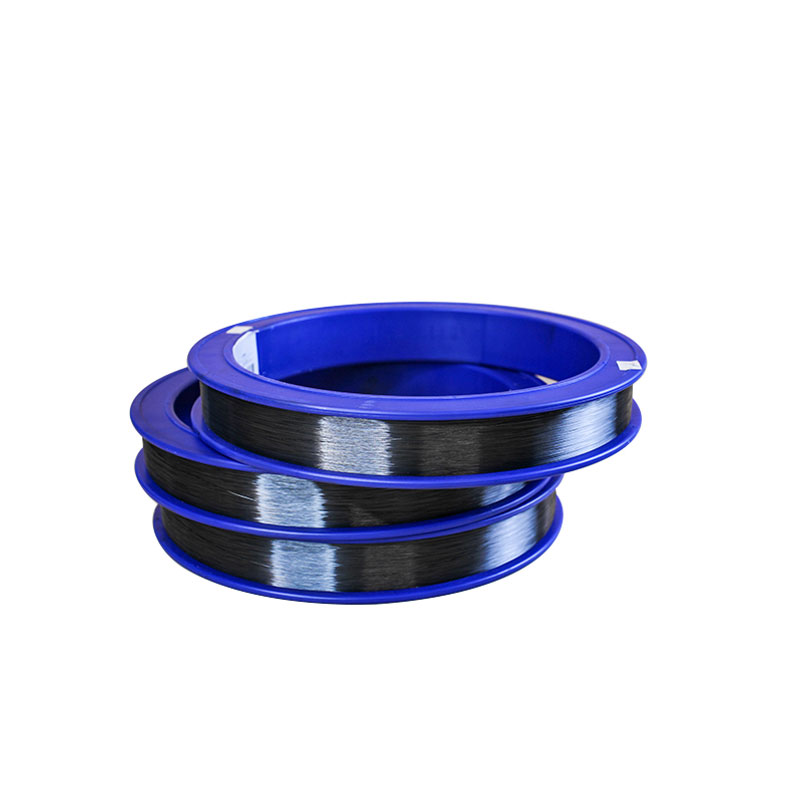 Tungsten Wire
The barrel and barrel made of tungsten steel can maintain good elasticity and mechanical strength even when the barrel body is rubbed hot by the projectile during continuous firing. In metal cutting machine tools, tungsten steel as a turning tool, temperature up to 1000℃ can still be hard.
Tungsten Wire
The barrel and barrel made of tungsten steel can maintain good elasticity and mechanical strength even when the barrel body is rubbed hot by the projectile during continuous firing. In metal cutting machine tools, tungsten steel as a turning tool, temperature up to 1000℃ can still be hard.
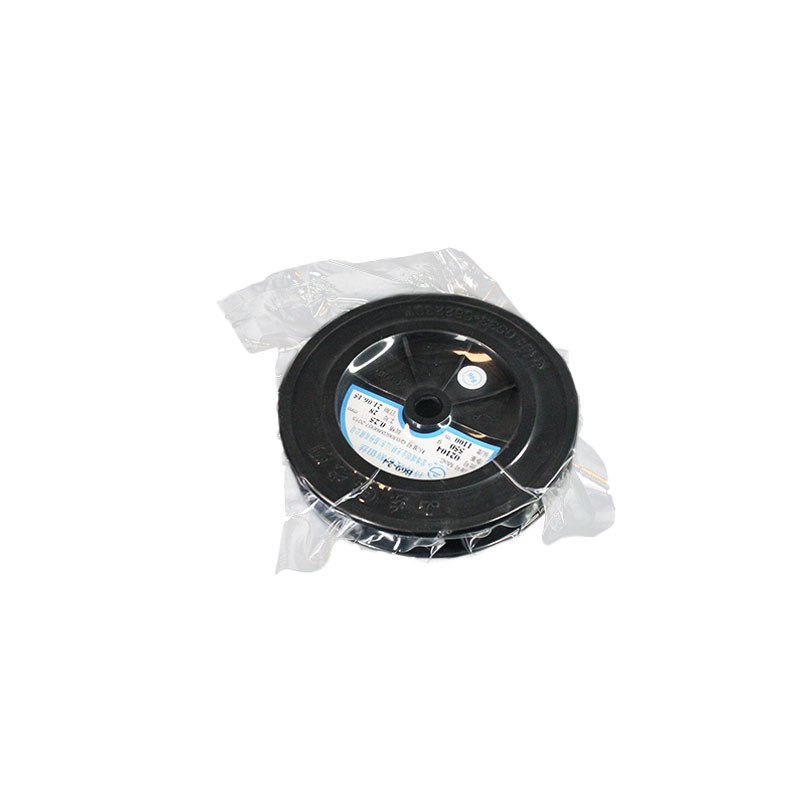 Molybdenum Wire
Molybdenum content in low alloy steel is not more than 1%, but the consumption of this aspect accounts for about 50% of the total molybdenum consumption. The addition of molybdenum to stainless steel can improve the corrosion resistance of steel.
Molybdenum Wire
Molybdenum content in low alloy steel is not more than 1%, but the consumption of this aspect accounts for about 50% of the total molybdenum consumption. The addition of molybdenum to stainless steel can improve the corrosion resistance of steel.
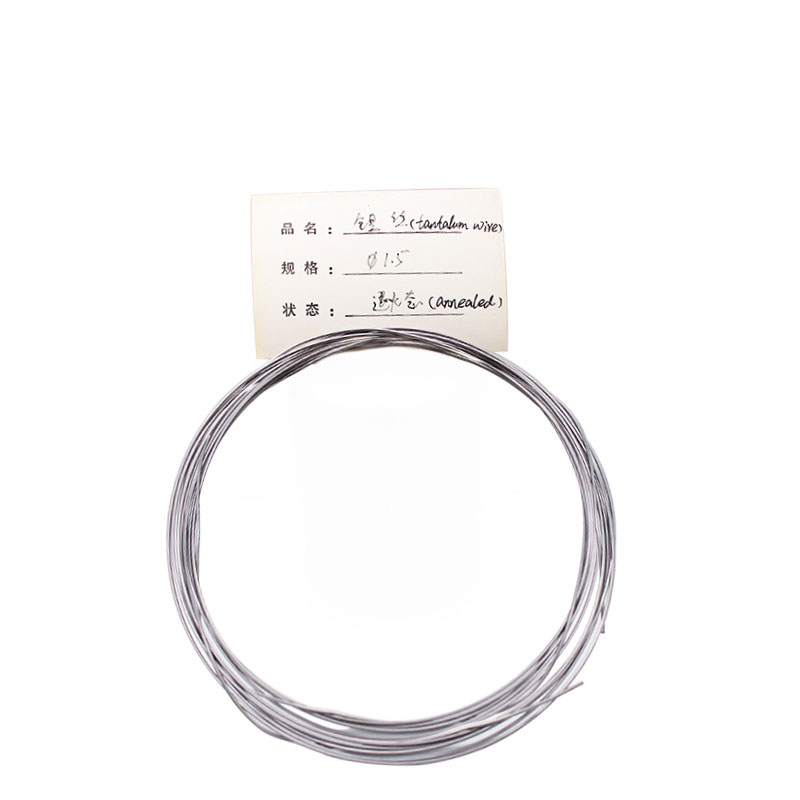 Tantalum Wire
 is a specialized wire made from tantalum, a rare, hard, blue-gray transition metal known for its high melting point, corrosion resistance, and excellent electrical and thermal conductivity. HSG Metal has high-purity Tantalum Wire for sale. Check out the details now!
Tantalum Wire
Tantalum Wire is a specialized wire made from tantalum, a rare, hard, blue-gray transition metal known for its high melting point, corrosion resistance, and excellent electrical and thermal conductivity. HSG Metal has high-purity Tantalum Wire for sale. Check out the details now!
 Niobium Wire
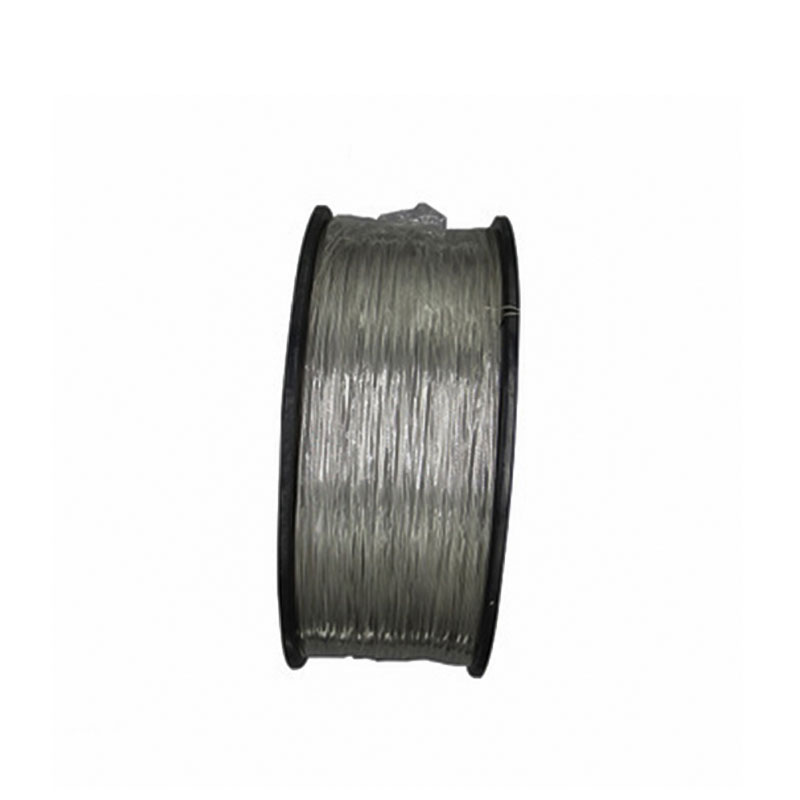
Pure niobium is used to remove residual gases in electron tubes. Adding niobium into steel can improve the oxidation resistance of steel at high temperature and improve the welding performance of steel. Niobium is also used in the manufacture of high temperature cermet.
Niobium Wire
Pure niobium is used to remove residual gases in electron tubes. Adding niobium into steel can improve the oxidation resistance of steel at high temperature and improve the welding performance of steel. Niobium is also used in the manufacture of high temperature cermet.
 Medical Devices
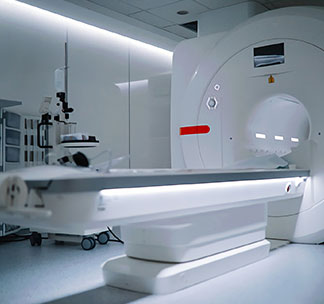
The medical industry needs to take many factors into consideration when selecting materials. After all, medical errors cost lives, and the wrong choice of material can have disastrous consequences.
Medical Devices
The medical industry needs to take many factors into consideration when selecting materials. After all, medical errors cost lives, and the wrong choice of material can have disastrous consequences.
 Ferro Molybdenum
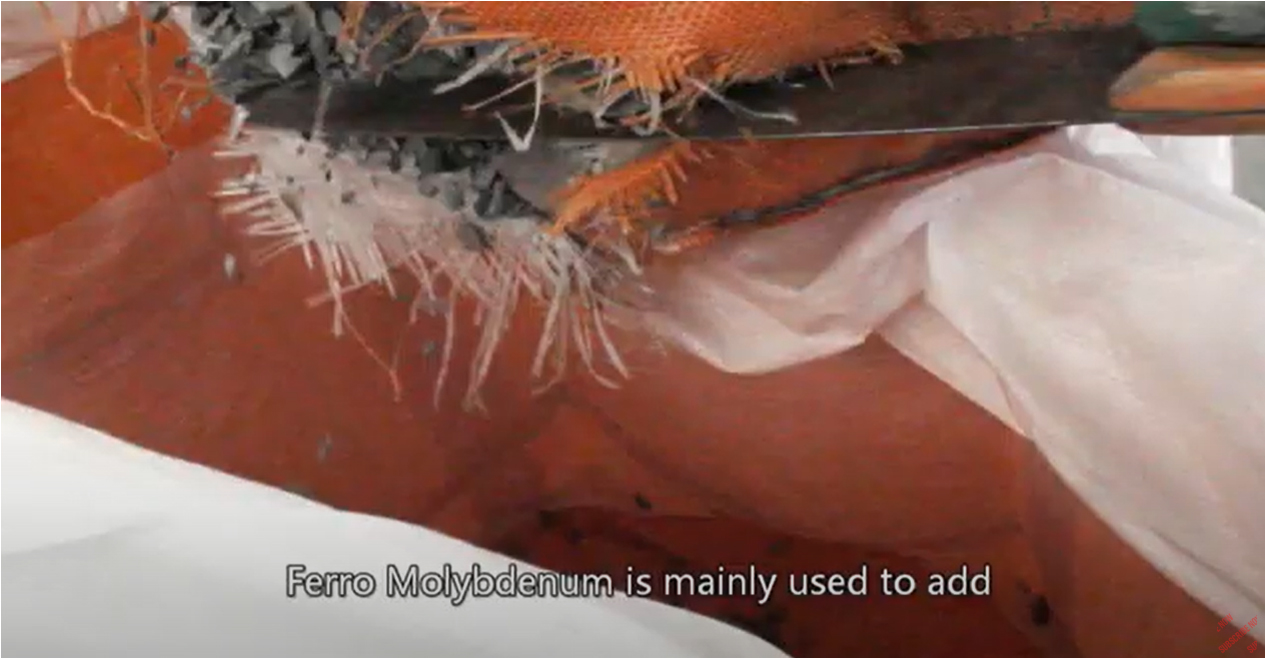
As a leading supplier of refractory metals, our company proudly offers a wide range of ferro molybdenum products to meet the needs of businesses and industries of all sizes. Ferro molybdenum is a vers...
Ferro Molybdenum
As a leading supplier of refractory metals, our company proudly offers a wide range of ferro molybdenum products to meet the needs of businesses and industries of all sizes. Ferro molybdenum is a vers...
 Ferro Vanadium
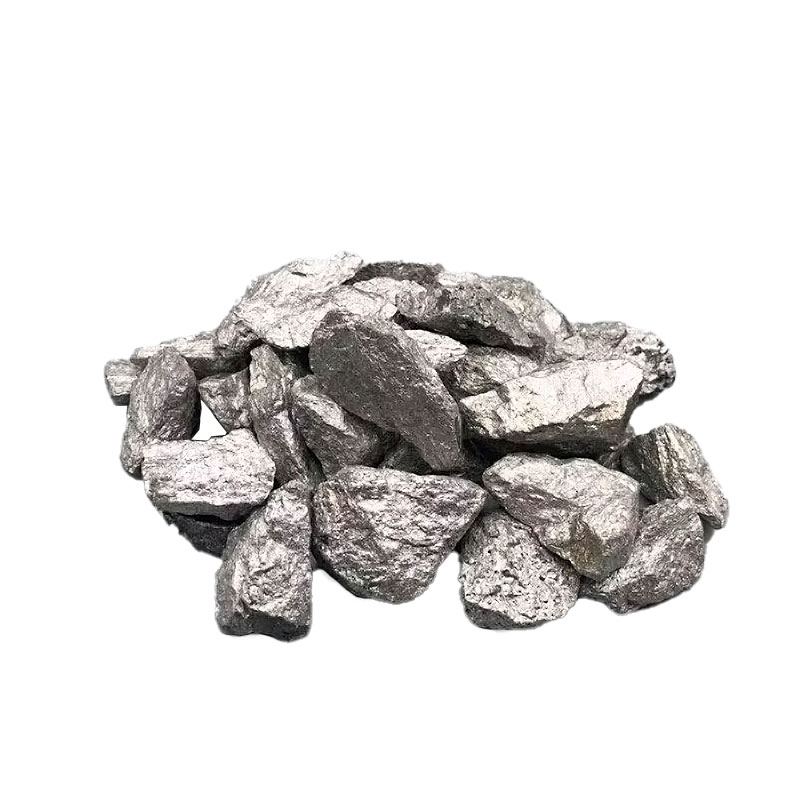
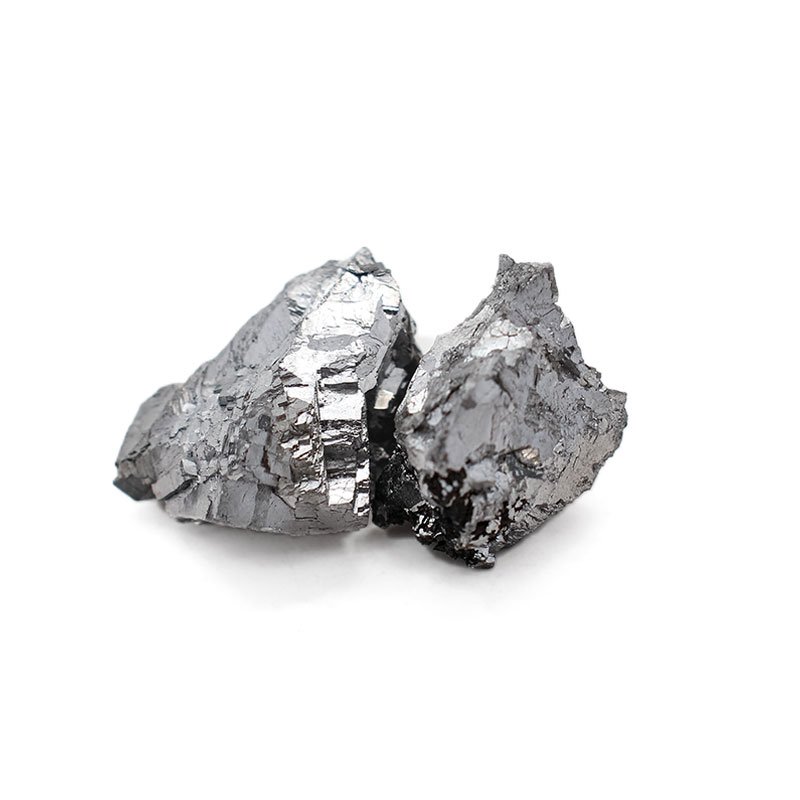
An iron alloy consisting of vanadium and iron, mainly used as an alloy additive in steelmaking. High vanadium and vanadium iron are also used as additives in non-ferrous alloys. The commonly used iron vanadium contains 40% vanadium, 60% vanadium and 80% of the three kinds.
Ferro Vanadium
An iron alloy consisting of vanadium and iron, mainly used as an alloy additive in steelmaking. High vanadium and vanadium iron are also used as additives in non-ferrous alloys. The commonly used iron vanadium contains 40% vanadium, 60% vanadium and 80% of the three kinds.
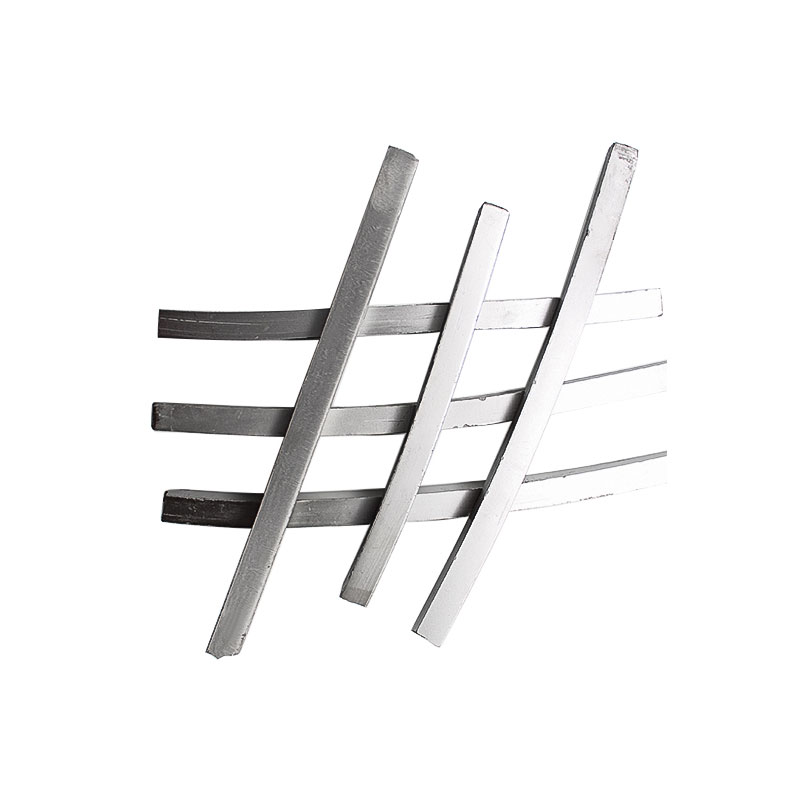 Tungsten Metal Bar
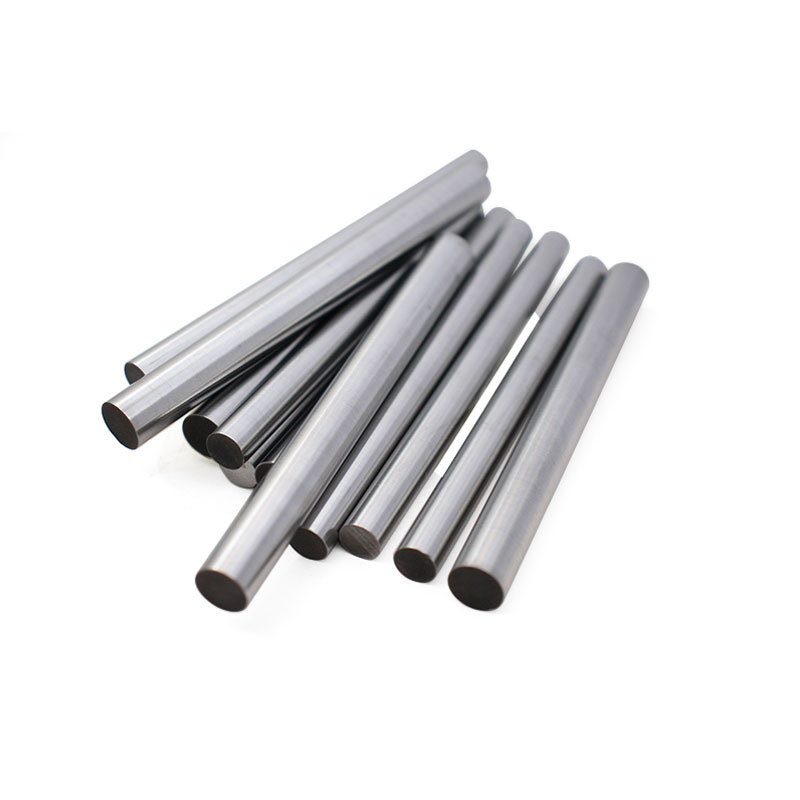
Pure tungsten is a hard metal from steel gray to tin white. Very pure tungsten can be cut open by a pull saw (pure tungsten is brittle and difficult to work). Tungsten is processed by forging, drawing and impact. Among all metals, tungsten has the highest melting point (3422°C), the lowest vapor pressure and the highest tensile strength (1650°C). Its anticorrosive properties are very good, and most inorganic acids have little erosion on it. In air it forms a protective layer of oxide on its surface, but at high temperatures it is completely oxidized. A small amount of tungsten can greatly increase the hardness of steel.
Tungsten Metal Bar
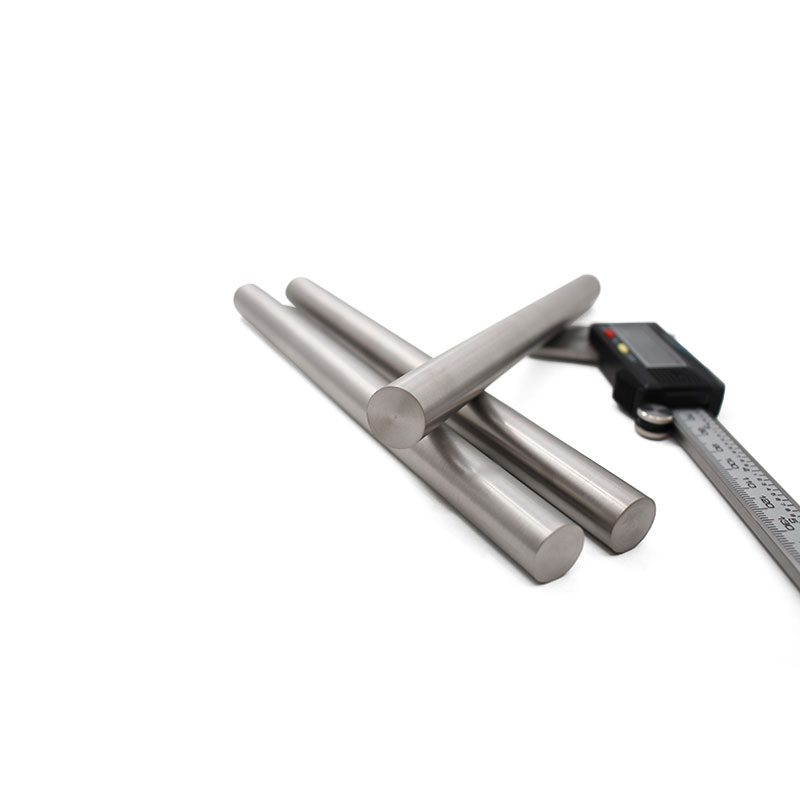
Pure tungsten is a hard metal from steel gray to tin white. Very pure tungsten can be cut open by a pull saw (pure tungsten is brittle and difficult to work). Tungsten is processed by forging, drawing and impact. Among all metals, tungsten has the highest melting point (3422°C), the lowest vapor pressure and the highest tensile strength (1650°C). Its anticorrosive properties are very good, and most inorganic acids have little erosion on it. In air it forms a protective layer of oxide on its surface, but at high temperatures it is completely oxidized. A small amount of tungsten can greatly increase the hardness of steel.
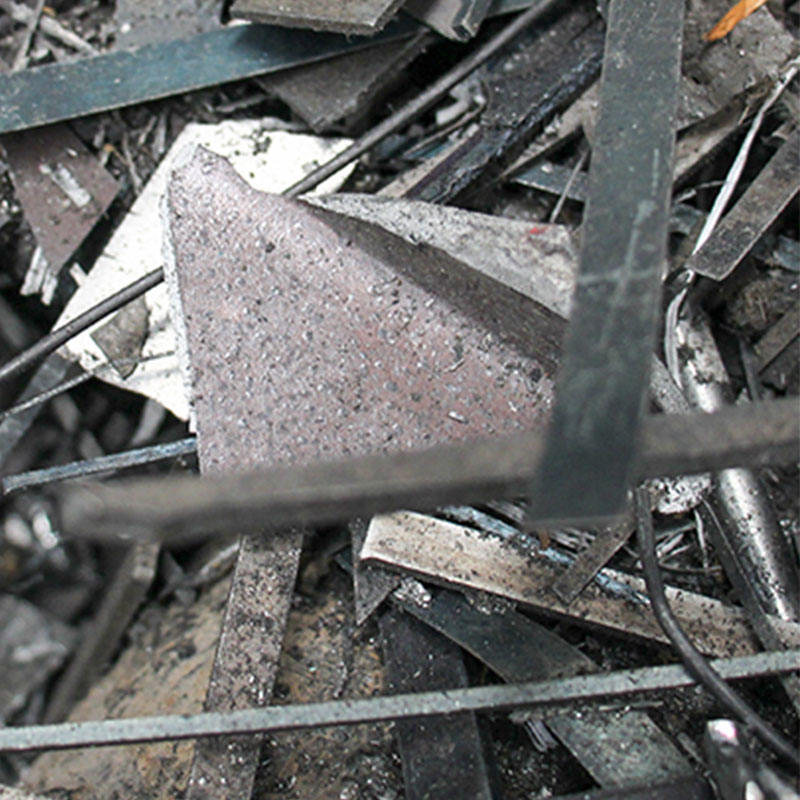 Molybdenum Scrap
Molybdenum scrap sources mainly have two aspects, one is the selecting of molybdenum mines waste; The second is produced in the manufacturing process of molybdenum electrolysis molybdenum scrap, including molybdenum containing waste catalyst, waste molybdenum compound, waste molybdenum powder, waste molybdenum material, waste molybdenum alloy, etc.
Molybdenum Scrap
Molybdenum scrap sources mainly have two aspects, one is the selecting of molybdenum mines waste; The second is produced in the manufacturing process of molybdenum electrolysis molybdenum scrap, including molybdenum containing waste catalyst, waste molybdenum compound, waste molybdenum powder, waste molybdenum material, waste molybdenum alloy, etc.