Phone:
+86 18511675338

What are you looking for?
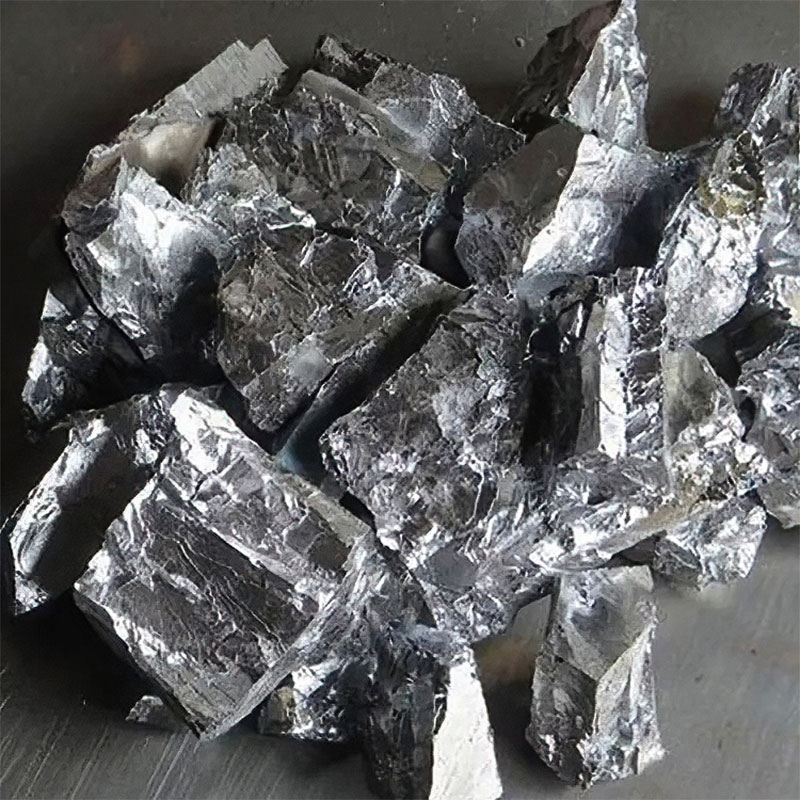
 Niobium Block
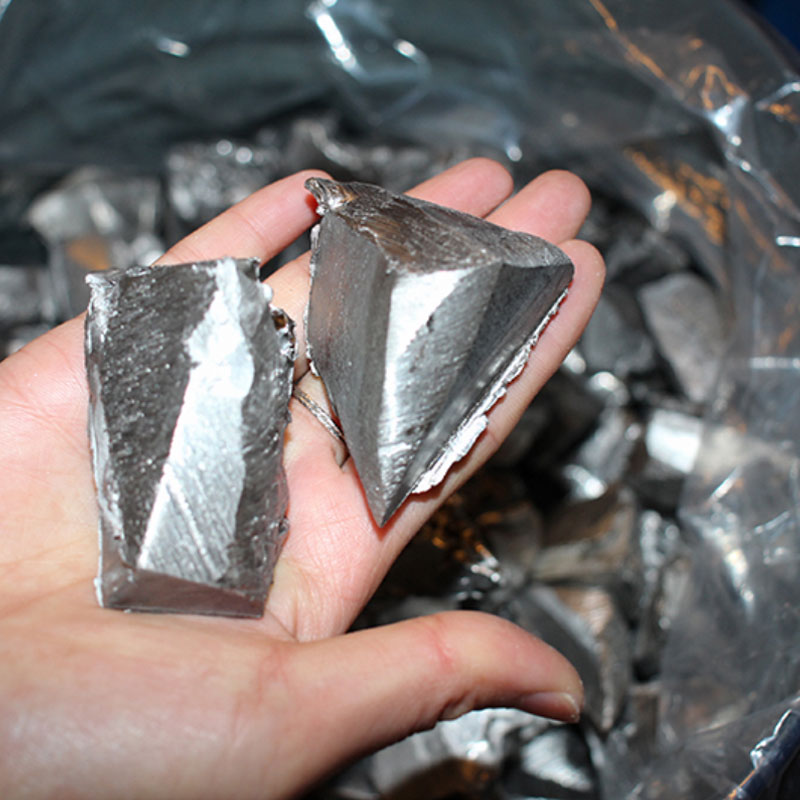
High temperature, refractory (processing) industry products, main uses: used as the production of niobium alloy, superconducting materials, superalloy additives, electronic bombardment niobium ingot raw materials, etc
Niobium Block
High temperature, refractory (processing) industry products, main uses: used as the production of niobium alloy, superconducting materials, superalloy additives, electronic bombardment niobium ingot raw materials, etc
 Tungsten Rod
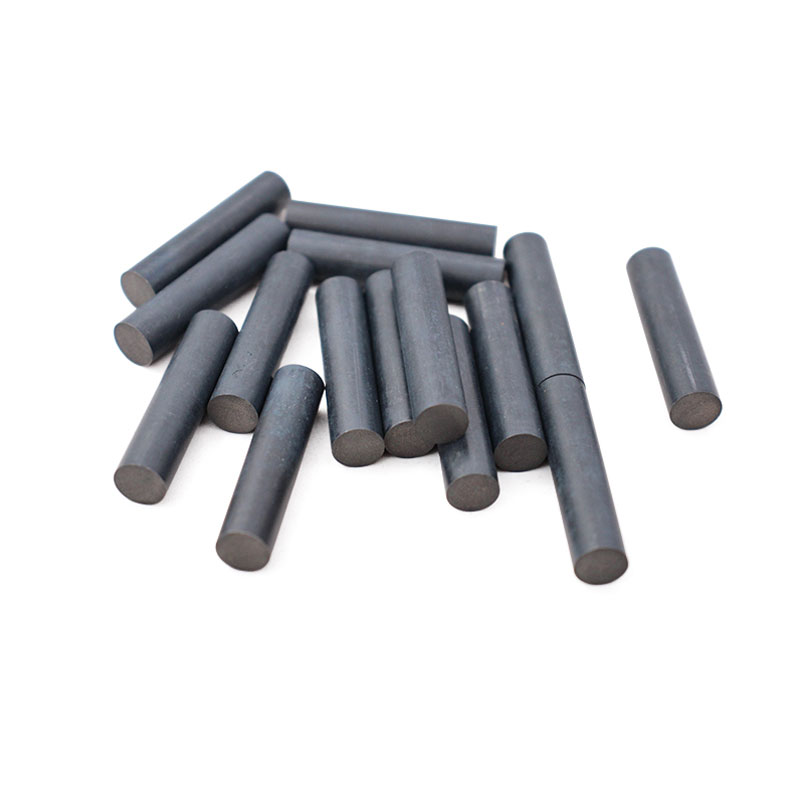
Spraying or surfacing stellite alloy steel containing 3% to 15% tungsten onto the surface of ordinary steel parts is equivalent to putting on hard 'armor' for parts, which can not only withstand temperature and pressure, but also resist corrosion, reduce wear and tear, and extend the service life by dozens of times.
Tungsten Rod
Spraying or surfacing stellite alloy steel containing 3% to 15% tungsten onto the surface of ordinary steel parts is equivalent to putting on hard 'armor' for parts, which can not only withstand temperature and pressure, but also resist corrosion, reduce wear and tear, and extend the service life by dozens of times.
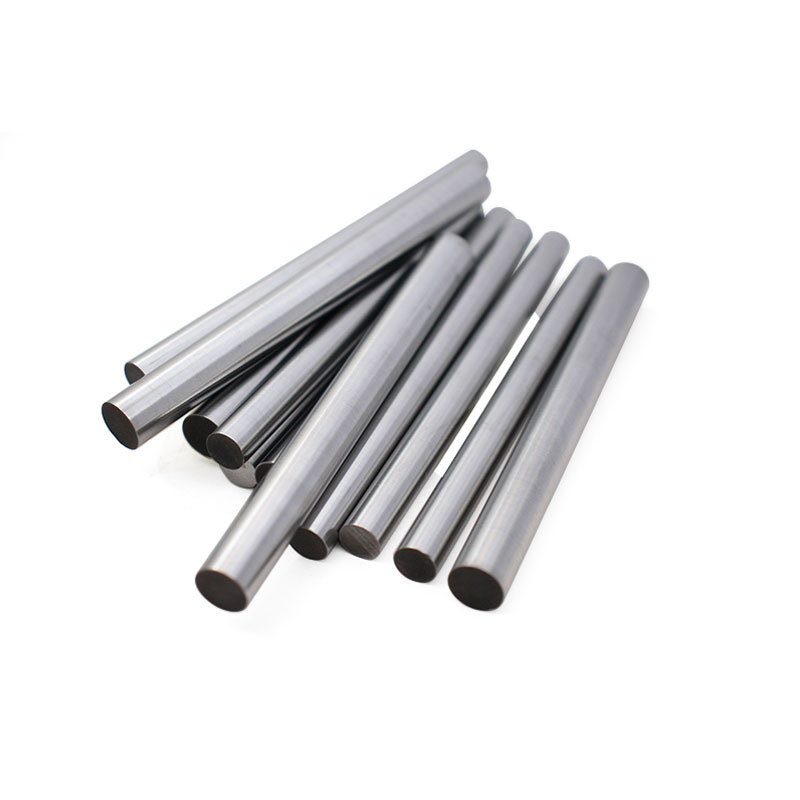 Molybdenum Rod
Adding molybdenum to cast iron can improve the strength and wear resistance of iron. The nickel-based superalloy containing 18% molybdenum has the characteristics of high melting point, low density and small thermal expansion coefficient. It is used to manufacture various high-temperature components in aviation and aerospace.
Molybdenum Rod
Adding molybdenum to cast iron can improve the strength and wear resistance of iron. The nickel-based superalloy containing 18% molybdenum has the characteristics of high melting point, low density and small thermal expansion coefficient. It is used to manufacture various high-temperature components in aviation and aerospace.
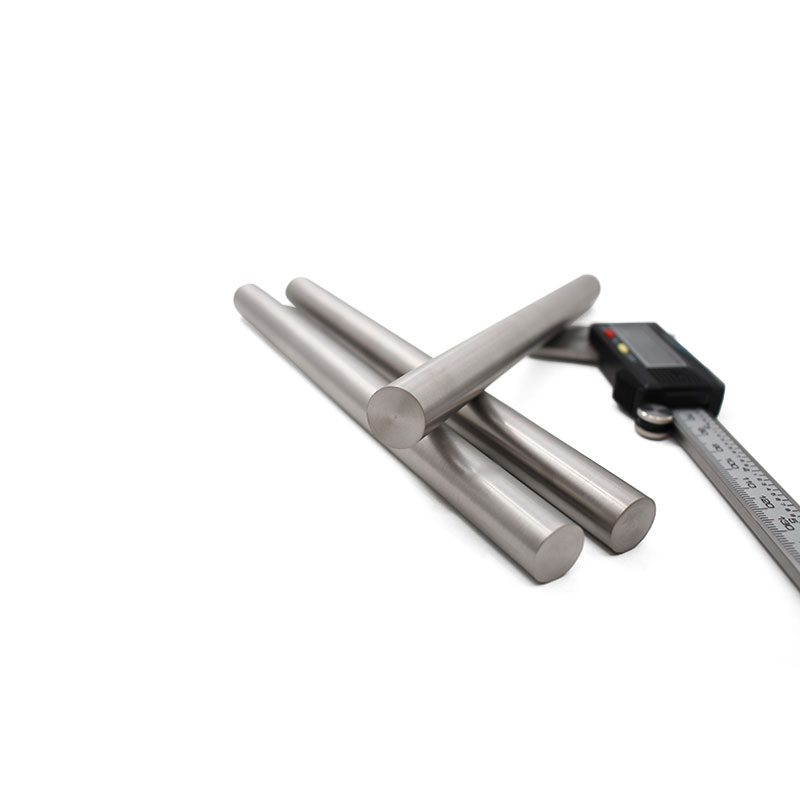 Tantalum Rod
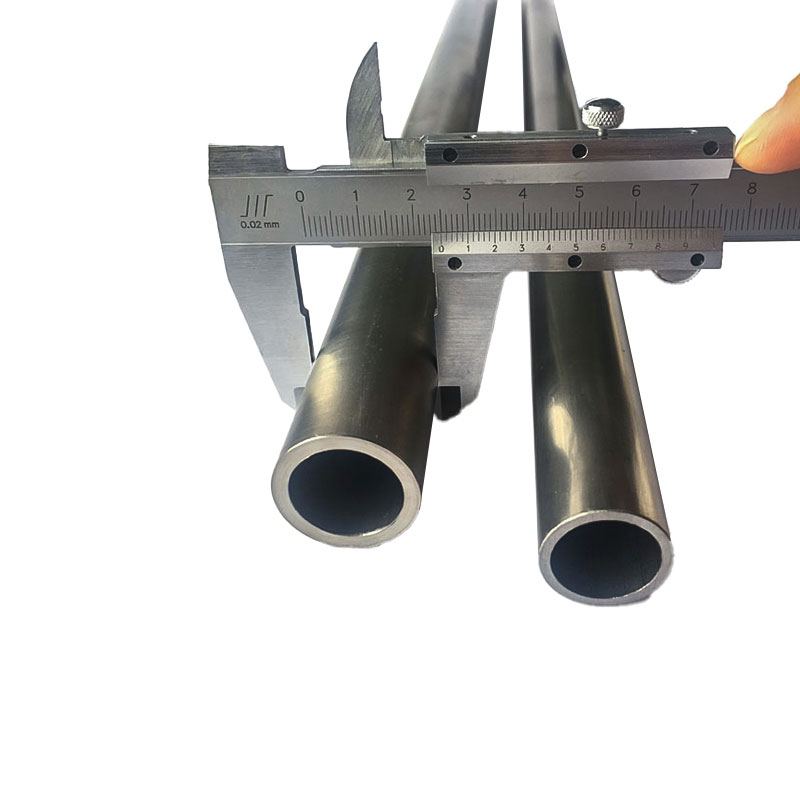
Tantalum rod is a solid, cylindrical piece made from high-purity tantalum metal, known for its exceptional resistance to corrosion, high melting point, and excellent mechanical properties. Tantalum rod is one of our hot-sale Tantalum products. HSG Metal supplies high-quality tantalum rods in various diameters. Check out the details now!
Tantalum Rod
Tantalum rod is a solid, cylindrical piece made from high-purity tantalum metal, known for its exceptional resistance to corrosion, high melting point, and excellent mechanical properties. Tantalum rod is one of our hot-sale Tantalum products. HSG Metal supplies high-quality tantalum rods in various diameters. Check out the details now!
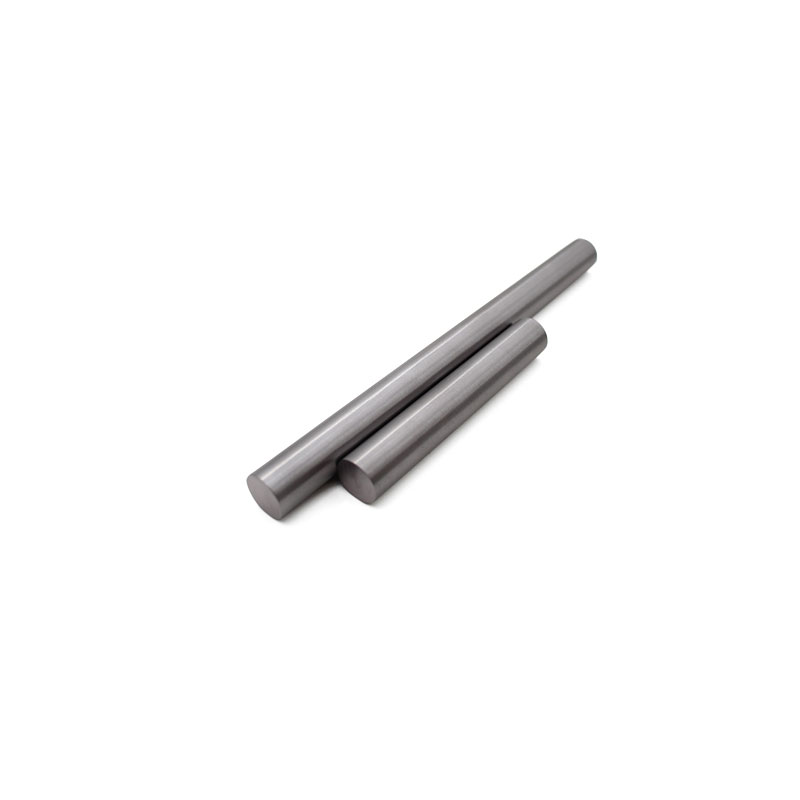 Niobium Rod
Niobium rods are used in a variety of industrial and technological applications due to its corrosion resistance, high melting point, and superconductivity.
Niobium Rod
Niobium rods are used in a variety of industrial and technological applications due to its corrosion resistance, high melting point, and superconductivity.
 Civil Aerospace
Structural airframe applications include wing structures, landing gear components, critical fasteners, springs, and hydraulic tubing. Tungsten, Molybdenum, Tantalum & Niobium supper alloys are selected in this application due to its basic characteristics; specifically its strength to weight ratio.
Civil Aerospace
Structural airframe applications include wing structures, landing gear components, critical fasteners, springs, and hydraulic tubing. Tungsten, Molybdenum, Tantalum & Niobium supper alloys are selected in this application due to its basic characteristics; specifically its strength to weight ratio.
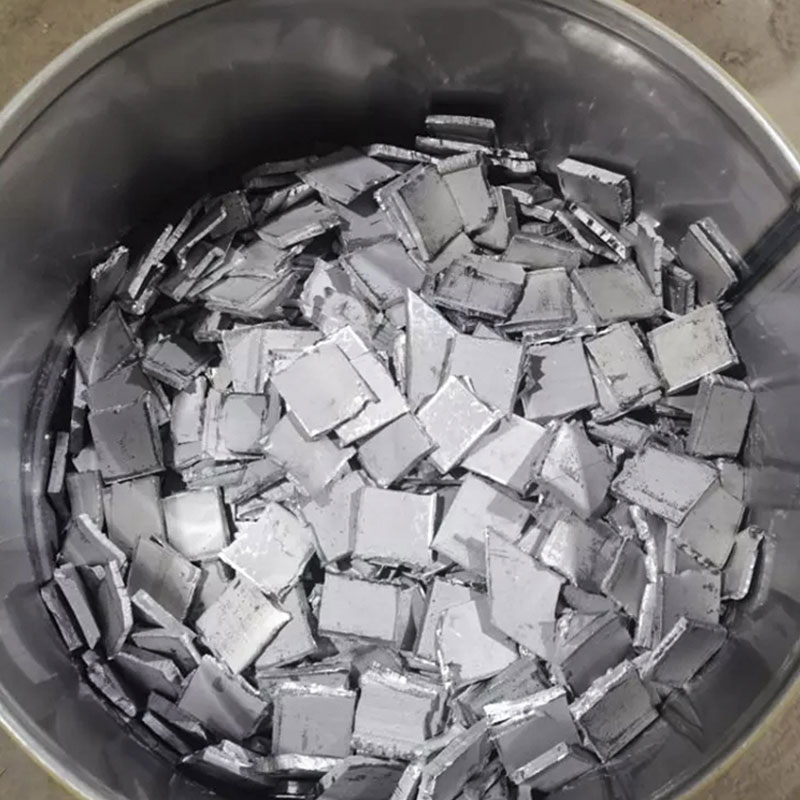
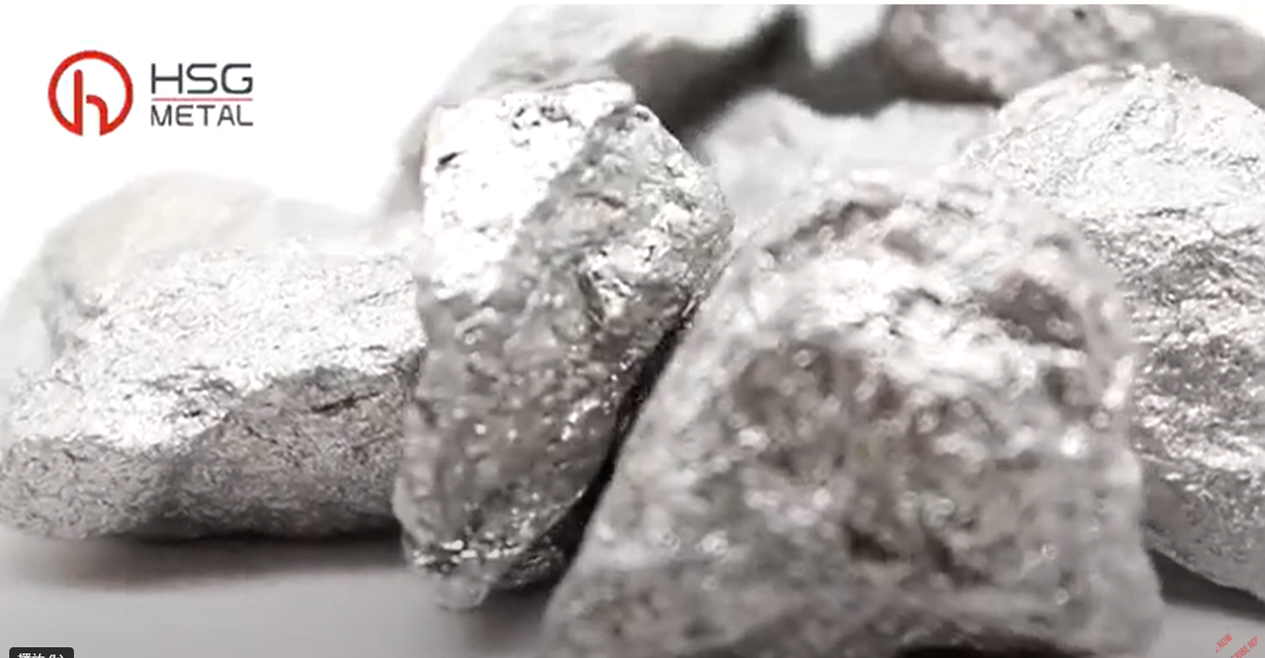 Ferro Niobium
Ferro niobium is a versatile alloy that offers a range of benefits, including increased strength, durability, and resistance to wear and corrosion. It is widely used in the manufacturing of high-stren...
Ferro Niobium
Ferro niobium is a versatile alloy that offers a range of benefits, including increased strength, durability, and resistance to wear and corrosion. It is widely used in the manufacturing of high-stren...
 Company
Specialized in Ferro Alloy, HSG is a leading supplier in the foundry and steel manufacturing.
Company
Specialized in Ferro Alloy, HSG is a leading supplier in the foundry and steel manufacturing.
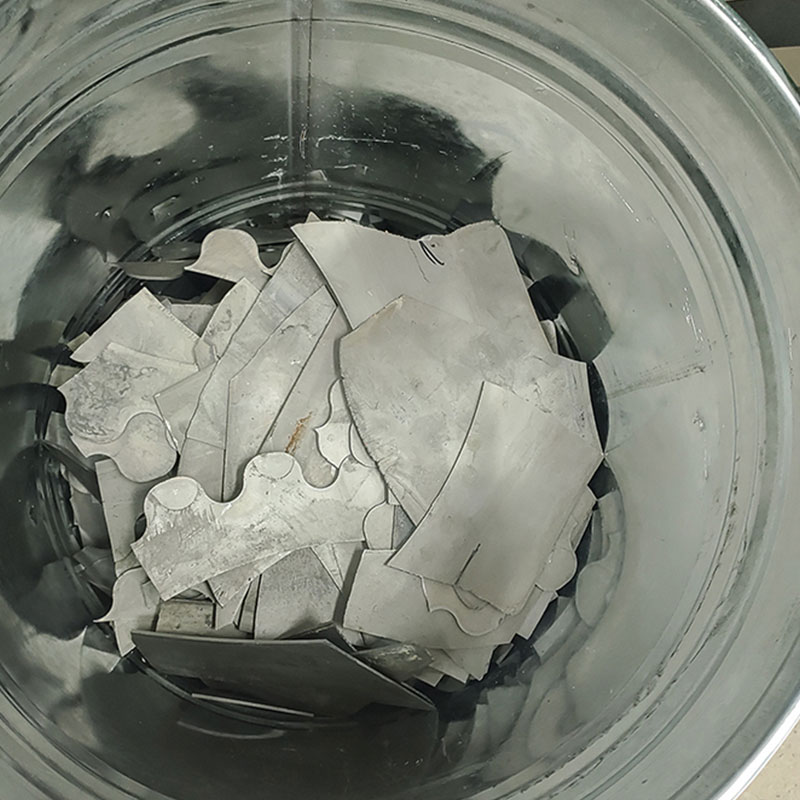
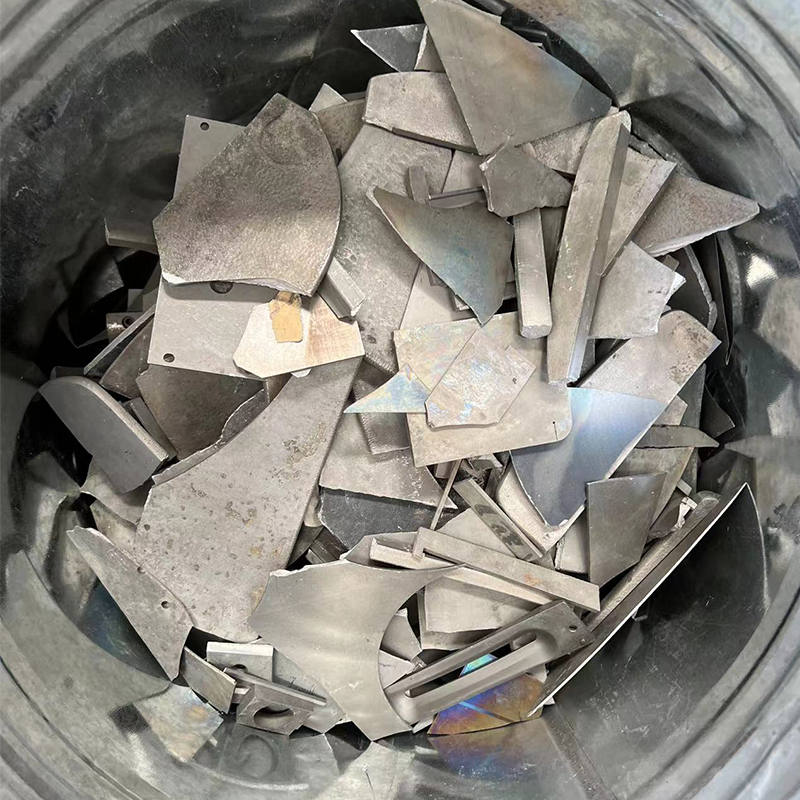 Metal Scrap
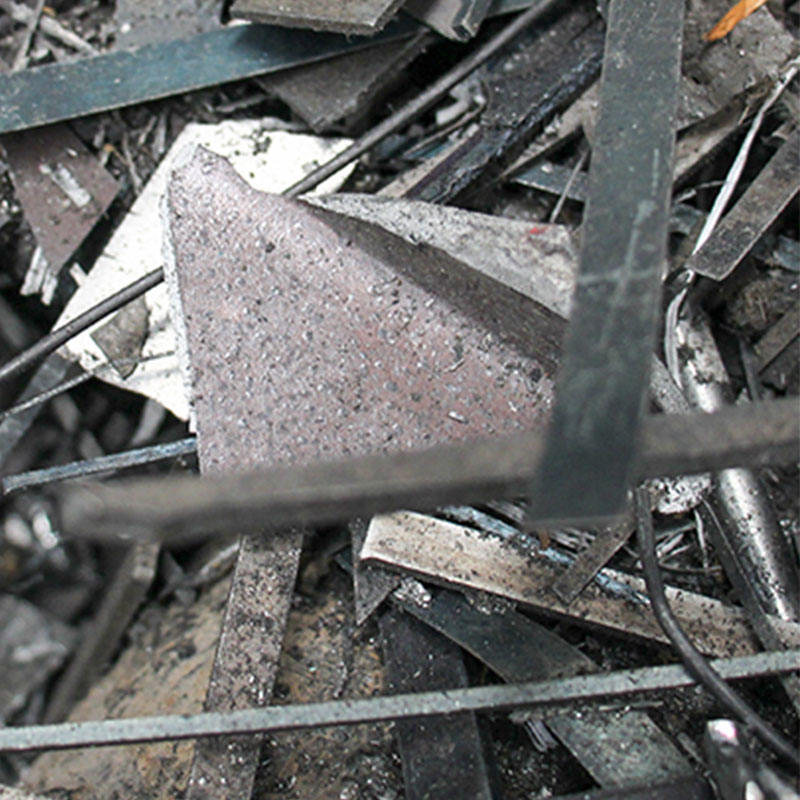
The most recycled refractory metal scrap is tungsten scrap and molybdenum scrap. Tungsten scrap mainly comes from recycling of secondary resources of tungsten, that is, the recycling of solid wastes and terminal consumer goods wastes in the process of tungsten production. The reuse field mainly focuses on alloy and sodium tungstate. Molybdenum scrap can be used to produce industrial molybdenum oxide, ferric molybdenum, ammonium molybdate and other molybdate salts, and etc.
Metal Scrap
The most recycled refractory metal scrap is tungsten scrap and molybdenum scrap. Tungsten scrap mainly comes from recycling of secondary resources of tungsten, that is, the recycling of solid wastes and terminal consumer goods wastes in the process of tungsten production. The reuse field mainly focuses on alloy and sodium tungstate. Molybdenum scrap can be used to produce industrial molybdenum oxide, ferric molybdenum, ammonium molybdate and other molybdate salts, and etc.
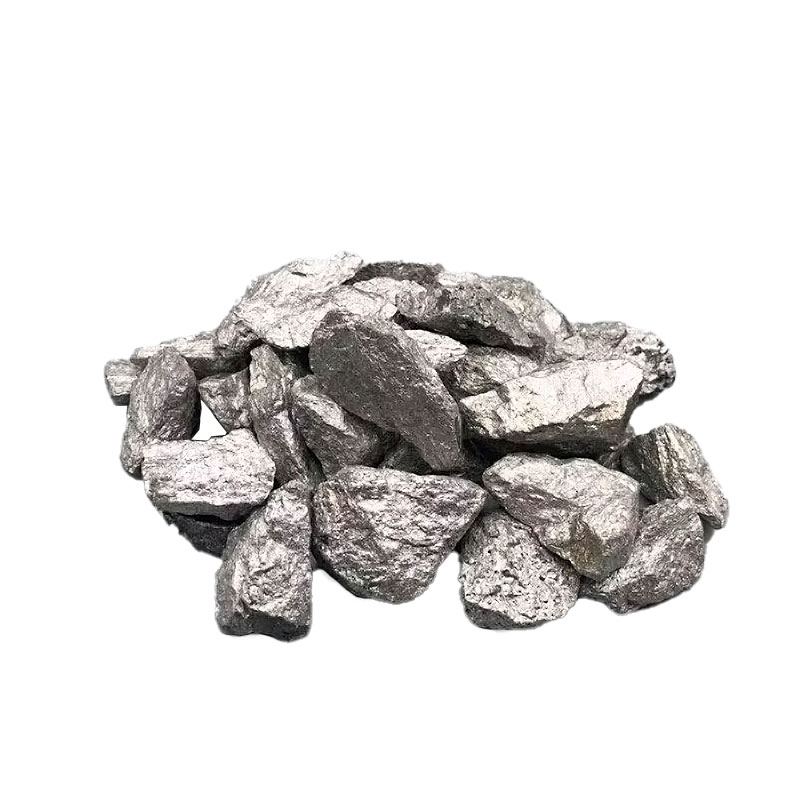 Ferro Niobium
Niobium is a malleable metal, gray, with a body-centered cubic structure, and its density is: 8.57 g/cm. Niobium and iron form the compound Fe3Nb2, which dissolves in large amounts of iron. The melting temperature of ferroniobium is close to 1600 degrees (1570-1650 degrees).Used for alloy steel smelting, alloying element additives and stainless steel electrode coating, etc.
Ferro Niobium
Niobium is a malleable metal, gray, with a body-centered cubic structure, and its density is: 8.57 g/cm. Niobium and iron form the compound Fe3Nb2, which dissolves in large amounts of iron. The melting temperature of ferroniobium is close to 1600 degrees (1570-1650 degrees).Used for alloy steel smelting, alloying element additives and stainless steel electrode coating, etc.
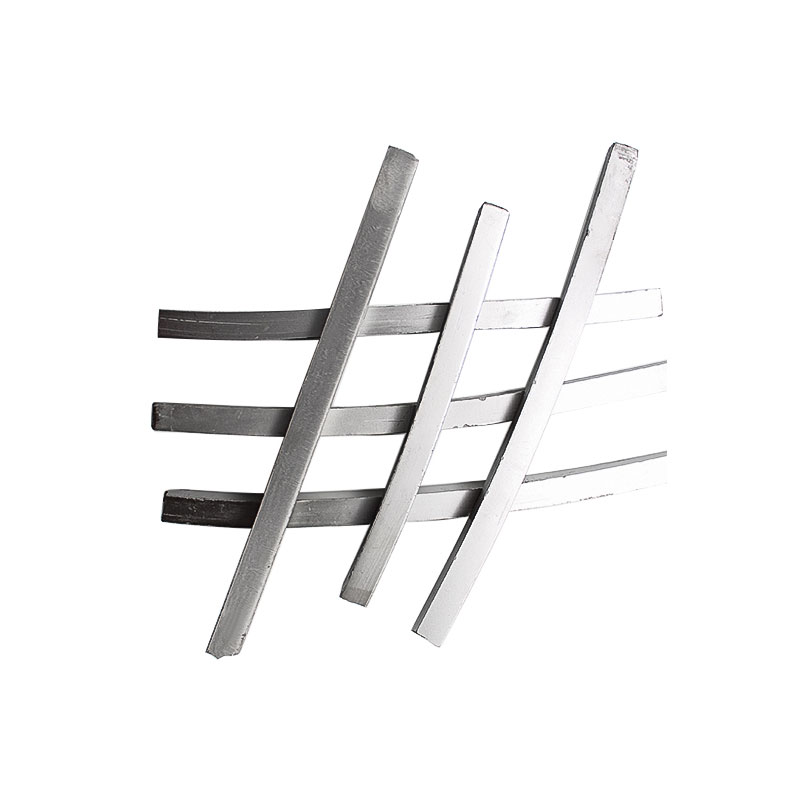
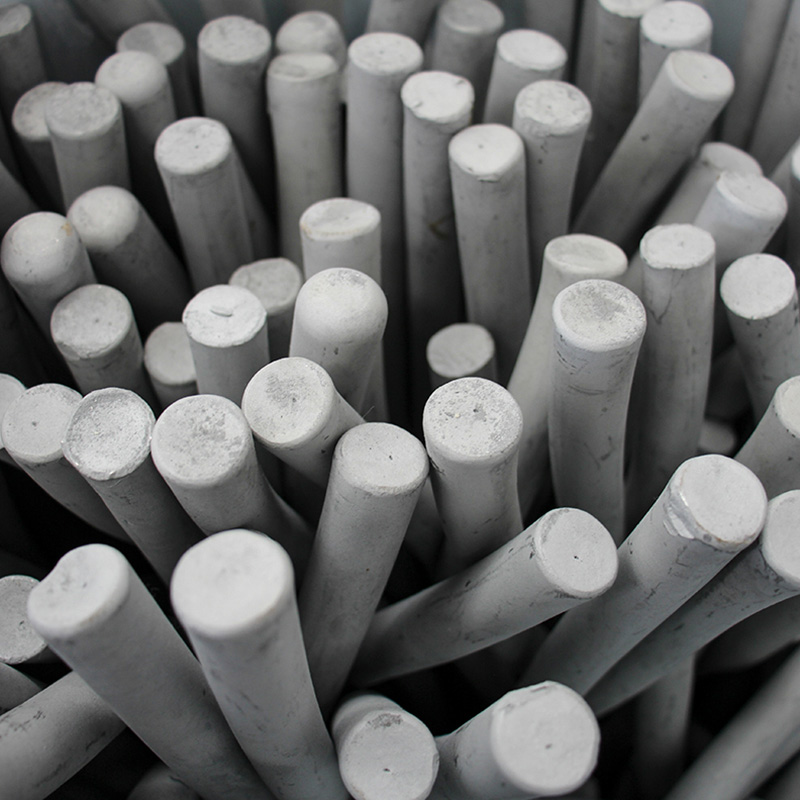 Molybdenum Metal Bar
Sintered molybdenum bar by electron beam melting and zone melting system degrees in the density of more than 99.99% (4n) process of molybdenum or molybdenum sheet is tasted. With electron beam melting method first refining molybdenum bar, molybdenum bar in the smelting process of gas and solid impurities due to evaporation, evaporation under high temperature and high molybdenum to obtain higher purity, structure compact set of ingot, and then further purified by the zone melting method, electron beam melting molybdenum ingots, said impurities under high temperature and high molybdenum evaporation and driving role to improve the purity of molybdenum again region, obtain high pure molybdenum or single Item.
Molybdenum Metal Bar
Sintered molybdenum bar by electron beam melting and zone melting system degrees in the density of more than 99.99% (4n) process of molybdenum or molybdenum sheet is tasted. With electron beam melting method first refining molybdenum bar, molybdenum bar in the smelting process of gas and solid impurities due to evaporation, evaporation under high temperature and high molybdenum to obtain higher purity, structure compact set of ingot, and then further purified by the zone melting method, electron beam melting molybdenum ingots, said impurities under high temperature and high molybdenum evaporation and driving role to improve the purity of molybdenum again region, obtain high pure molybdenum or single Item.
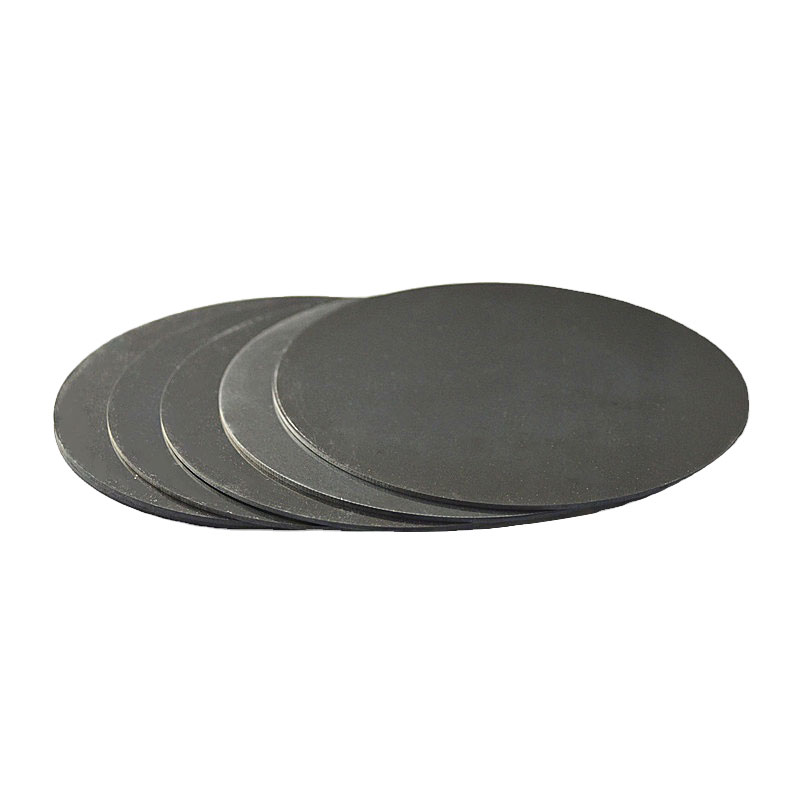 Tungsten Sheet
Due to the excellent characteristics and broad uses of tungsten steel, 90% of the tungsten produced in the world every year is used to make tungsten steel.
Tungsten Sheet
Due to the excellent characteristics and broad uses of tungsten steel, 90% of the tungsten produced in the world every year is used to make tungsten steel.
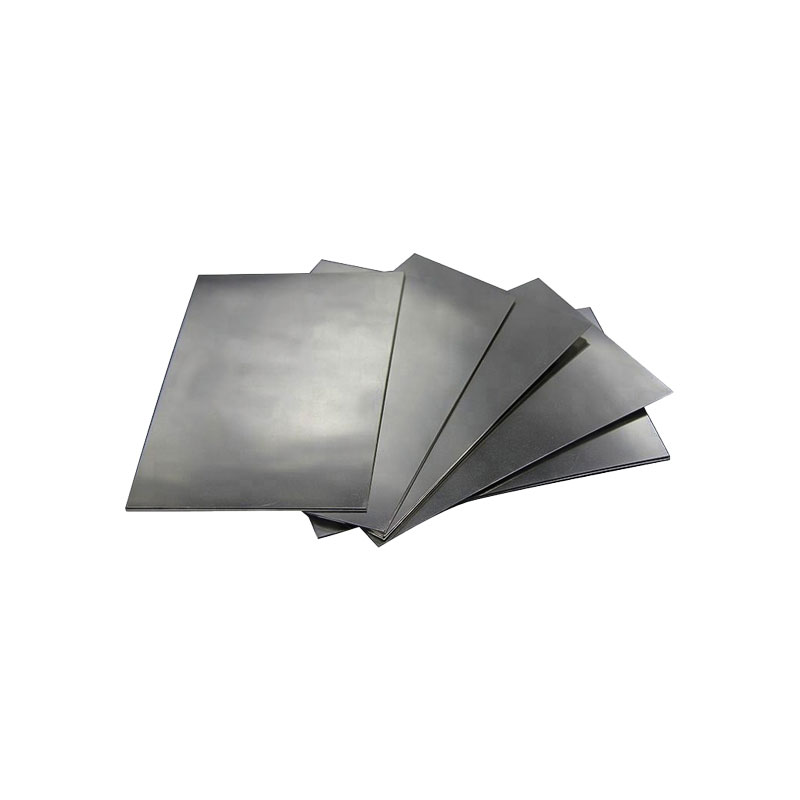 Molybdenum Sheet
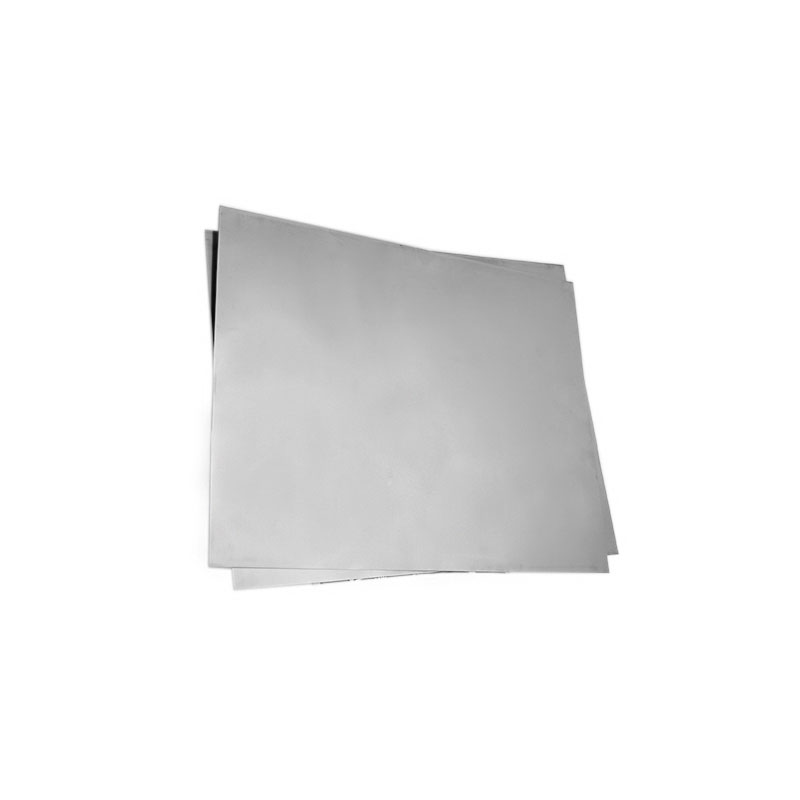
Molybdenum is widely used in electronic devices such as electron tubes, transistors and rectifiers.
Molybdenum Sheet
Molybdenum is widely used in electronic devices such as electron tubes, transistors and rectifiers.