

Phone:
+86 15010632687
Popular Refractory Metals

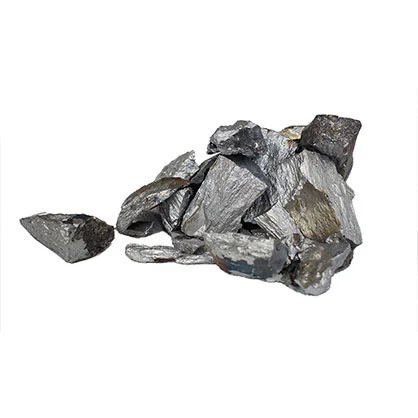
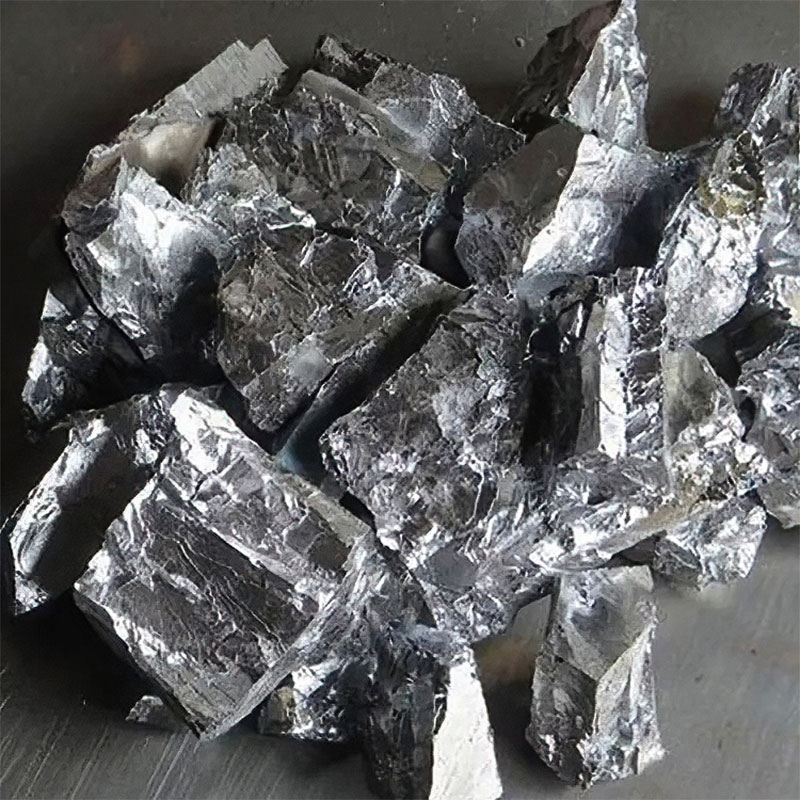
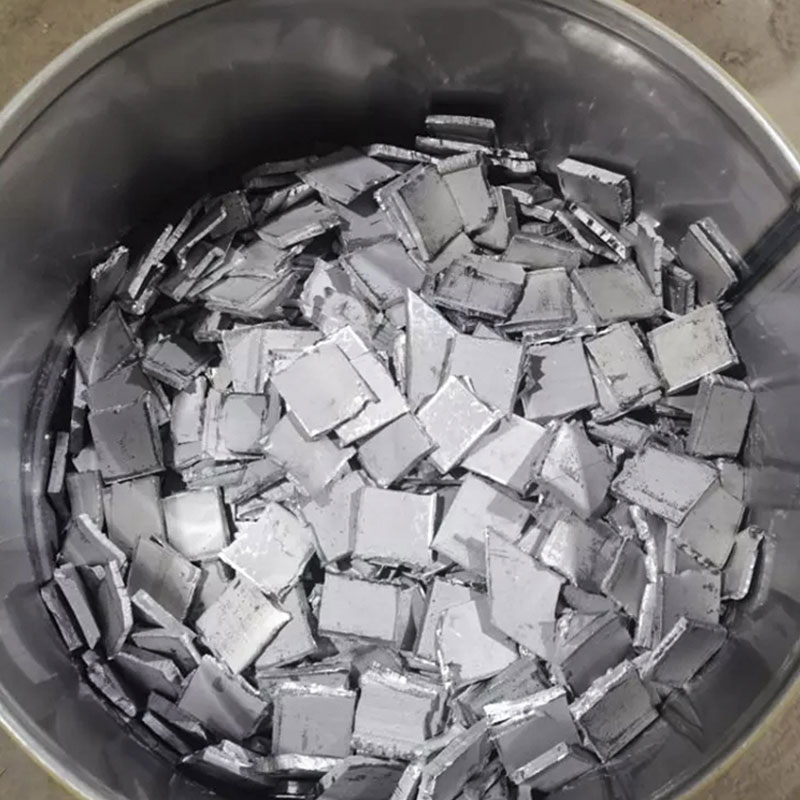
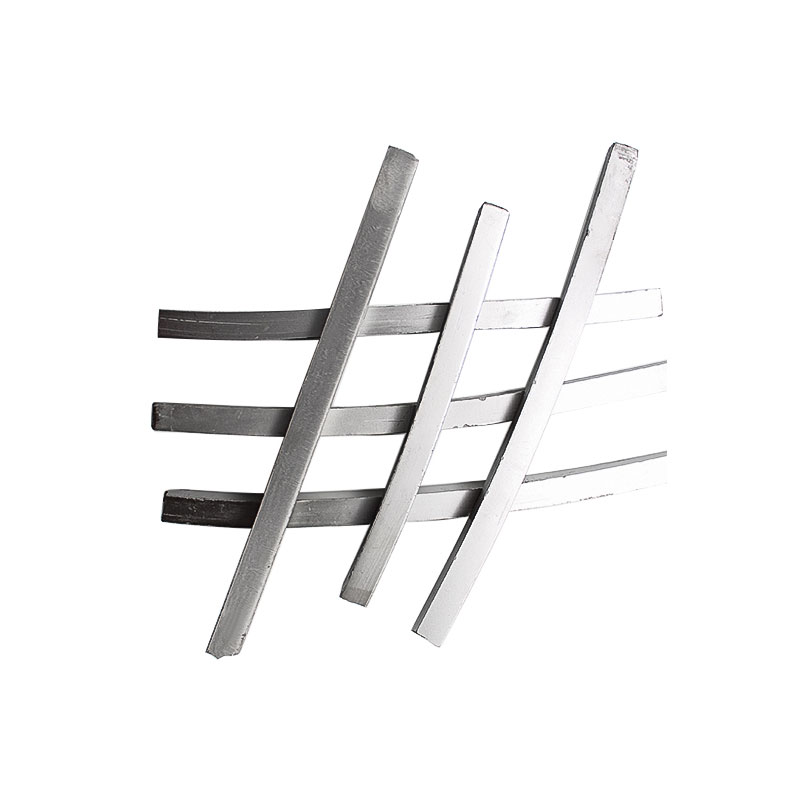
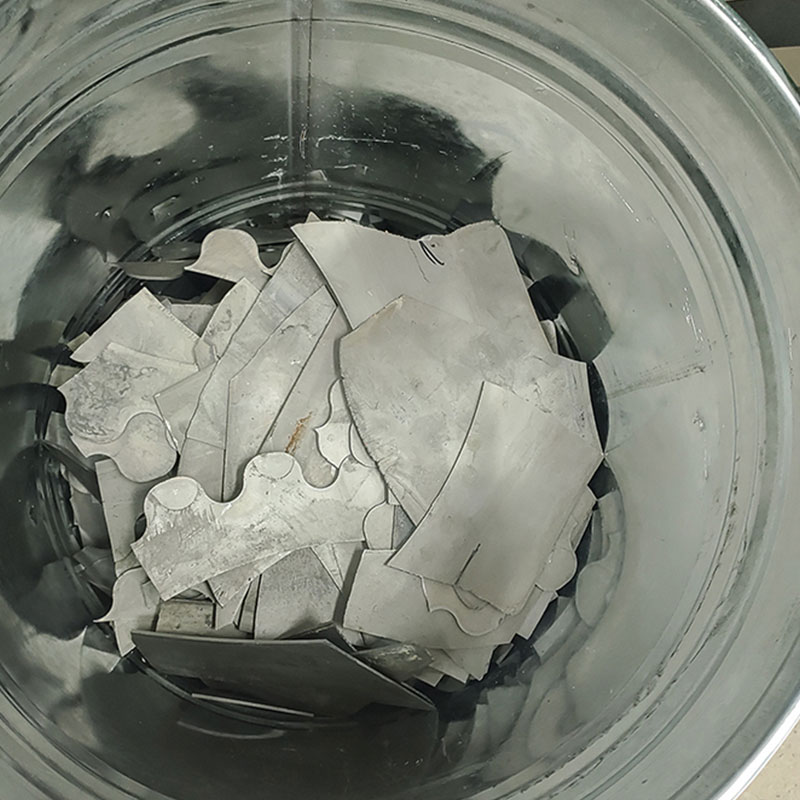
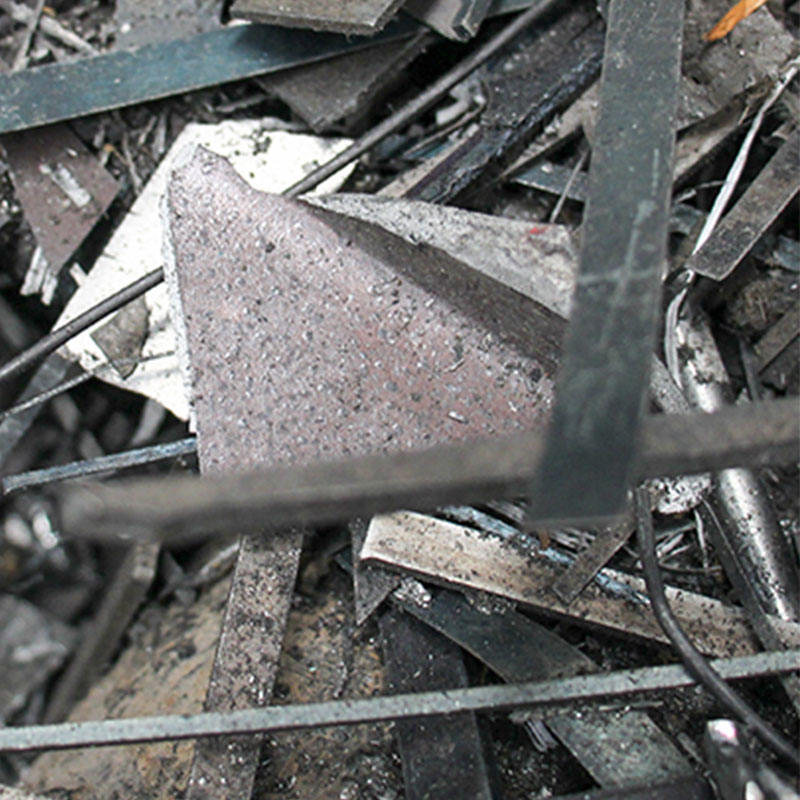
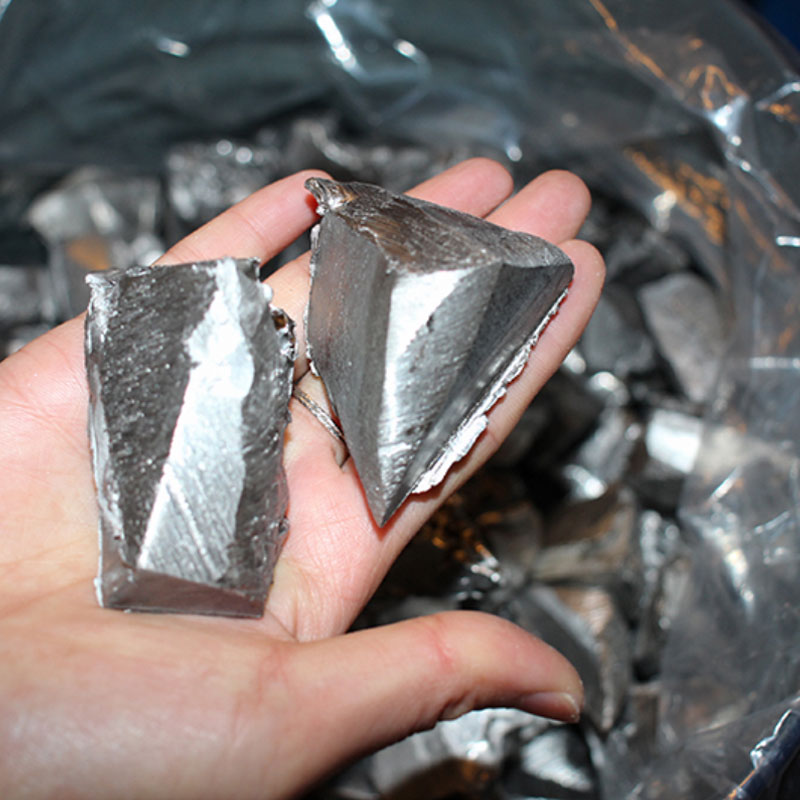
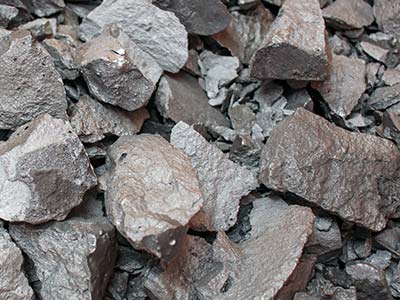
In the dynamic world of industrial innovation, where sustainability and resource efficiency are paramount, one metal is quietly taking center stage—molybdenum. Often overlooked in its recycled form, molybdenum scrap is proving to be a versatile and valuable resource with applications that extend far beyond traditional expectations. In this blog, we unravel the surprising and innovative uses of molybdenum scrap in the realm of industrial progress.
At the heart of many industrial processes lies the demand for high-performance alloys. Molybdenum, when recycled from scrap, becomes a key player in the creation of alloys with exceptional strength, corrosion resistance, and heat tolerance. Industries ranging from aerospace to automotive benefit from these metallurgical marvels, pushing the boundaries of what is achievable in terms of material performance.
Molybdenum scrap finds an unexpected role in the chemical industry as a catalyst. Its unique properties make it ideal for facilitating chemical reactions, enabling more efficient and sustainable processes. From refining petroleum to producing polymers, the application of recycled molybdenum in chemical processing showcases how waste can be transformed into a catalyst for positive change.
In the pursuit of a sustainable energy future, molybdenum scrap emerges as a guardian of green technologies. This versatile metal is utilized in the production of crucial components for renewable energy applications, including wind turbines and solar panels. By incorporating recycled molybdenum, the renewable energy sector enhances its environmental credentials and reinforces the commitment to a cleaner and greener tomorrow.
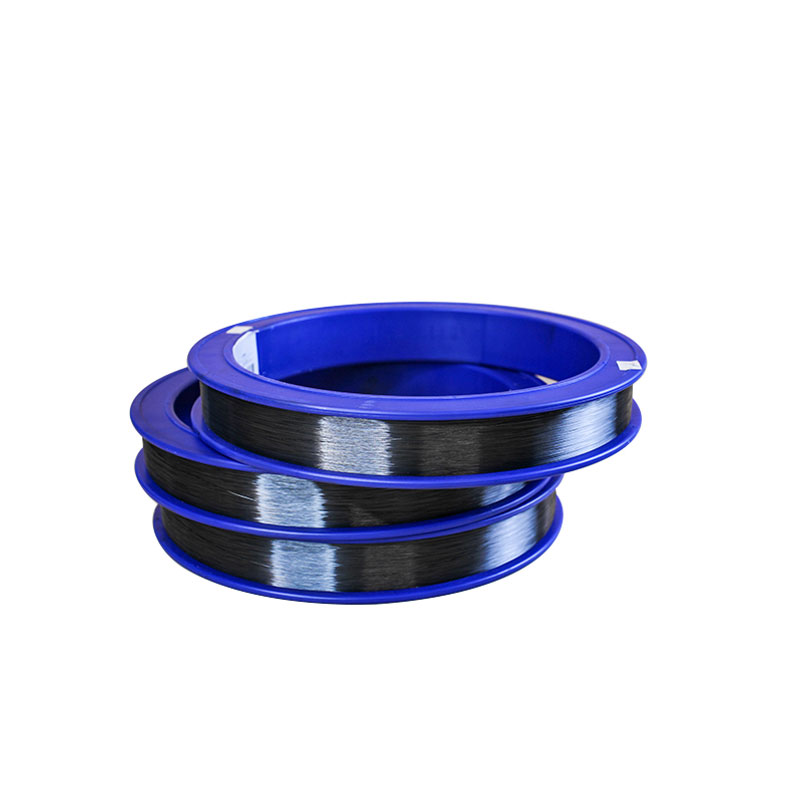
As our world becomes increasingly interconnected, the demand for advanced electronics continues to soar. Molybdenum scrap plays a surprising role in the world of circuitry, contributing to the production of high-performance electronic components. Its conductivity and heat resistance make it a valuable material for creating efficient and durable electronic devices, further highlighting the potential for industrial innovation in the realm of electronics.
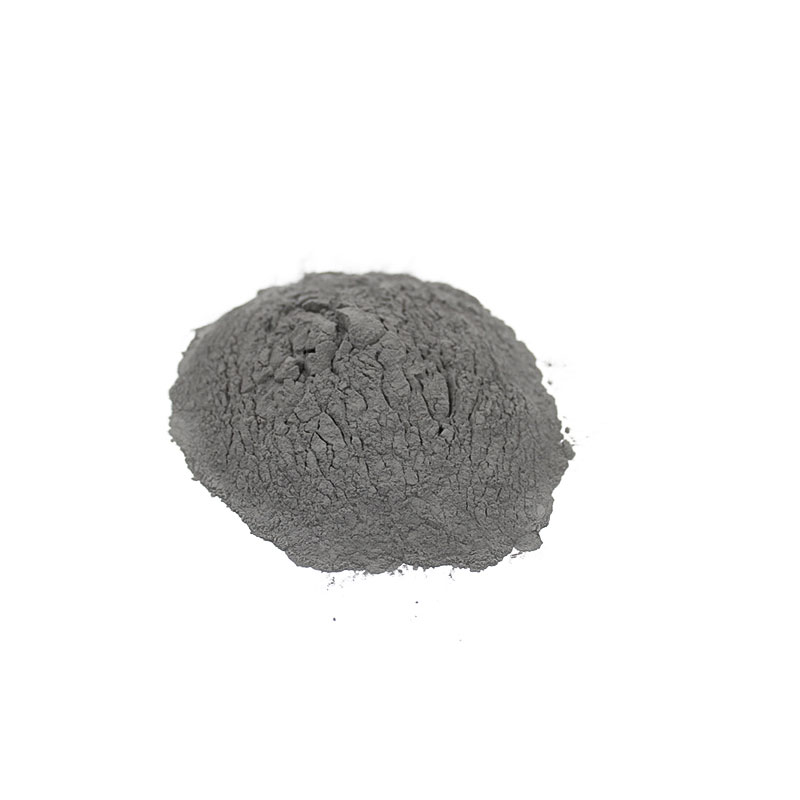
The rise of additive manufacturing, or 3D printing, has revolutionized how we approach industrial production. Molybdenum scrap, with its malleability and resilience, is making its mark in this innovative field. From creating intricate metal parts to pushing the boundaries of design possibilities, recycled molybdenum becomes a valuable resource for producing advanced molybdenum products in additive manufacturing.
In conclusion, the journey of molybdenum scrap from waste to industrial innovation is a testament to the resourcefulness and adaptability of the manufacturing industry. As the spotlight on sustainable practices intensifies, the surprising applications of molybdenum scrap underscore the potential for turning what was once considered waste into a driving force behind industrial progress. The tale of molybdenum scrap encourages us to rethink our approach to discarded materials, recognizing their latent value in fueling the engines of innovation and shaping a more sustainable industrial landscape.