

Phone:
+86 15010632687
Popular Refractory Metals

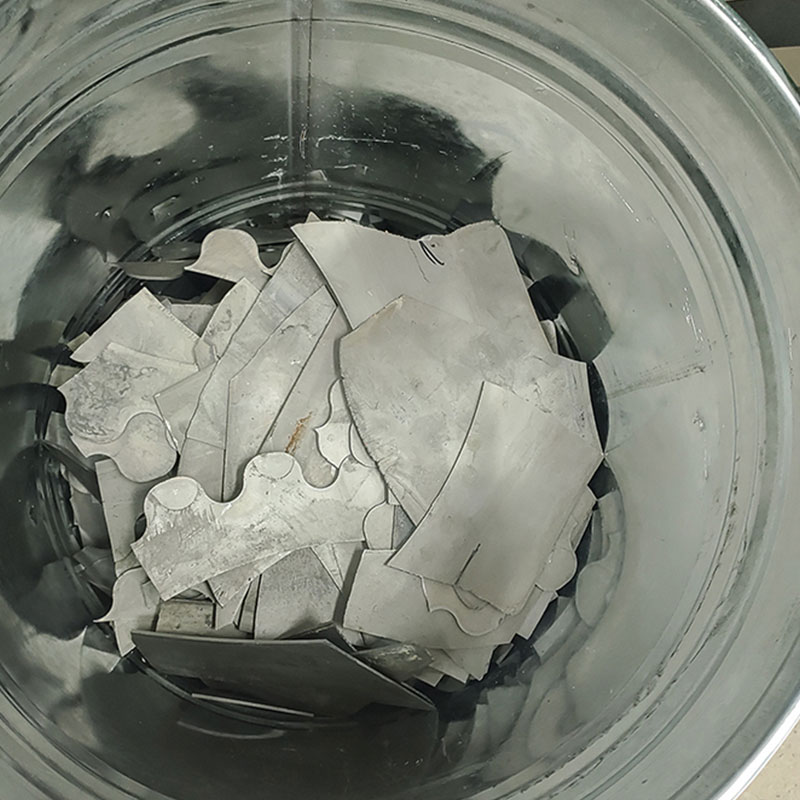
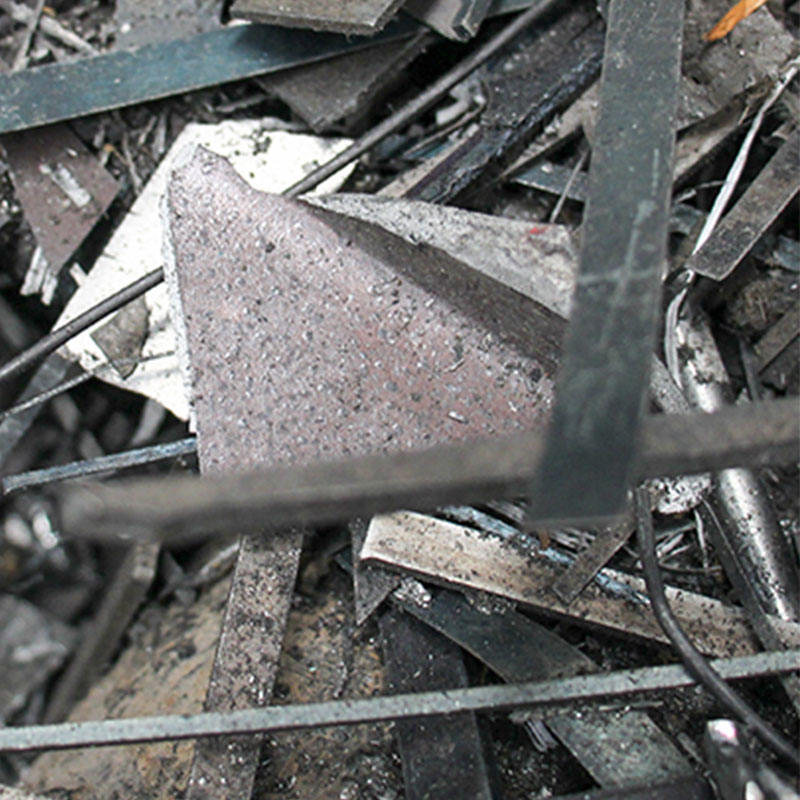
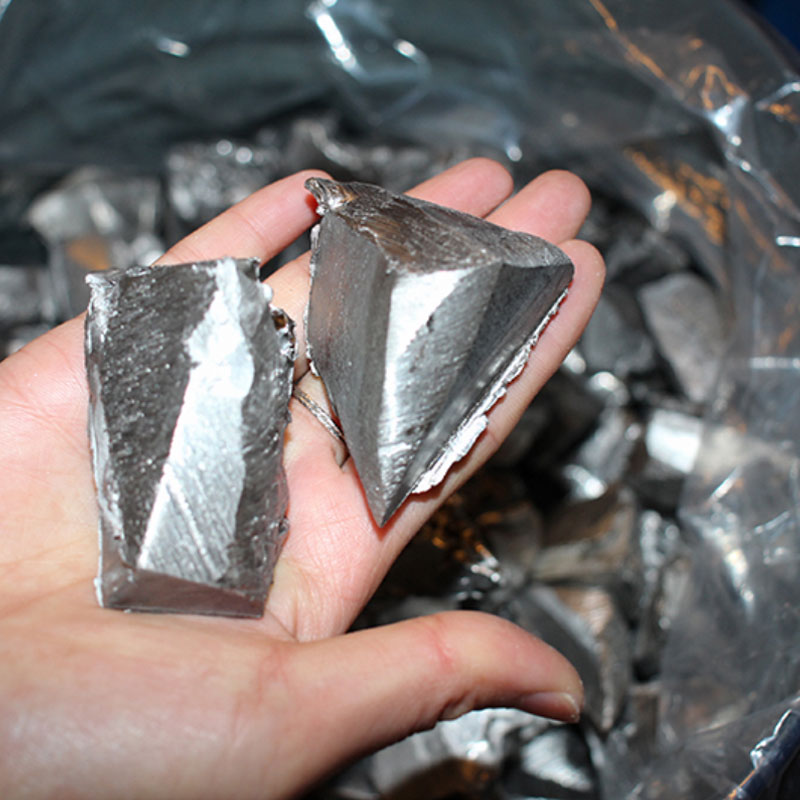
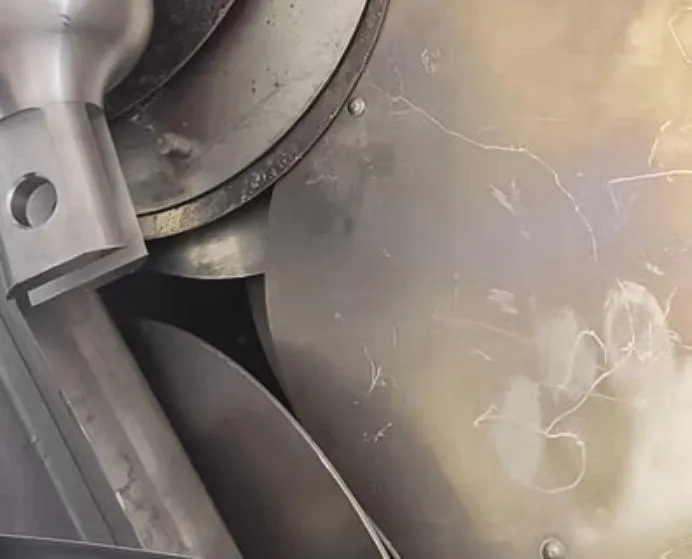
In the pursuit of sustainable mining practices, the spotlight is increasingly turning towards the recycling and reclamation of valuable metals. Molybdenum, a versatile and high-performance metal, is a prime candidate for this eco-friendly approach. In this blog, we delve into the concept of "green mining" and explore the environmental benefits of reclaiming molybdenum scrap, paving the way for a more sustainable future.
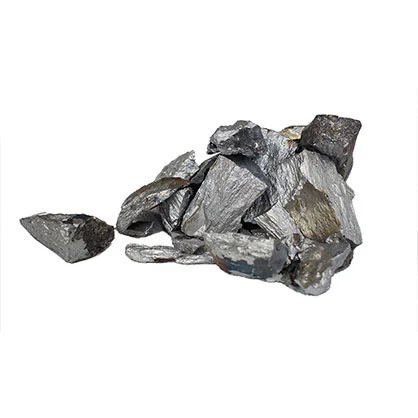
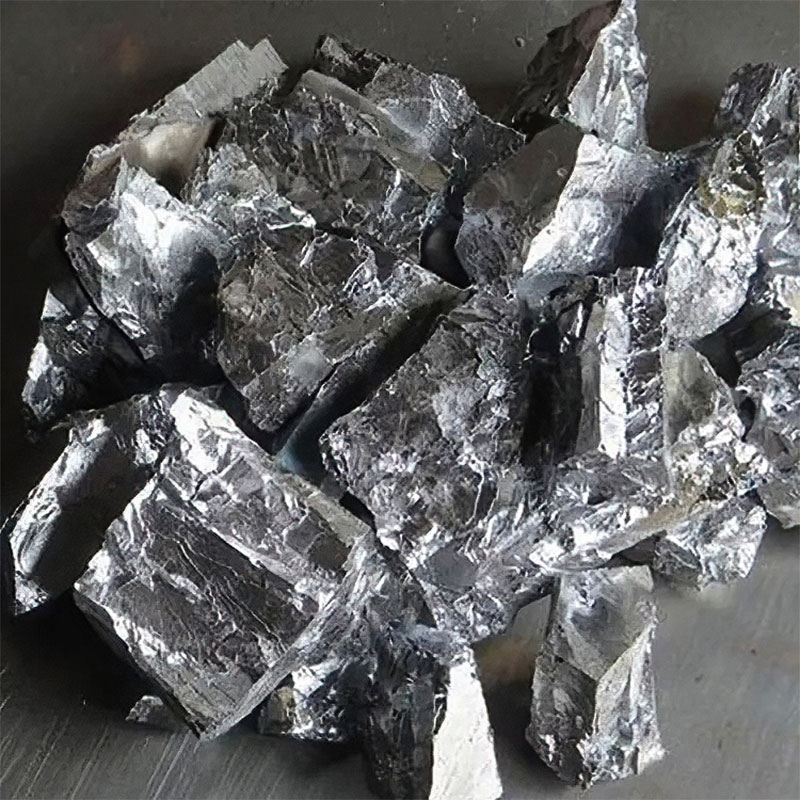
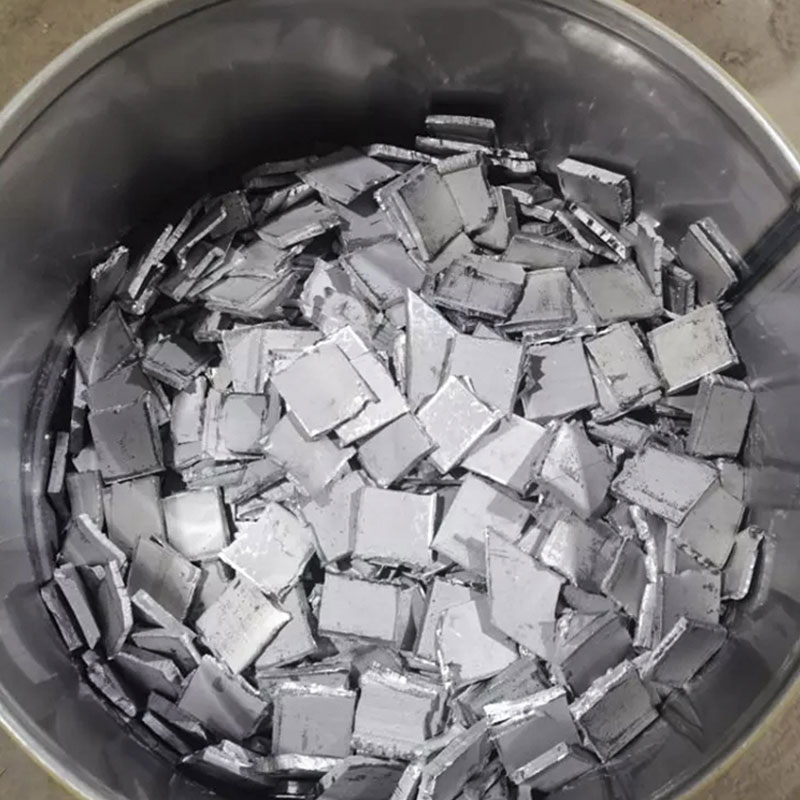
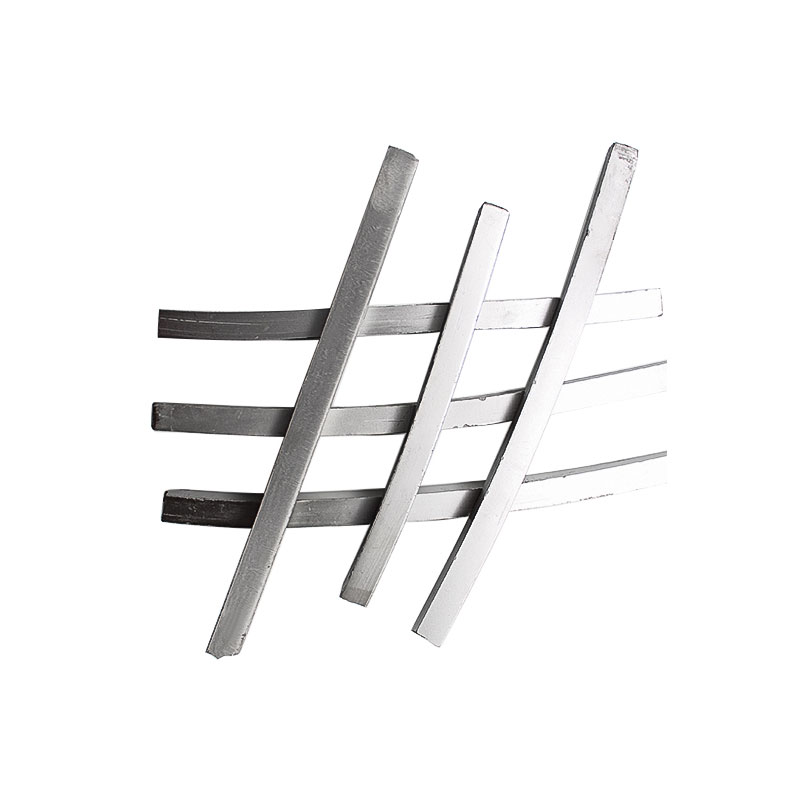
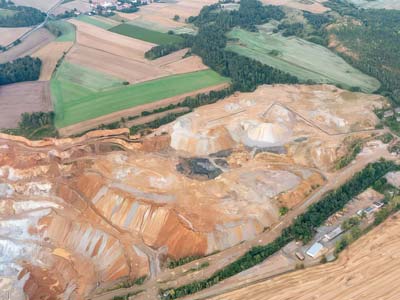
Green mining, also known as sustainable or eco-friendly mining, aims to minimize the environmental impact of extracting and processing metals. Molybdenum, a critical element in various industries, is often discarded after use. However, by reclaiming molybdenum scrap, we can significantly reduce the need for fresh mining operations. This not only conserves valuable resources but also lessens the ecological footprint associated with traditional mining practices.
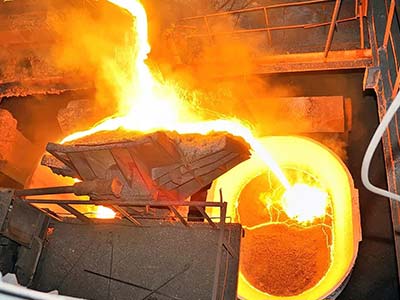
The process of extracting metals from ore is energy-intensive. Green mining seeks to address this by prioritizing recycling. Molybdenum scrap reclamation requires considerably less energy than mining and refining molybdenum from raw ores. By opting for recycled molybdenum, industries contribute to energy conservation, aligning with global efforts to transition towards a more sustainable and low-carbon future.
Traditional mining operations can release various pollutants into the air, contributing to air quality issues and climate change. In contrast, molybdenum scrap reclamation is a cleaner process that helps mitigate these environmental impacts. Choosing recycled molybdenum over newly mined sources reduces the emission of harmful substances into the atmosphere, contributing to improved air quality and a healthier environment.
Mining activities often lead to habitat disruption and the destruction of ecosystems. Green mining practices, including molybdenum scrap reclamation, play a role in preserving natural habitats and biodiversity. By reducing the demand for new mining sites, we can protect ecosystems, wildlife, and delicate landscapes, fostering a harmonious coexistence between industrial needs and the environment.
The concept of a circular economy is at the core of green mining practices. Molybdenum scrap reclamation exemplifies this circular approach by extending the life cycle of the metal. Instead of following a linear model of extraction, use, and disposal, green mining embraces a closed-loop system where materials are reused and recycled. Molybdenum scrap, when reclaimed and reused, becomes an integral part of the circular economy, allowing recycled materials to support the production of various molybdenum products while promoting sustainability and resource efficiency.
In conclusion, the environmental benefits of reclaiming molybdenum scrap are pivotal in steering the mining industry towards a more sustainable future. By choosing green mining practices, we not only conserve resources and energy but also actively contribute to the reduction of environmental degradation associated with traditional mining methods. The journey towards a greener and more sustainable mining industry is illuminated by the eco-friendly practices of molybdenum scrap reclamation, showcasing the potential for responsible resource management and environmental stewardship in the mining sector.