

Phone:
+86 15010632687
Popular Refractory Metals

As industries continue to expand their demand for high-performance materials, sustainable management of valuable metals has become an important part of modern manufacturing. Refractory metals such as molybdenum are widely used in high-temperature environments because of their excellent thermal stability, corrosion resistance and mechanical strength. However, the high value and limited availability of these materials make efficient resource utilization increasingly important.
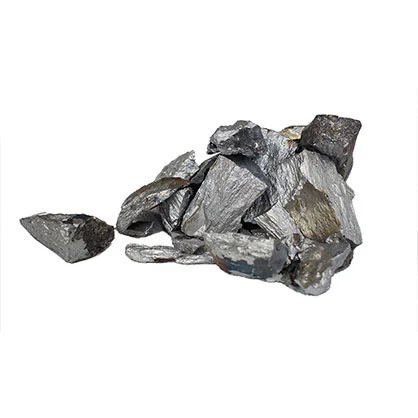
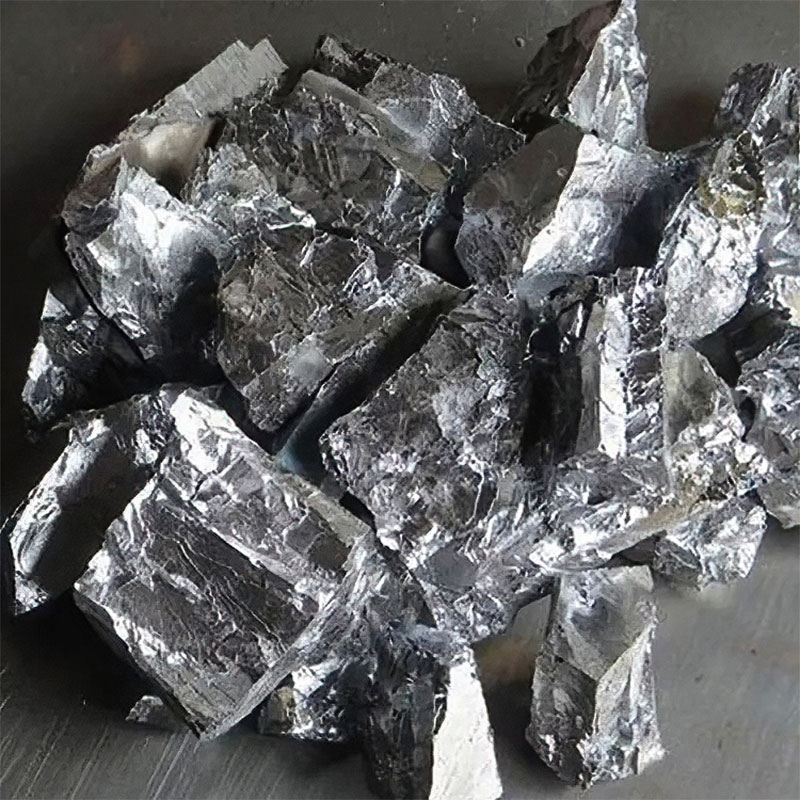
Molybdenum scrap recycling provides an effective solution for recovering valuable molybdenum resources from industrial waste and used components. By collecting and processing molybdenum-containing materials, manufacturers can reduce material waste, improve resource efficiency and maintain a more stable supply chain for advanced industrial applications.
From semiconductor production and aerospace manufacturing to high-temperature furnace systems, recycled molybdenum plays an important role in supporting sustainable metal management.
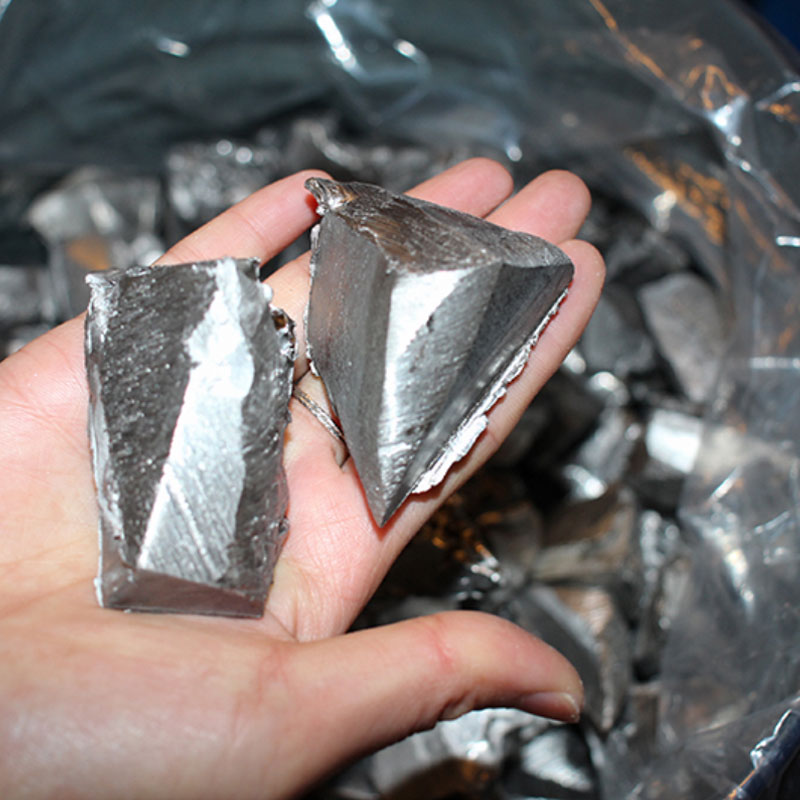
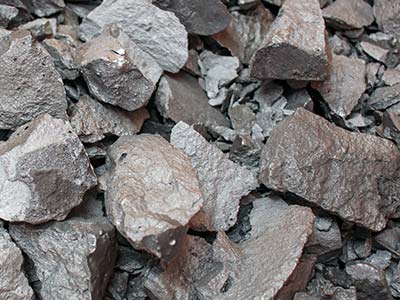
Molybdenum scrap recycling refers to the process of recovering molybdenum materials from industrial leftovers, used components and manufacturing waste. Instead of disposing of valuable refractory metals after use, companies can collect, sort and process these materials for further industrial applications.
Molybdenum is considered a critical industrial metal due to its melting point of approximately 2623°C, excellent corrosion resistance and ability to maintain strength under extreme conditions. These properties make it suitable for applications where conventional metals cannot provide sufficient performance.
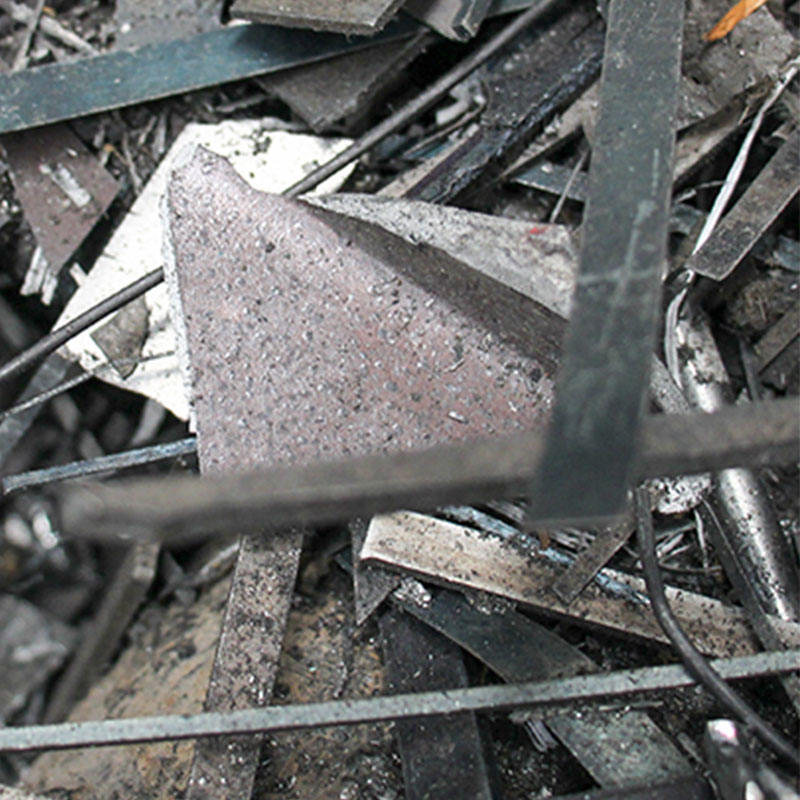
Common sources of molybdenum scrap include:
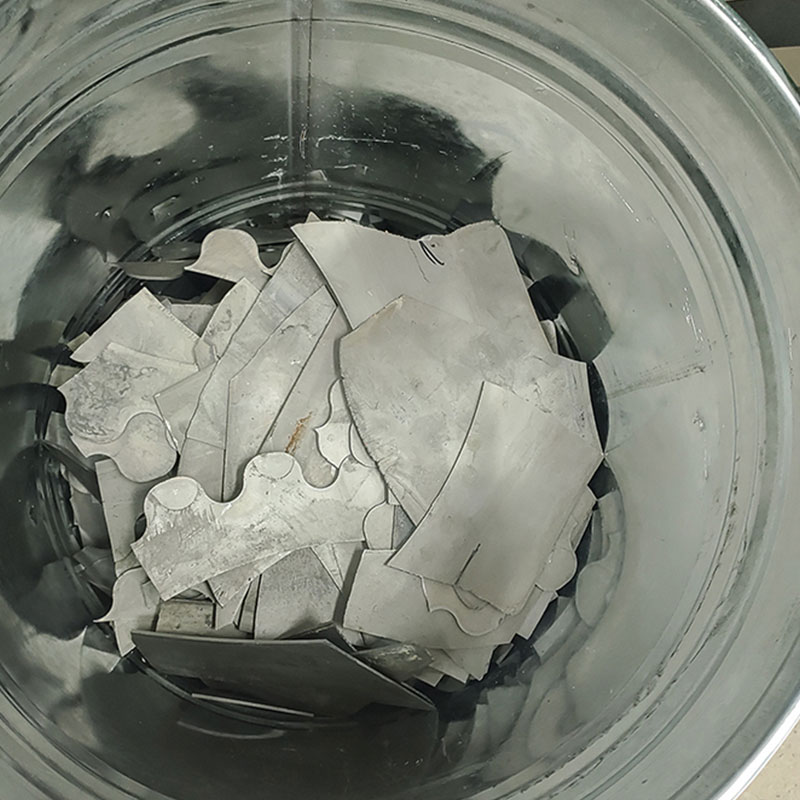
Machining waste generated during molybdenum component production
Used furnace parts from high-temperature processing equipment
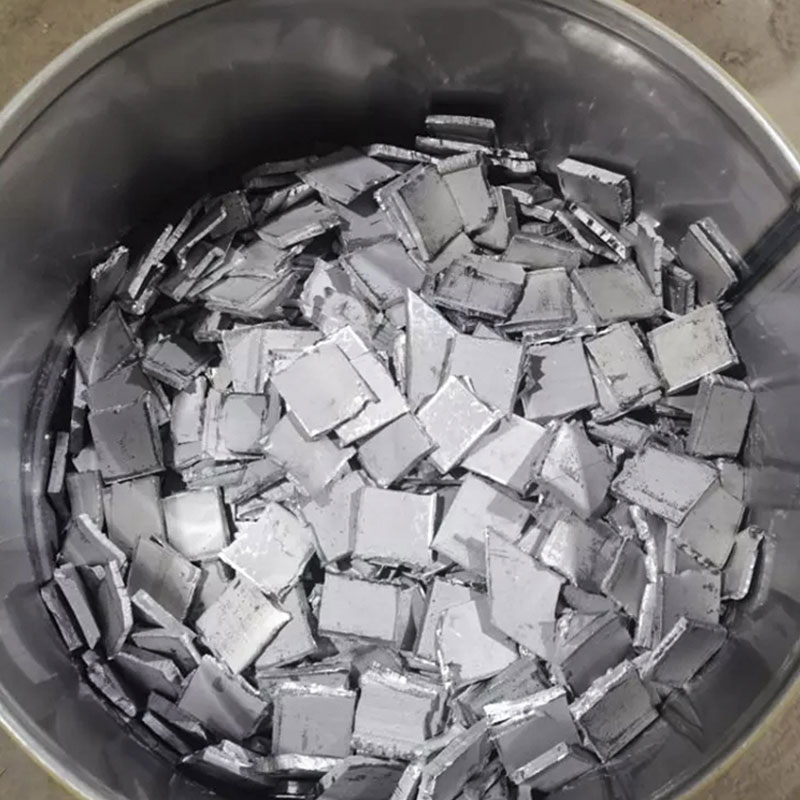
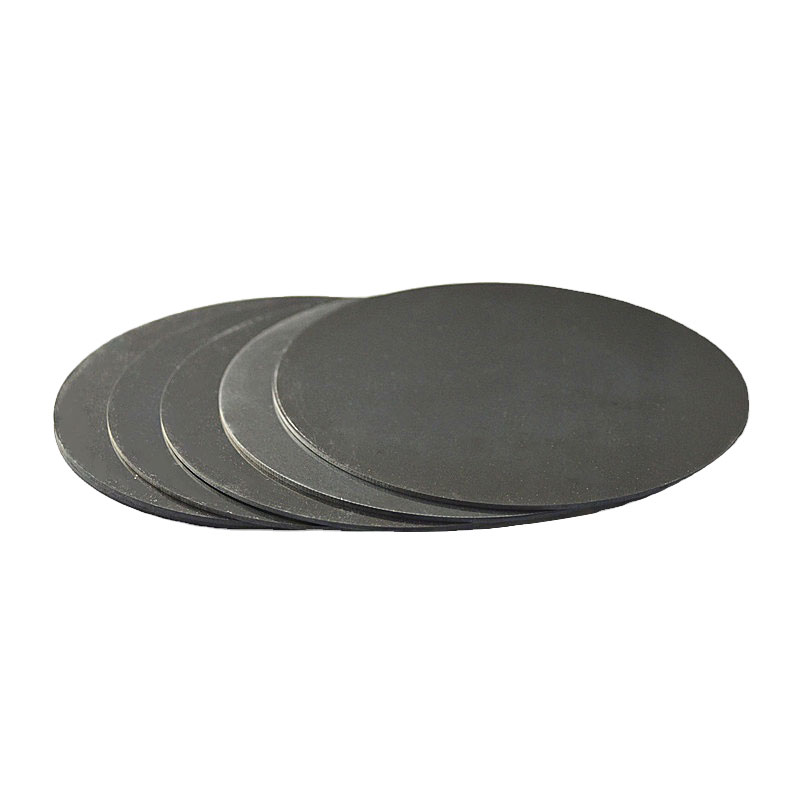
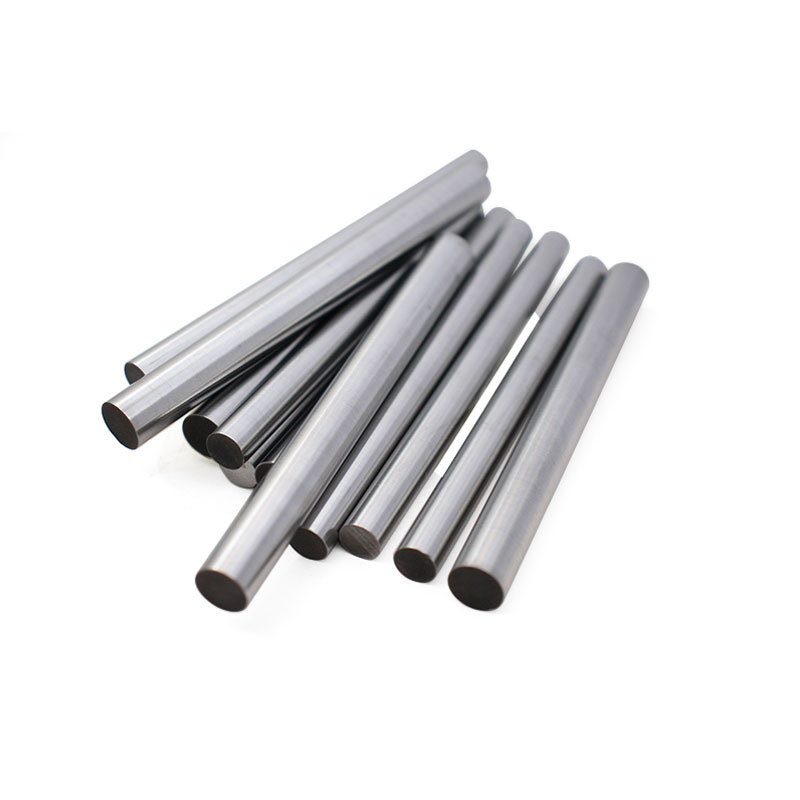
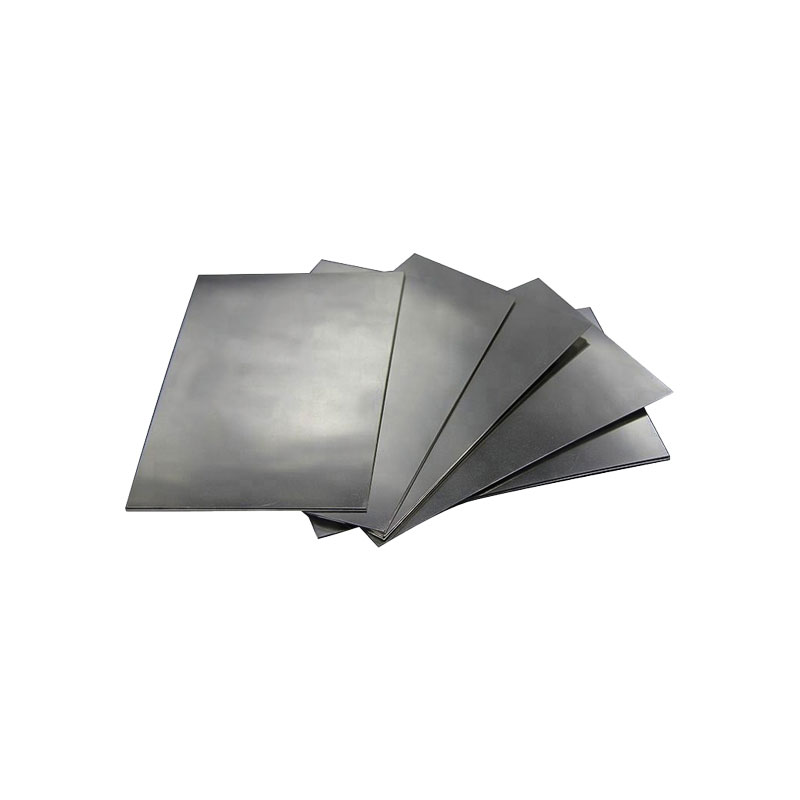
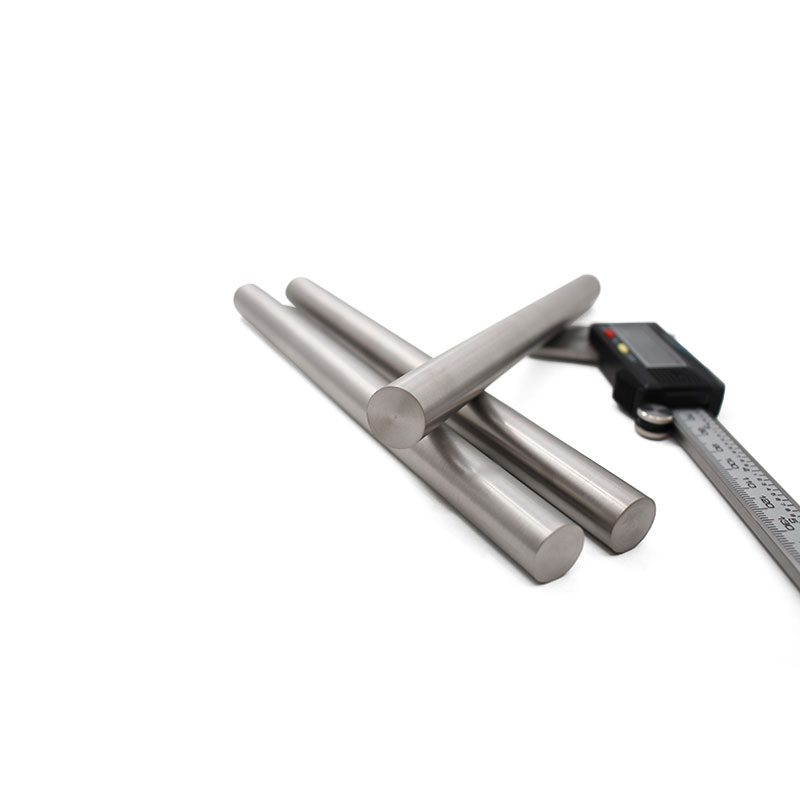
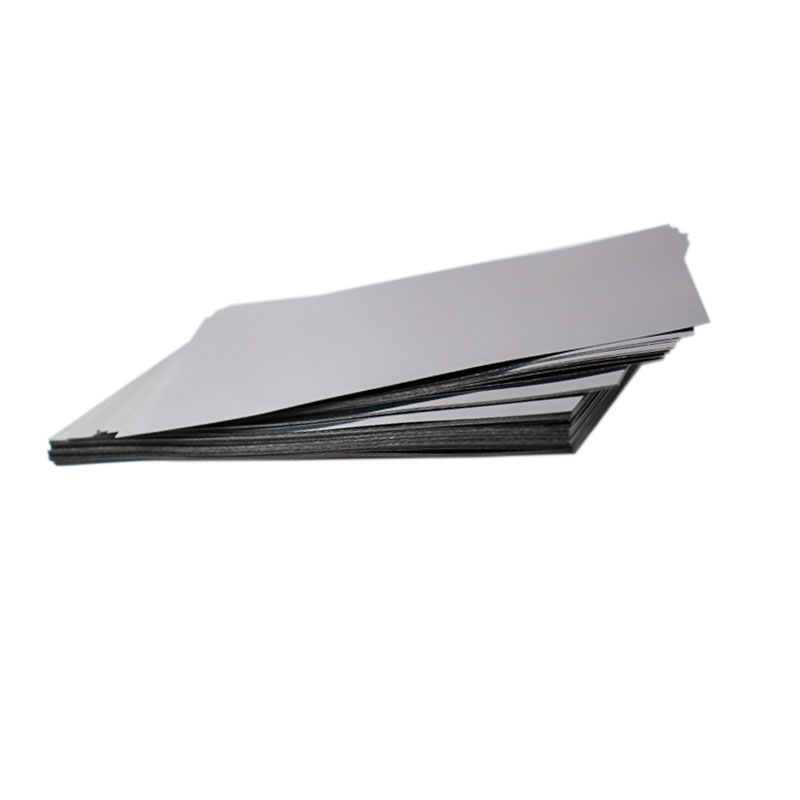
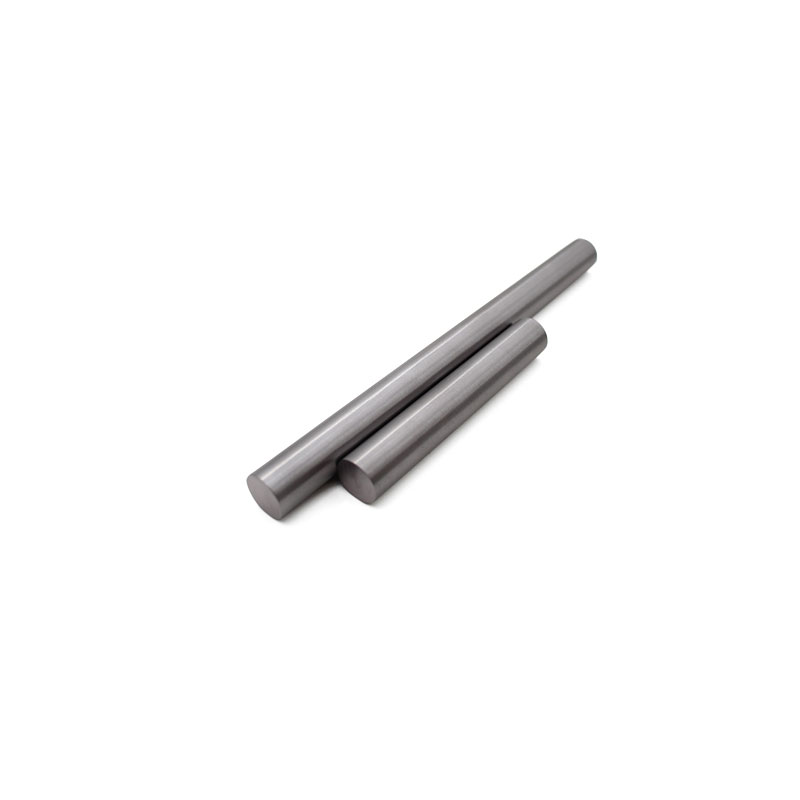
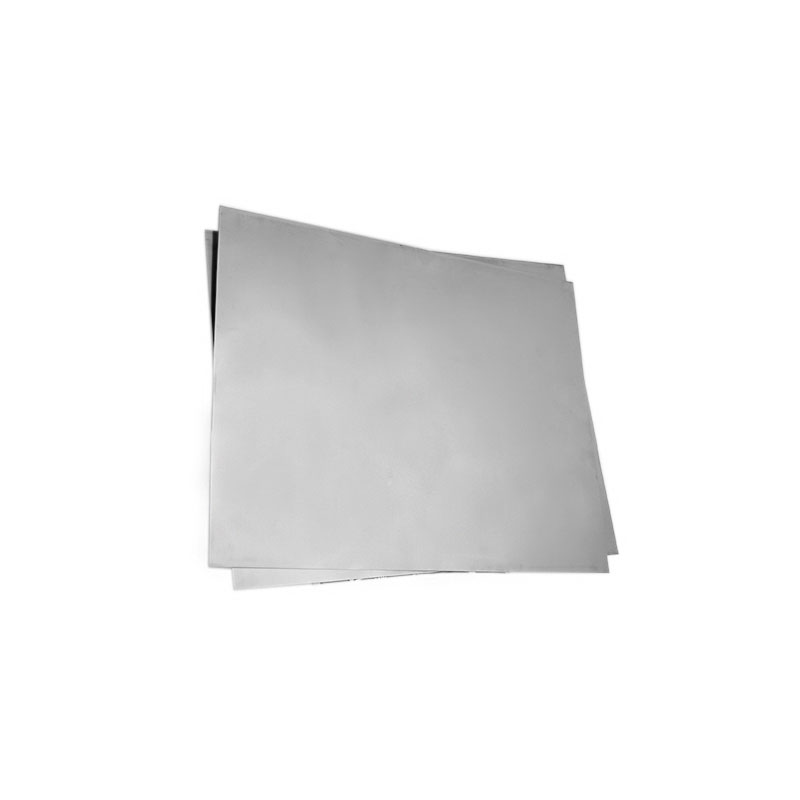
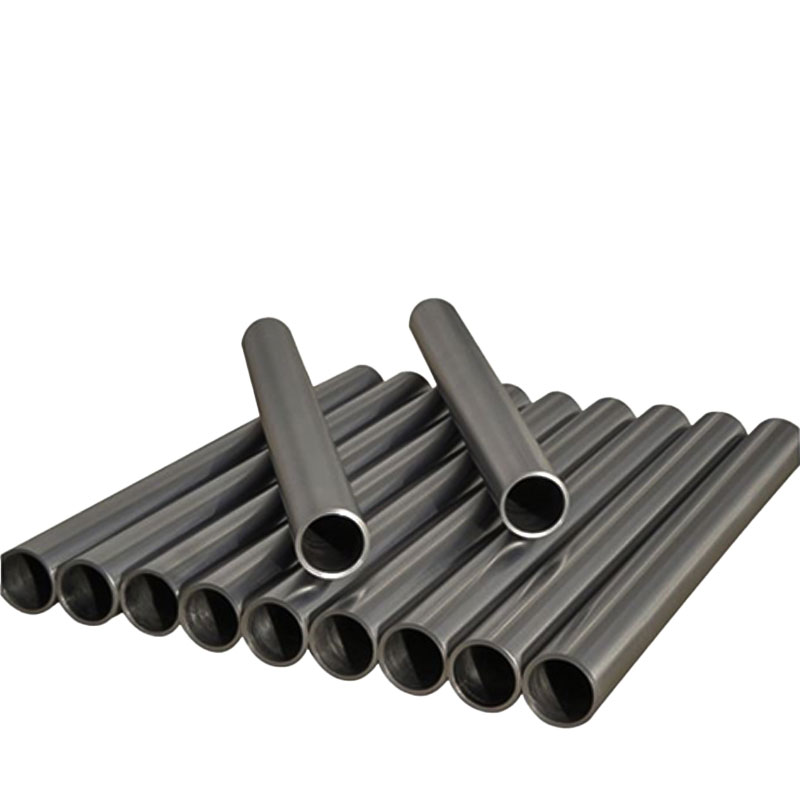
Molybdenum sheets, rods and bars
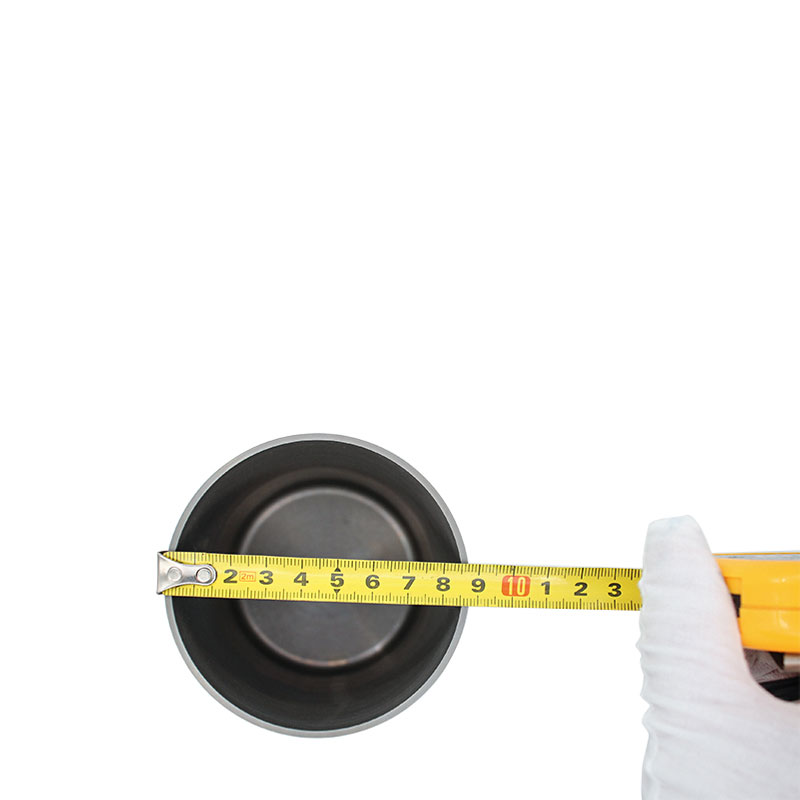
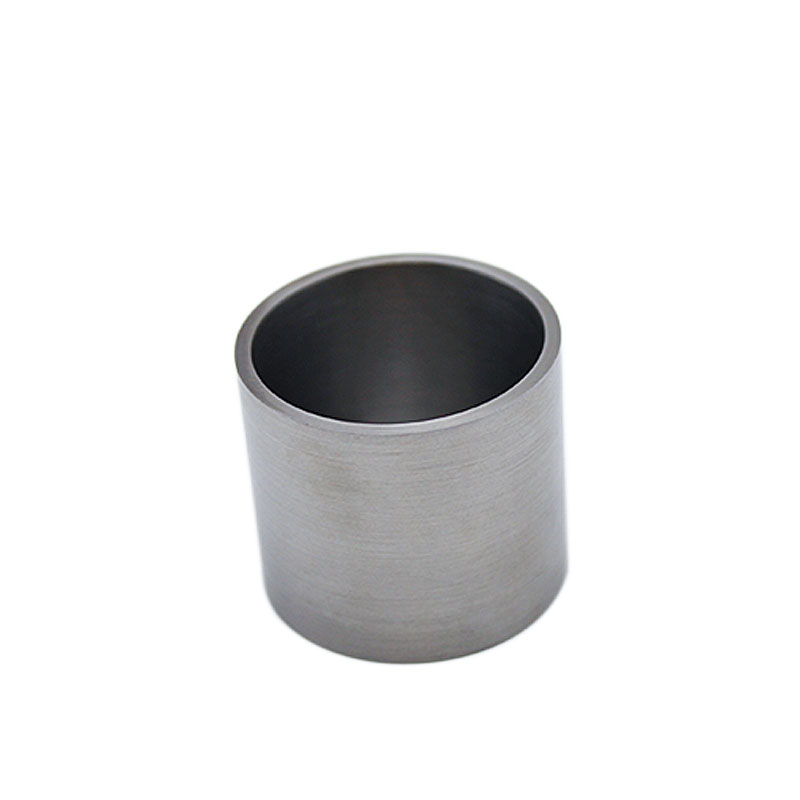
Used molybdenum crucibles from industrial applications
The importance of molybdenum scrap recycling continues to grow because industries increasingly focus on reducing raw material dependence and improving production sustainability. Recovering existing molybdenum resources allows manufacturers to maximize material value while reducing unnecessary waste.
Recycling molybdenum materials offers both economic and environmental advantages for companies using refractory metals. Since molybdenum requires specialized production processes and has significant material value, recovering used materials can help businesses improve overall cost efficiency.
One of the main benefits is reducing reliance on newly produced molybdenum. Recycling allows manufacturers to recover usable metal from production waste and previously used components, helping create a more flexible material supply strategy.
In addition, recycling supports sustainable manufacturing by reducing the amount of industrial waste generated during production. Instead of treating used molybdenum components as waste, companies can return valuable resources into the manufacturing cycle.
For industries with strict material requirements, recycling also improves supply chain stability. By maintaining access to recovered molybdenum resources, companies can better manage fluctuations in raw material availability and purchasing costs.
Molybdenum is available in various forms, and many of these materials retain significant recycling value after their original service life. The recovery potential depends on material condition, purity and application history.
| Material | Recycling Potential |
|---|---|
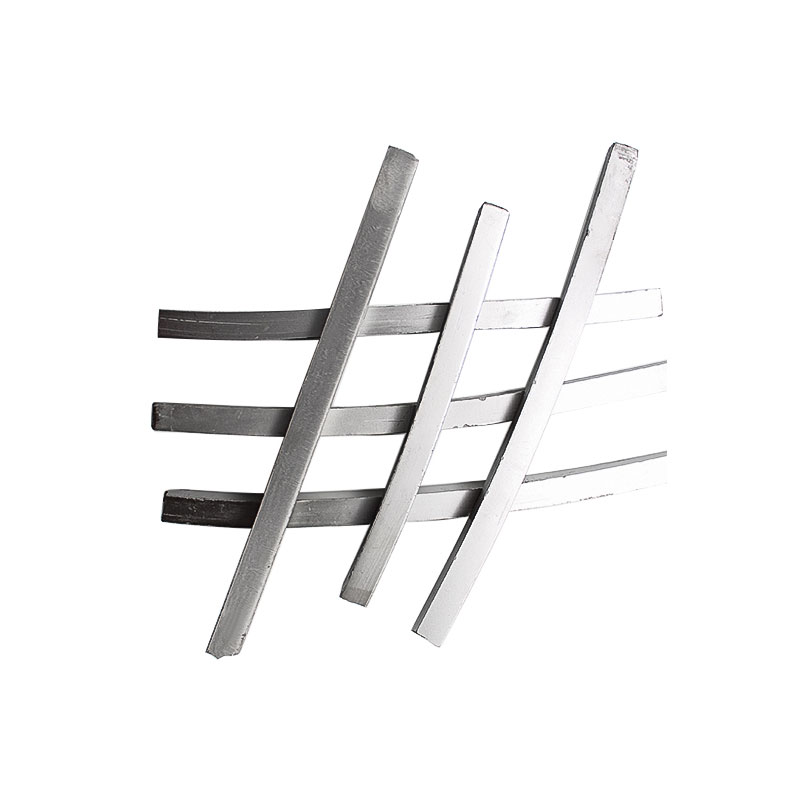
| Molybdenum bars | High |
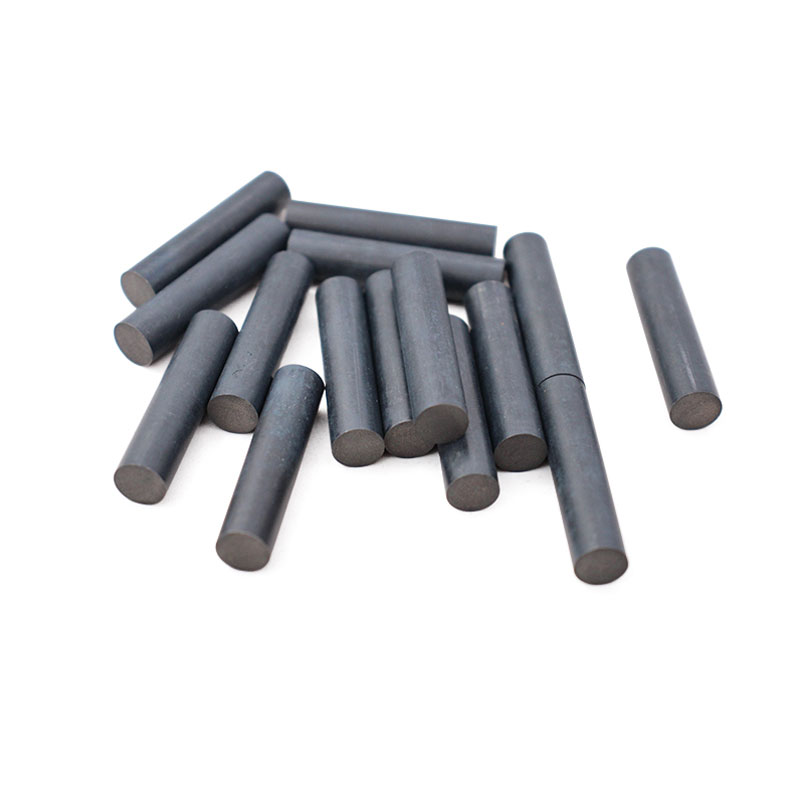
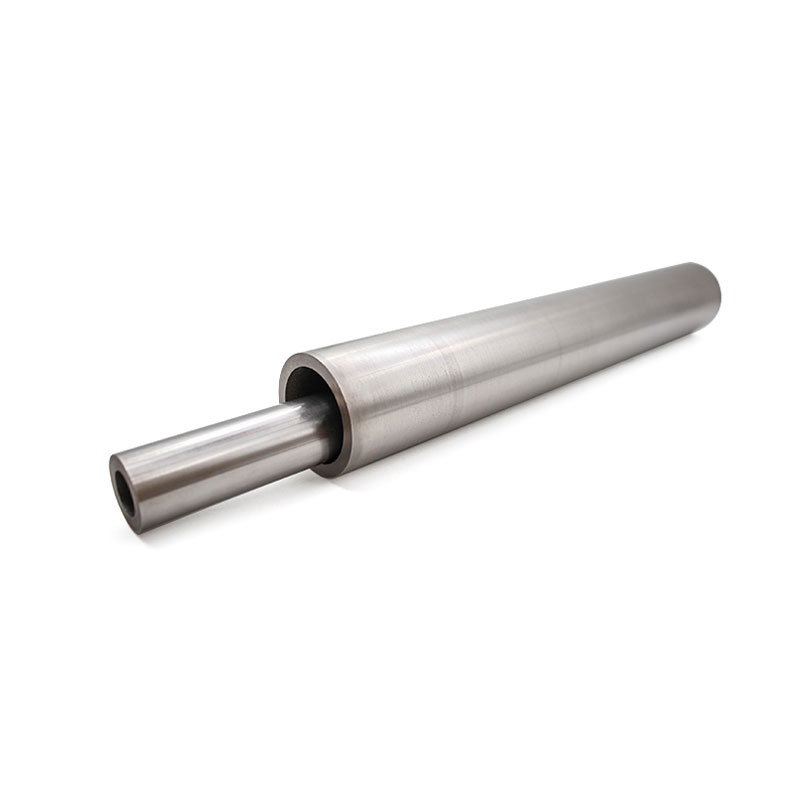
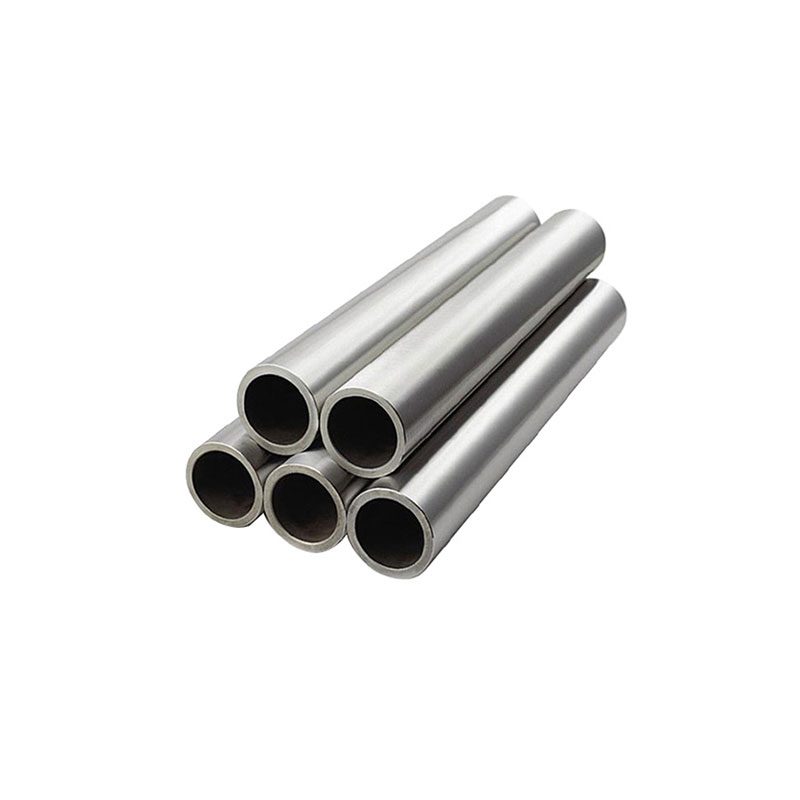
| Molybdenum rods | High |
| Molybdenum crucibles | High |
| Molybdenum sheets | High |
Among these materials, molybdenum bars are commonly used in industrial structures, heating systems and high-temperature components. After machining or production processes, remaining material can often be collected and recycled instead of being discarded.
Molybdenum rods and crucibles are also important recycling sources. Due to their excellent thermal performance, they are widely used in demanding environments such as vacuum furnaces, crystal growth equipment and advanced manufacturing systems.
Companies that understand different molybdenum product forms can better evaluate recycling opportunities and improve material utilization throughout the production cycle.
The cost of molybdenum products is influenced by multiple factors, including raw material availability, processing requirements and product specifications. For businesses using high-value components, recycling provides an additional way to control expenses while maintaining access to essential materials.
For example, companies purchasing specialized products often need to evaluate factors affecting molybdenum crucible price, including material purity, manufacturing complexity and market conditions. By incorporating recycled materials into their resource strategy, manufacturers can reduce dependence on new material purchases and improve budget management.
Molybdenum recycling can also help optimize inventory utilization. Instead of storing unused scraps or disposing of valuable components, companies can recover these materials and convert them into useful resources.
As industries continue to prioritize cost efficiency and sustainability, recycling is becoming an important part of long-term material planning.
Selecting the right recycling partner is essential for ensuring recovered molybdenum maintains its quality and application value. A professional supplier should have experience with refractory metals and understand the technical characteristics of different molybdenum materials.
Important factors to consider include:
Material identification capability: Accurate evaluation of composition and purity ensures proper recycling processes.
Recycling experience: Knowledge of different molybdenum applications helps improve recovery efficiency.
Quality inspection: Reliable testing procedures ensure recovered materials meet industrial requirements.
Processing capability: Advanced processing methods improve material recovery performance.
Supply reliability: Stable service capability supports long-term cooperation.
Working with experienced molybdenum rod manufacturers can also provide advantages because they typically have deeper knowledge of molybdenum properties, production standards and industrial applications.
HSG Metal specializes in refractory metal materials and provides professional solutions for molybdenum products, supporting customers with reliable quality control, customized requirements and global supply capabilities.
As industries such as aerospace, semiconductor manufacturing and advanced electronics continue developing, demand for refractory metals will continue increasing. At the same time, manufacturers are paying more attention to sustainable production methods and efficient resource management.
The future of molybdenum scrap recycling will be closely connected with the growth of advanced manufacturing. Recovering molybdenum from industrial waste not only helps reduce resource consumption but also supports a more sustainable metal supply chain.
For companies using refractory metals, recycling is becoming more than a waste reduction method. It is an important strategy for improving material efficiency, controlling costs and maintaining reliable access to critical industrial resources.
Common recyclable materials include molybdenum rods, bars, sheets and crucibles.
Molybdenum has excellent high-temperature resistance, corrosion resistance and significant industrial value, making recovered materials highly useful.
The process usually includes sorting, cleaning, material evaluation and recovery processing.
Yes. Properly processed molybdenum scrap can be reused in various industrial applications.
Material purity, product form, quantity and market conditions can influence recycling value.
Recycling helps reduce material costs, improve resource efficiency and support sustainable manufacturing practices.
With increasing demand for advanced materials, molybdenum scrap recycling has become an important solution for improving resource utilization and maintaining stable refractory metal supply. Recovering valuable materials such as rods, bars, sheets and crucibles allows companies to reduce waste while optimizing material costs.
For manufacturers and industrial users, selecting an experienced recycling and material partner is essential for achieving reliable results. HSG Metal provides professional refractory metal solutions and supports efficient molybdenum resource management for modern industrial applications.