


Phone:
+86 15010632687
Popular Refractory Metals

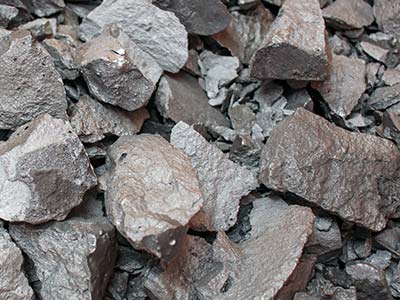
In the fast-paced world of automotive engineering, the pursuit of strength, durability, and performance is unending. One of the unsung heroes contributing to these advancements is ferrotungsten, a remarkable alloy that has found its way into the heart of modern vehicles. In this blog, we explore the symbiotic relationship between ferrotungsten and automotive advancements, unraveling the ways in which this alloy is driving the industry towards new heights of strength and durability.
At the core of many automotive advancements lies the quest for stronger and more durable materials. Ferrotungsten, a potent alloy of iron and tungsten, is a key player in this pursuit. Used in the production of high-strength steel, ferrotungsten enhances the structural integrity of vehicles. The result is cars that are not only lighter but also possess superior resistance to wear and tear, contributing to longer lifespans and reduced maintenance costs.
The demanding environment of an automobile engine requires materials that can withstand extreme temperatures, pressures, and mechanical stresses. Ferrotungsten's unique properties make it an ideal candidate for engine components. Whether used in pistons, crankshafts, or other critical parts, this alloy excels in providing the strength and resilience necessary for optimal engine performance. The integration of ferrotungsten in engine design enhances efficiency, power, and the overall longevity of the vehicle.
Fuel efficiency is a key consideration in modern automotive design. Ferrotungsten contributes to this goal by being a part of advanced lightweight alloys used in vehicle construction. These ferroalloys allow automakers to reduce the overall weight of vehicles without compromising strength, leading to enhanced fuel efficiency and a reduced environmental footprint. Ferrotungsten's role in crafting these high-strength, lightweight alloys is pivotal in shaping the next generation of fuel-efficient automobiles.
The efficiency and safety of braking systems are paramount in the automotive industry. Ferrotungsten's wear-resistant properties make it an excellent choice for components in braking systems. Whether used in brake pads or other crucial parts, ferrotungsten helps mitigate wear and tear, ensuring that braking systems maintain their effectiveness over extended periods. This resilience is a critical factor in enhancing both safety and the overall lifespan of braking components.
As the automotive industry embraces additive manufacturing and 3D printing, ferrotungsten is proving to be a versatile and valuable material. Working with reliable ferrotungsten manufacturers helps automotive companies obtain consistent-quality materials for advanced applications. Its compatibility with these cutting-edge technologies allows for the creation of intricate and customized automotive components. This opens up new possibilities in design, enabling engineers to optimize parts for strength and durability, ultimately leading to more efficient and robust vehicles.
In conclusion, ferrotungsten stands as a driving force behind automotive advancements, contributing significantly to the industry's pursuit of strength and durability. From enhancing the steel used in vehicle construction to playing a crucial role in engine components, braking systems, and even additive manufacturing, this alloy is leaving an indelible mark on the automotive landscape. As the quest for more sustainable and efficient vehicles continues, ferrotungsten is likely to remain a key player in shaping the future of automotive engineering.