

Phone:
+86 15010632687
Popular Refractory Metals

In modern steel manufacturing, improving strength, durability and performance while maintaining lightweight characteristics has become a key goal for many industries. Alloying elements play an important role in achieving these requirements, and ferro niobium is one of the most widely used niobium-based materials in advanced steel production.
Ferro niobium specification is an important consideration for steel manufacturers and material buyers because chemical composition, niobium content and processing requirements directly influence final steel performance. From automotive components and pipeline systems to aerospace alloys, selecting the right ferro niobium material helps manufacturers achieve consistent quality and production efficiency.
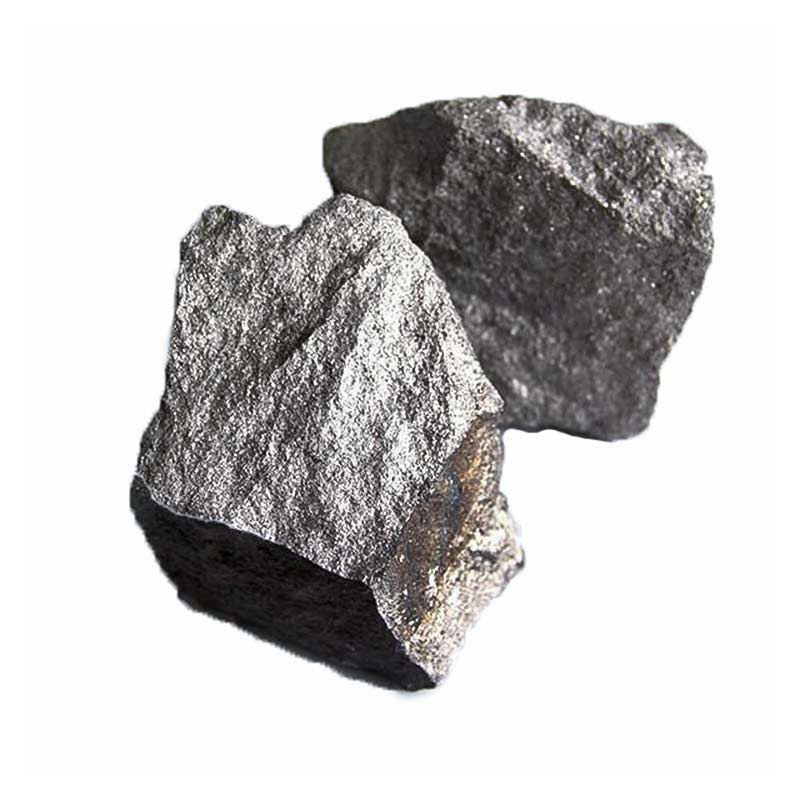
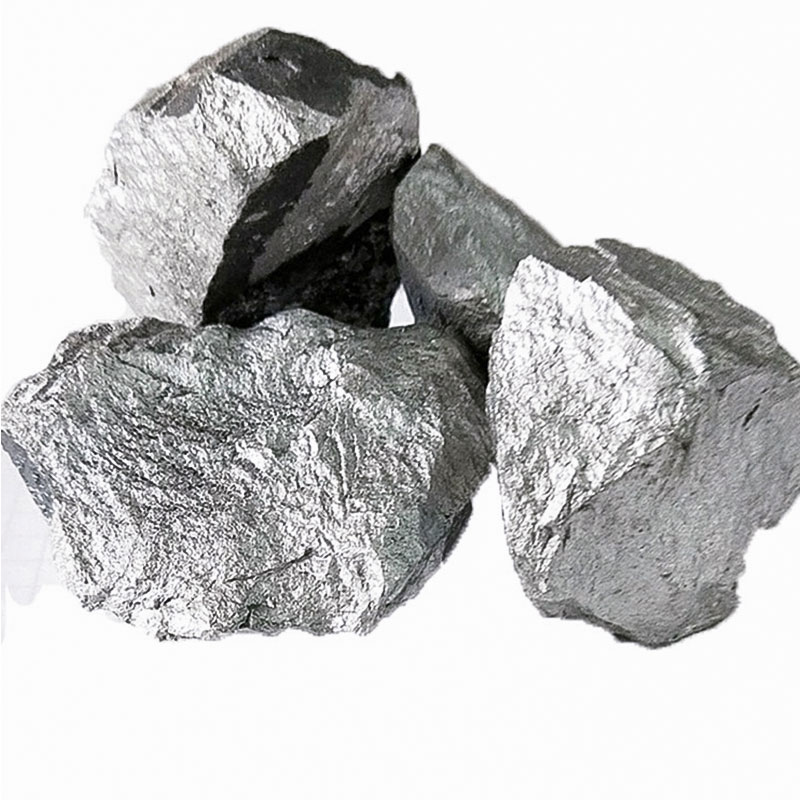
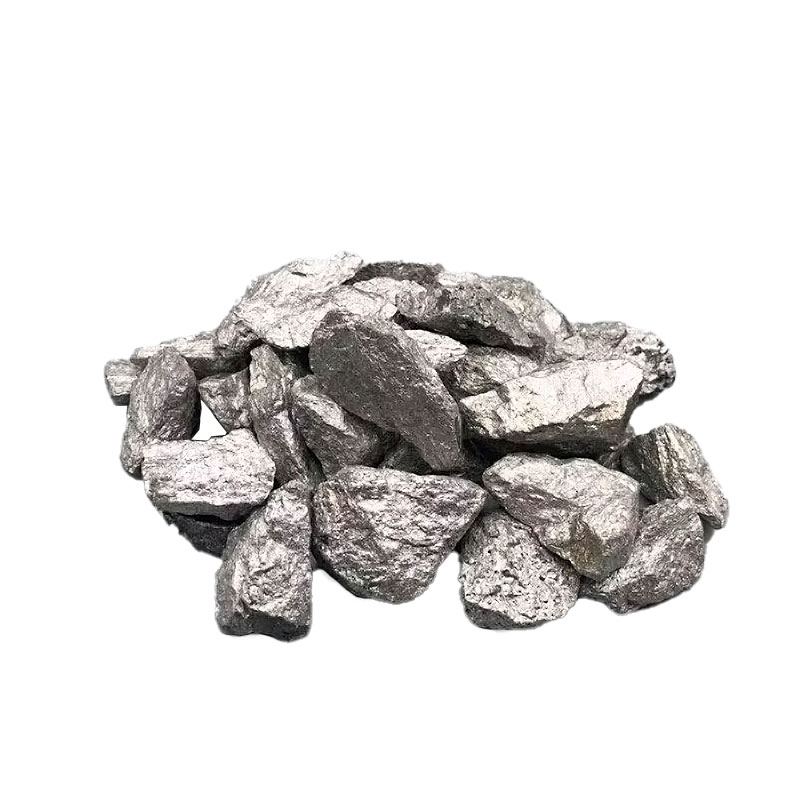
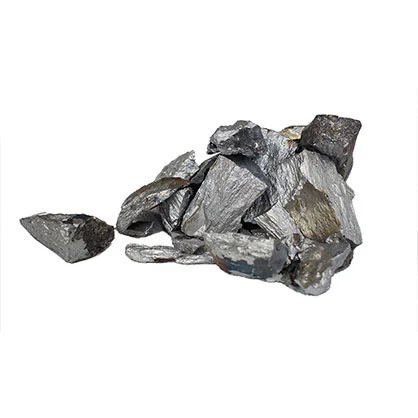
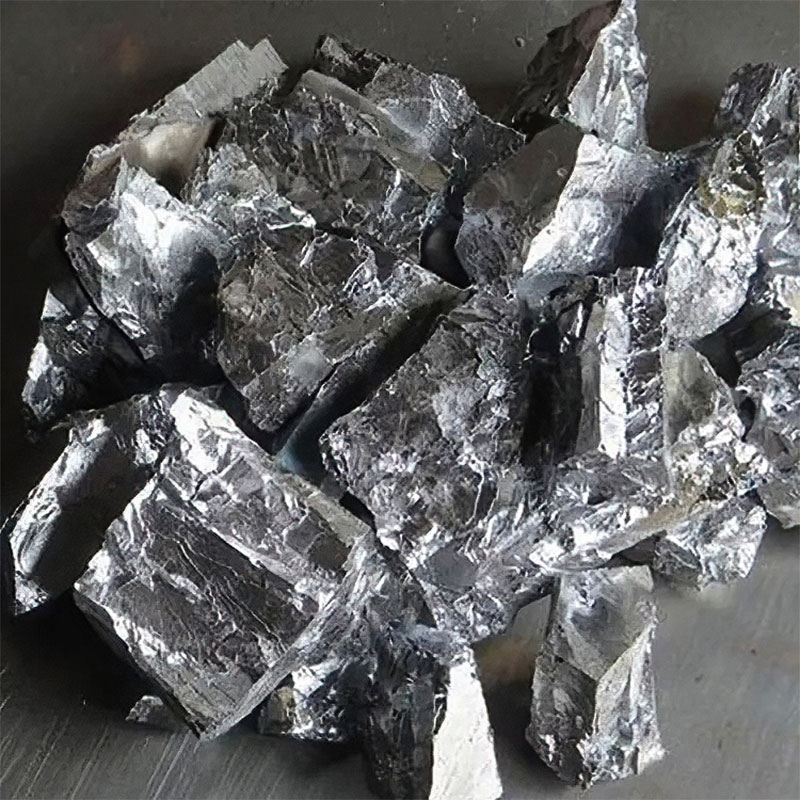
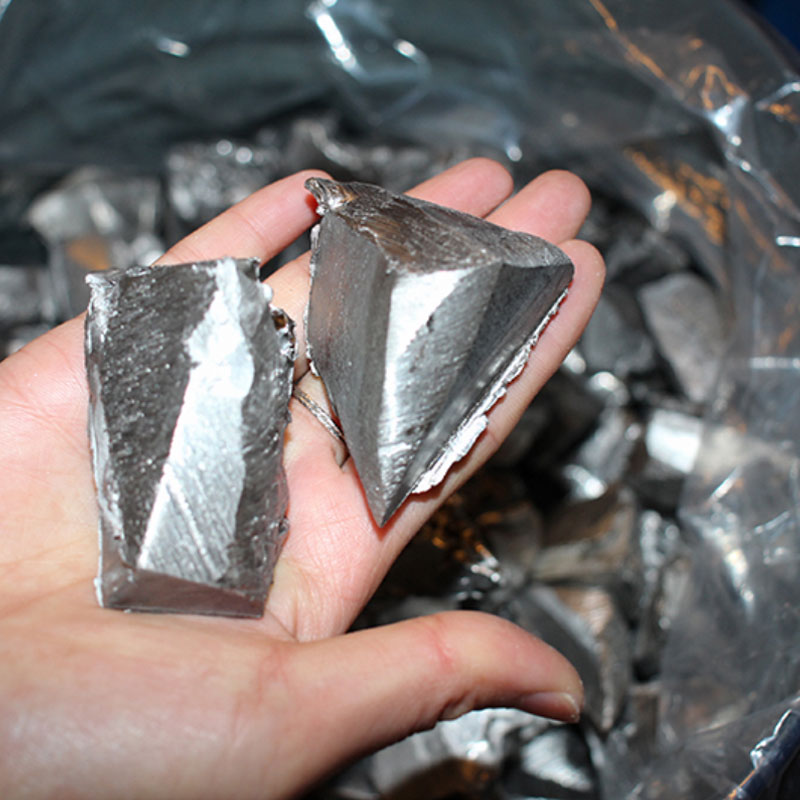
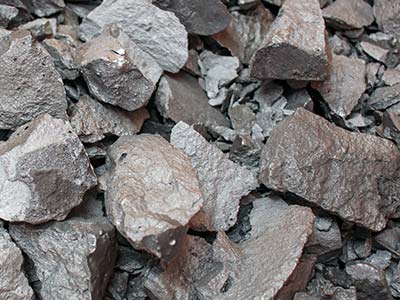
Ferro niobium is a ferroalloy made by combining niobium with iron. It is mainly used as an alloying additive in steel production to improve mechanical properties and enhance material performance.
Commercial ferro niobium typically contains around 60–70% niobium, with the remaining composition consisting mainly of iron and controlled amounts of other elements. During steel production, small amounts of niobium can significantly improve grain refinement, strength and toughness.
The main value of ferro niobium comes from its ability to create high-strength steel without adding excessive weight. This makes it especially important for industries that require lightweight but durable materials.
Common applications include:
HSLA (high-strength low-alloy) steel production
Automotive lightweight steel
Pipeline steel
Aerospace-grade alloys
In these applications, ferro niobium helps improve structural reliability while supporting the development of more efficient and high-performance materials.
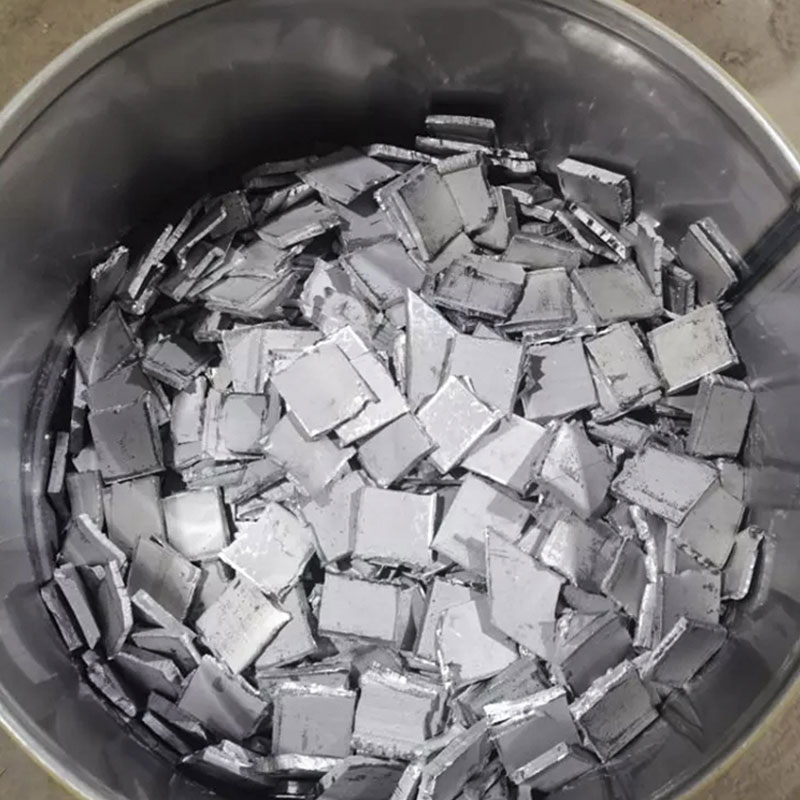
When purchasing ferro niobium, understanding technical specifications is essential. Different steel production processes may require different chemical compositions and particle characteristics, making material selection an important step.
| Specification | Importance |
|---|---|
| Niobium Content | Determines strengthening effect |
| Carbon Content | Influences steel properties |
| Silicon Content | Affects alloy performance |
| Particle Size | Impacts melting efficiency |
| Packaging | Prevents contamination |
Among these factors, niobium content is one of the most important indicators. Higher niobium concentration generally provides stronger alloying effects, but buyers should also consider the requirements of their specific steel production process.
Carbon and silicon levels can influence steel behavior during manufacturing, while particle size affects melting speed and material distribution. Proper packaging is also necessary to protect ferro niobium quality during storage and transportation.
For industrial buyers, evaluating a complete ferro niobium specification sheet helps ensure that the selected material matches production requirements and quality standards.
The addition of ferro niobium can significantly improve steel performance by refining grain structure and enhancing mechanical properties. This makes it a valuable material for industries where strength, toughness and reliability are critical.
The automotive industry increasingly uses high-strength steel to reduce vehicle weight while maintaining safety. Ferro niobium helps improve steel strength, allowing manufacturers to produce lighter components without sacrificing durability.
Pipeline systems require materials that can withstand pressure, temperature changes and demanding environmental conditions. Niobium-enhanced steel provides improved toughness and structural stability, supporting safer long-term operation.
Aerospace applications require materials with excellent strength-to-weight ratios and reliable performance. Ferro niobium contributes to advanced alloy development by improving mechanical properties under demanding conditions.
HSG Metal provides refractory metal materials with customized specifications for different industrial requirements, helping customers select suitable materials for advanced manufacturing applications.
Although ferro niobium is widely used in steel production, other niobium materials may be more suitable for specialized applications. Understanding the differences between materials helps buyers make better purchasing decisions.
| Material | Main Features | Typical Applications |
|---|---|---|
| Ferro Niobium | Alloy additive, improves steel strength | Steel production |
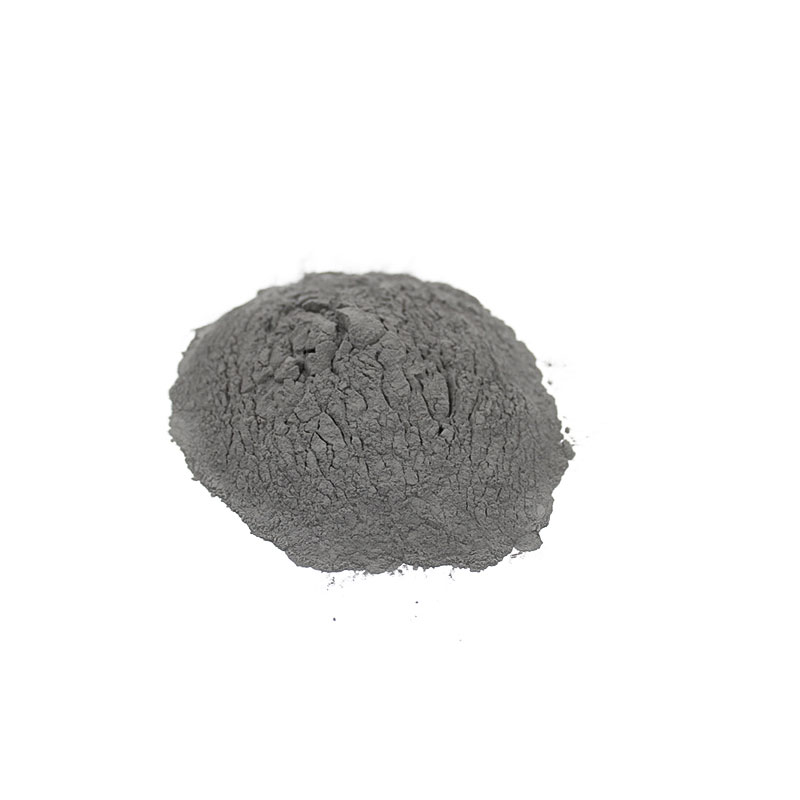
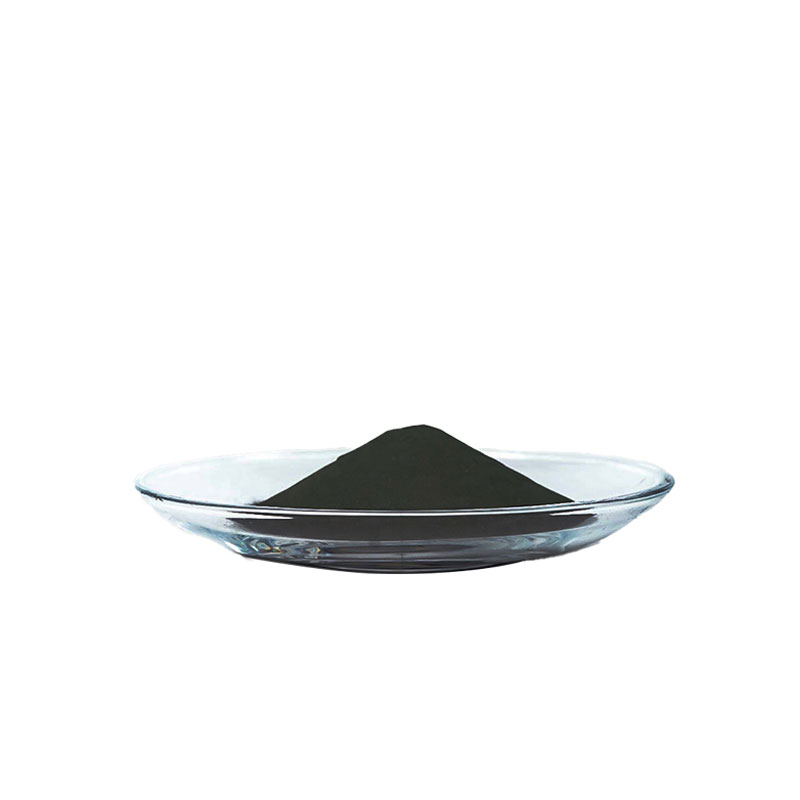
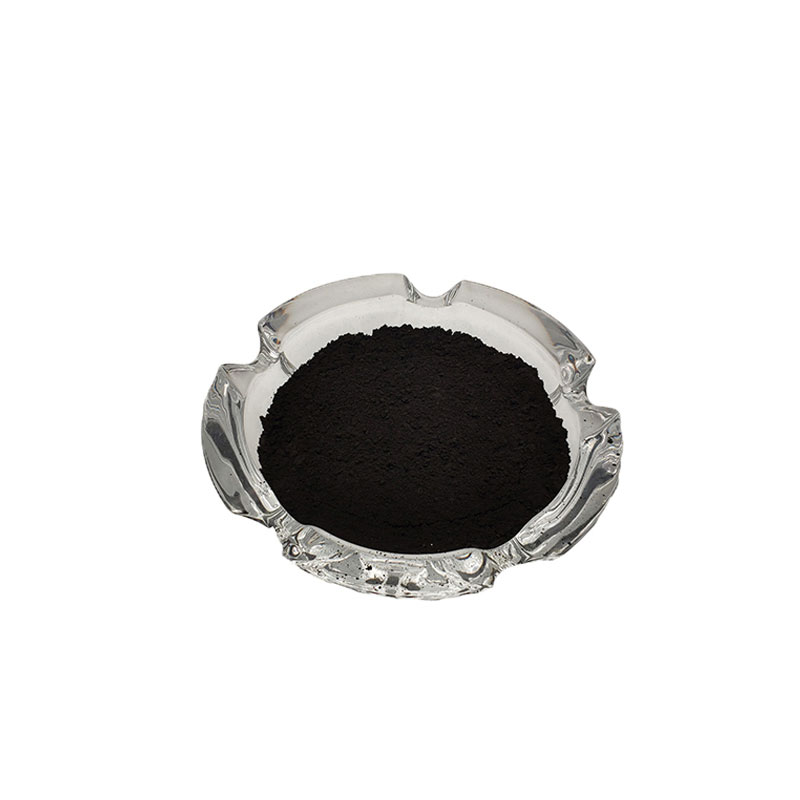
| Niobium Metal Powder | Fine particles, high purity | Powder metallurgy, advanced materials |
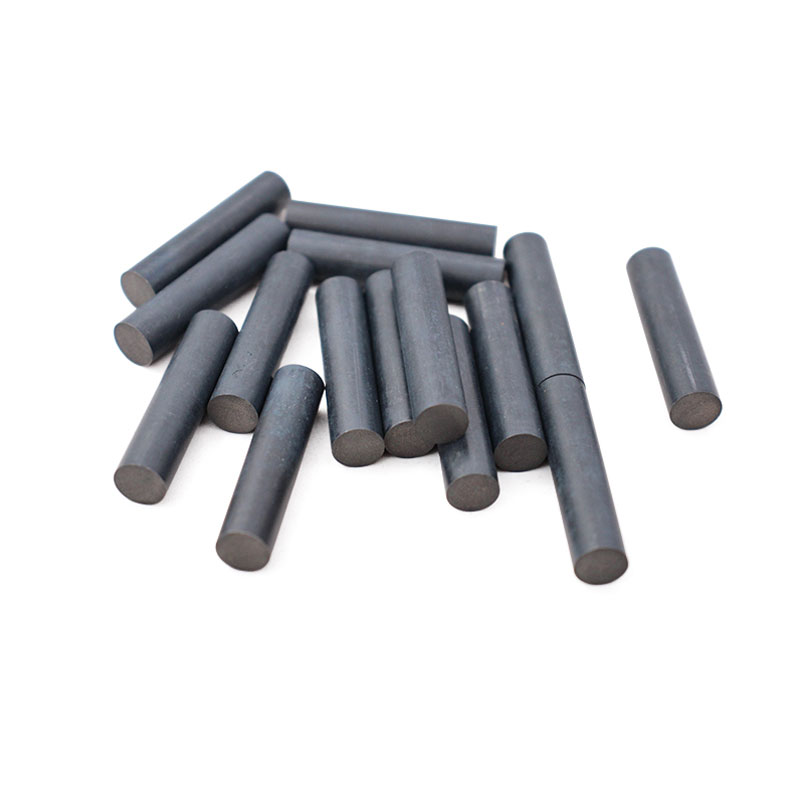
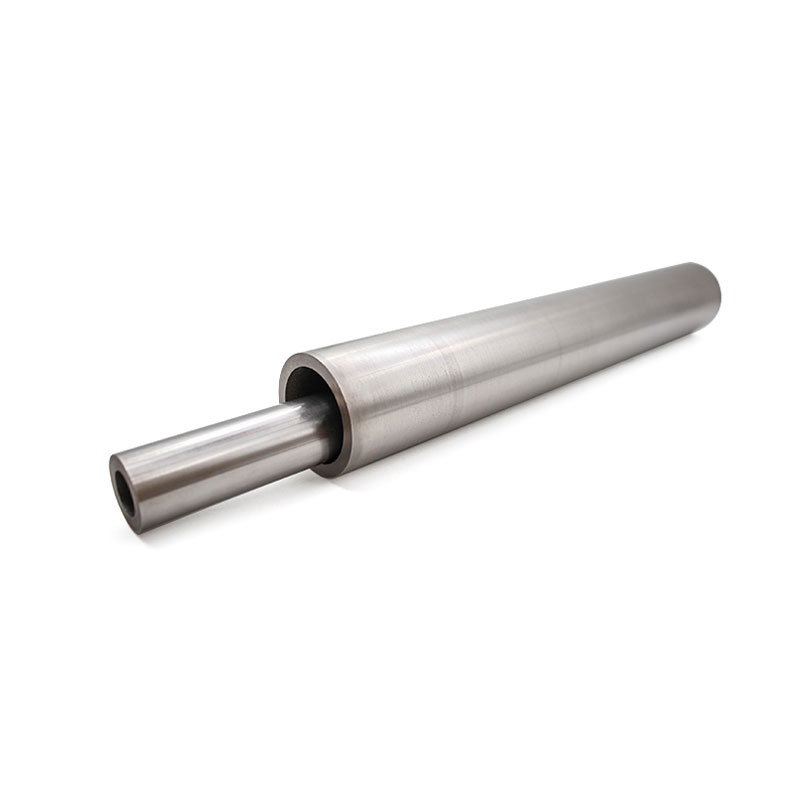
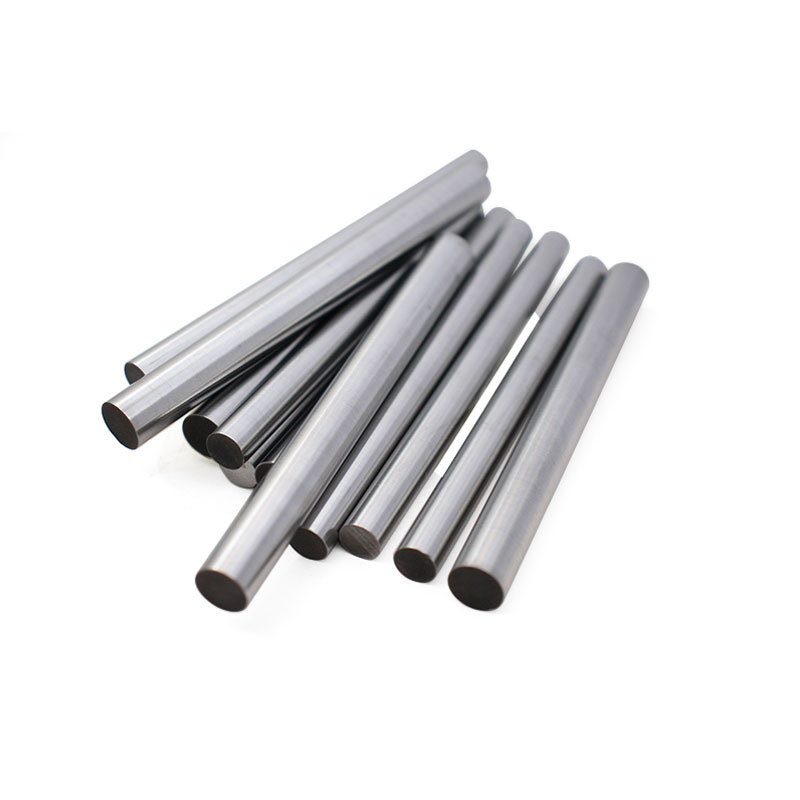
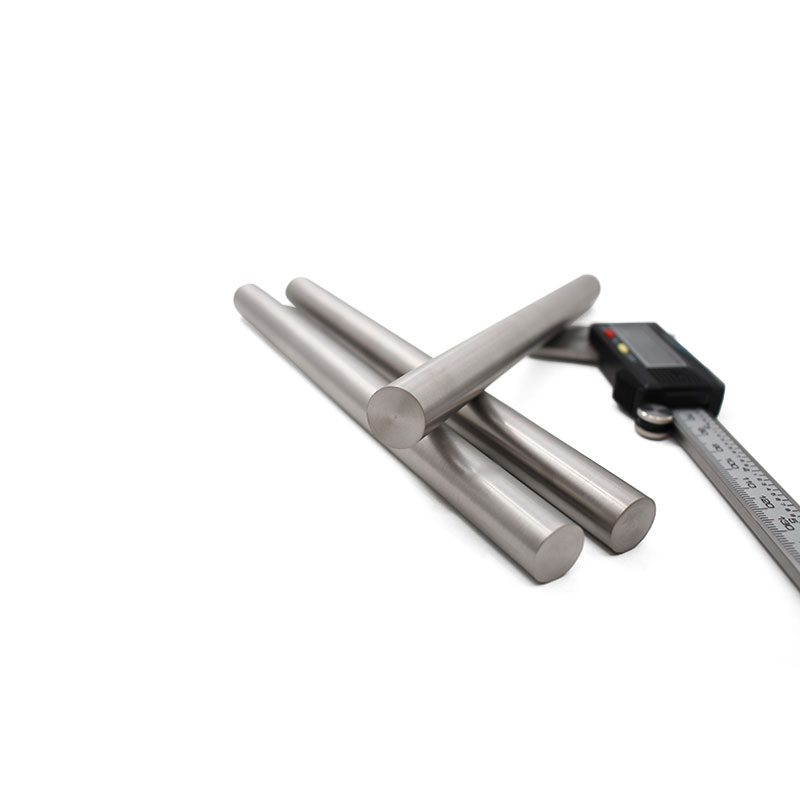
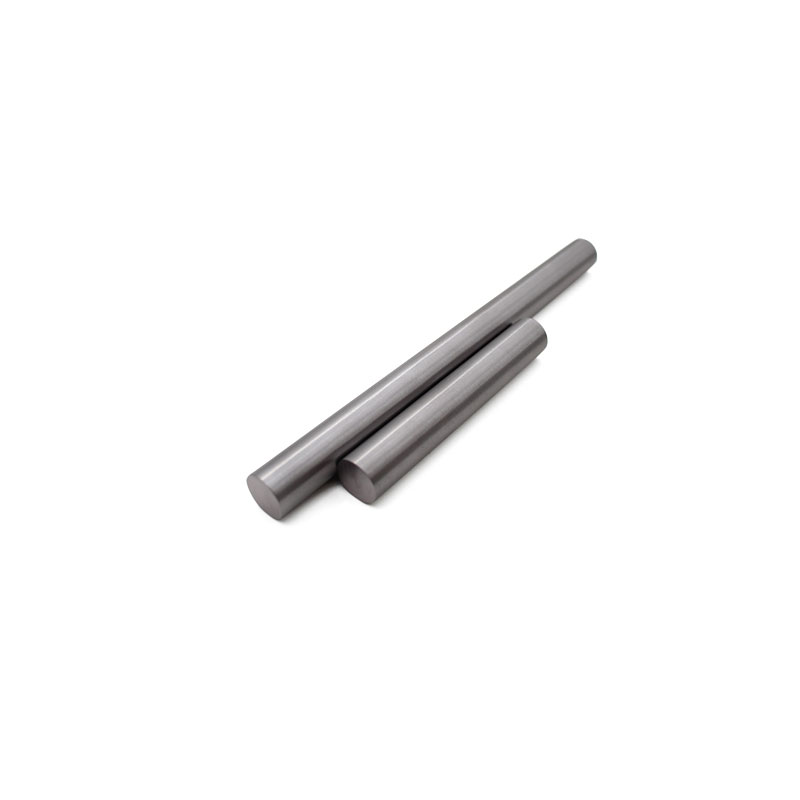
| Niobium Rod | Excellent corrosion resistance | Laboratory and industrial components |
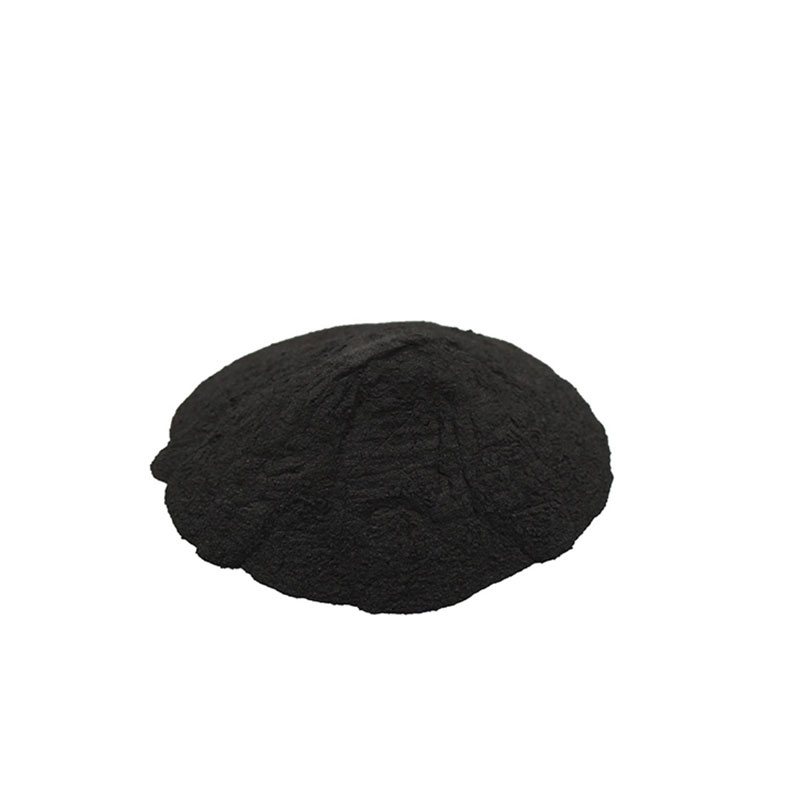
Compared with ferro niobium, niobium metal powder is mainly used in applications requiring high-purity materials and precise processing, such as powder metallurgy and advanced material development.
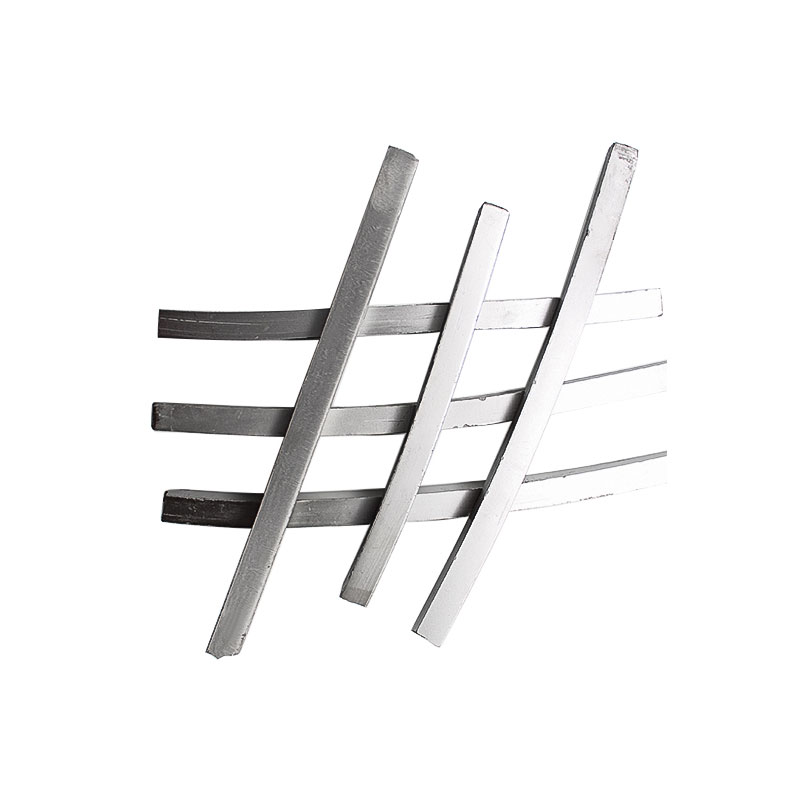
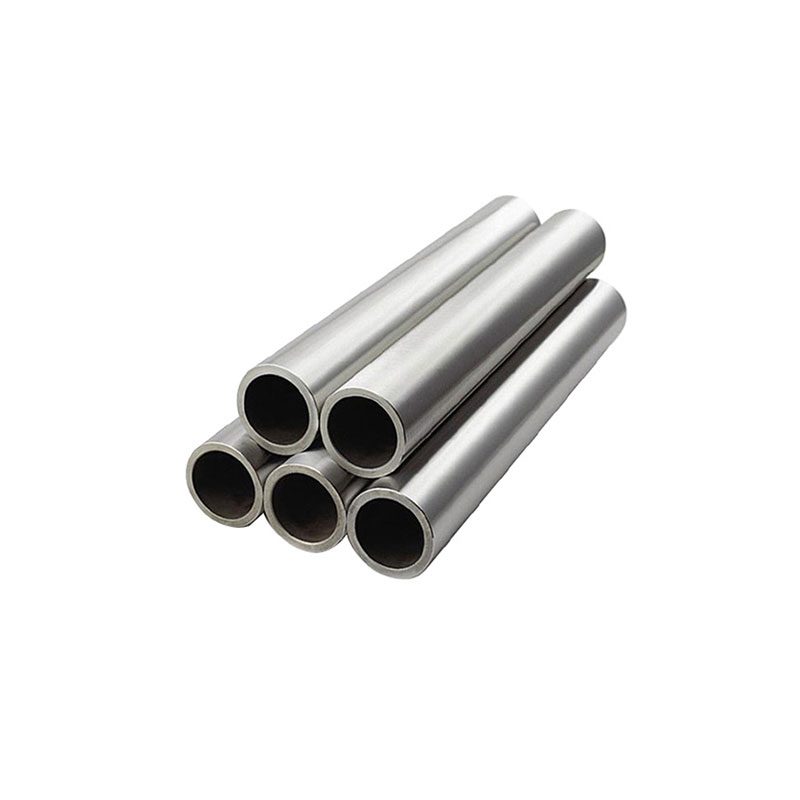
For customers looking for solid niobium products, working with experienced niobium rod manufacturers can provide access to reliable materials for industrial components and specialized applications.
The right choice depends on the manufacturing process, required material properties and final application. Steel producers typically choose ferro niobium, while advanced material industries may require powder or rod forms.
The cost of ferro niobium is influenced by several factors related to raw materials, composition and supply conditions. Understanding these factors helps buyers evaluate purchasing decisions more effectively.
| Factor | Impact |
|---|---|
| Raw Material Cost | Directly affects market price |
| Niobium Content | Higher content increases value |
| Order Quantity | Bulk orders reduce cost |
| Processing Requirements | Custom specifications increase cost |
Niobium content is a major factor affecting ferro alloys price because higher-grade materials generally require more valuable raw materials and stricter production control.
Order quantity can also influence overall purchasing costs. Larger industrial orders may benefit from better pricing efficiency, while customized specifications may increase processing requirements.
Beyond price, buyers should also consider supplier reliability, quality control systems and long-term supply capability. The lowest price does not always represent the best value if material consistency is not guaranteed.
Choosing a professional supplier is essential for industries that depend on stable refractory metal performance. HSG Metal specializes in refractory metals and provides ferro niobium and related niobium materials for global industrial customers.
The company focuses on:
Professional refractory metal supply
Customized material solutions
Strict quality inspection
Global export experience
With expertise in advanced metal materials, HSG Metal supports customers with reliable specifications, consistent quality and technical assistance throughout the purchasing process.
Whether customers require ferro niobium for steel production or other niobium materials for specialized applications, HSG Metal provides solutions designed to meet different industrial requirements.
Ferro niobium is mainly used as an alloy additive to improve the strength, toughness and corrosion resistance of steel.
Most commercial ferro niobium contains approximately 60–70% niobium.
It refines grain structure and enhances mechanical properties without significantly increasing material weight.
Yes. Ferro niobium is widely used in high-performance alloys requiring strength and reliability.
Buyers should evaluate chemical composition, particle size, purity requirements and supplier quality control.
Yes. HSG Metal supplies various refractory metal products according to customer specifications.
Ferro niobium plays an important role in modern steel manufacturing by improving strength, toughness and overall material performance. Understanding ferro niobium specification, application requirements and purchasing factors helps manufacturers select the right alloy material for their production needs.
With professional experience in refractory metals and global material supply, HSG Metal provides reliable ferro niobium and customized niobium solutions for steel manufacturers, aerospace companies and advanced industrial applications.