



Phone:
+86 15010632687
Popular Refractory Metals

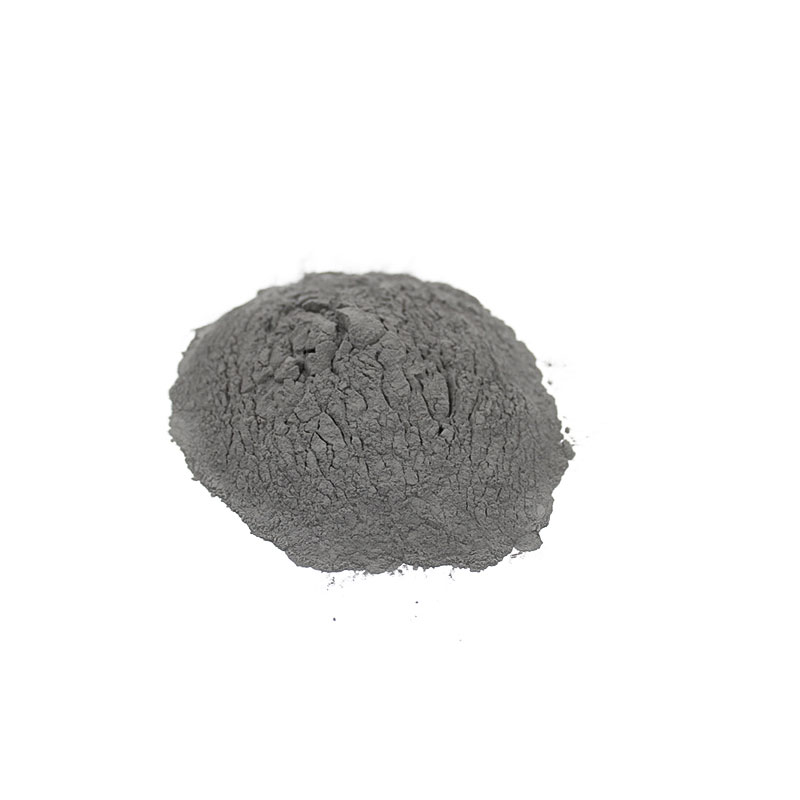
Modern industries increasingly depend on advanced materials that can deliver stable performance under demanding operating conditions. From aerospace components and electronic devices to superconducting technologies, material selection directly affects product reliability and manufacturing efficiency. Niobium metal powder has become an important refractory metal material because of its excellent corrosion resistance, alloy-strengthening ability and unique superconducting properties.
For companies involved in advanced manufacturing, understanding the characteristics, specifications and applications of niobium metal powder is essential for choosing the right material. Factors such as purity, particle size and supplier capability all influence the final performance of niobium-based products.
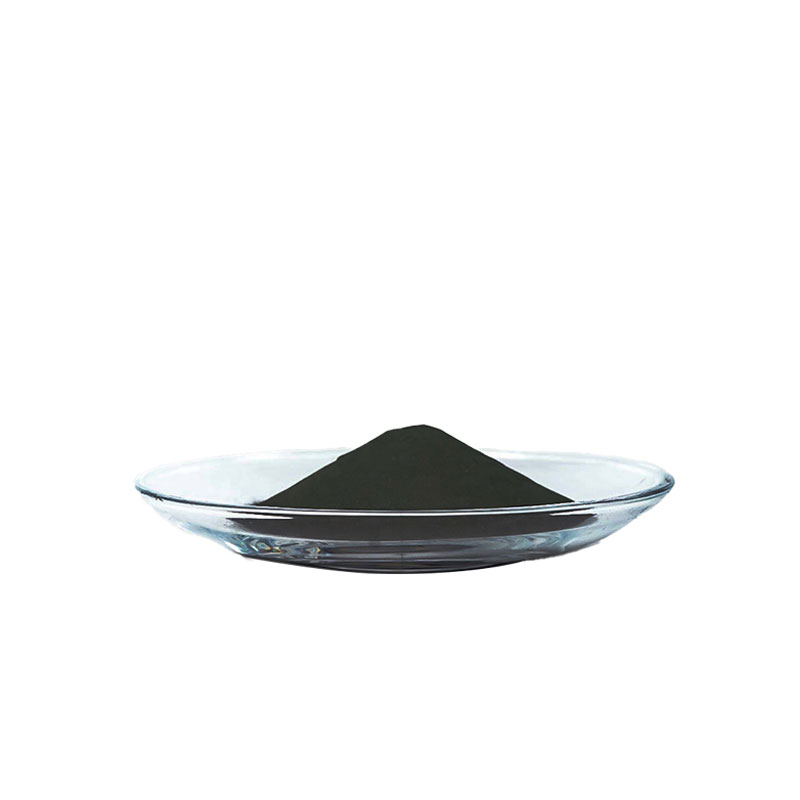
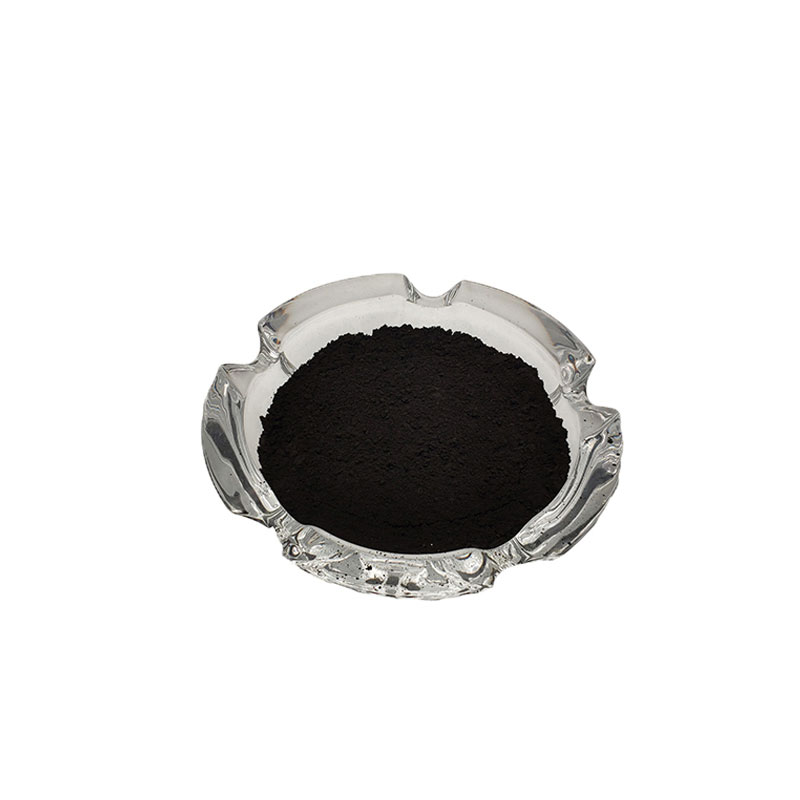
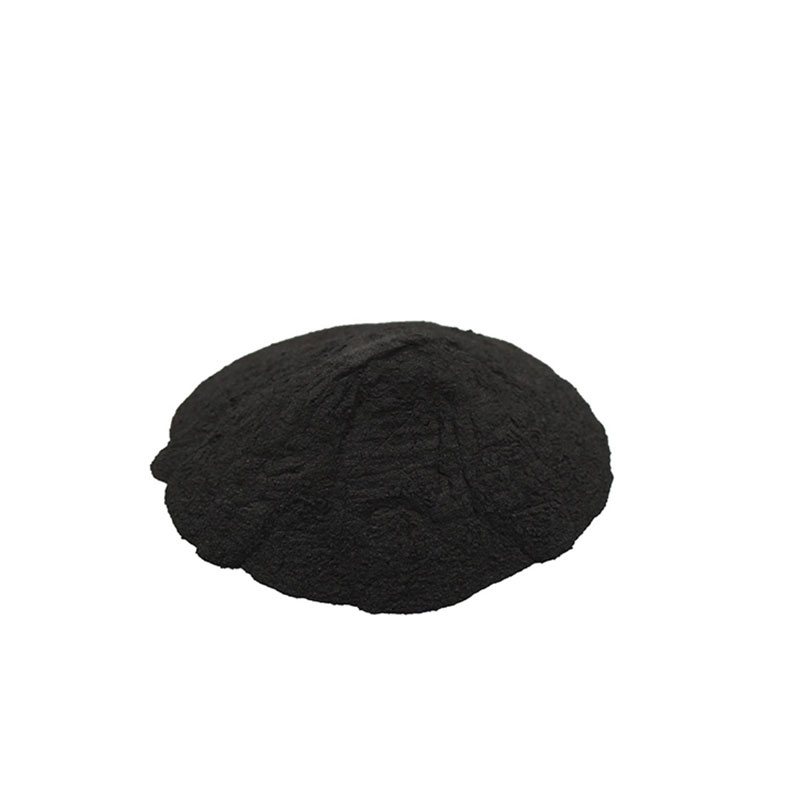
Niobium metal powder is a fine-form refractory metal material produced for applications requiring high stability, durability and specialized performance. As a transition metal, niobium offers excellent resistance to corrosion and oxidation, allowing it to maintain performance in harsh chemical and thermal environments.
One of the main advantages of niobium is its ability to improve alloy properties. When added to metal alloys, niobium can enhance strength, heat resistance and structural stability. This makes it particularly valuable in aerospace and industrial applications where materials must withstand high stress and temperature changes.
Niobium also has unique superconducting characteristics. Certain niobium-based materials can conduct electricity with extremely low resistance under specific conditions, making them suitable for superconducting equipment and advanced scientific applications.
Compared with many conventional metal materials, niobium provides a combination of lightweight performance, chemical stability and functional advantages. These properties have made it an important choice for industries developing high-performance components and next-generation technologies.
When purchasing niobium metal powder, buyers need to evaluate several specifications to ensure the material matches their manufacturing requirements. Different applications may require different powder characteristics, so understanding these factors can help avoid performance issues.
| Specification | Why It Matters |
|---|---|
| Purity | Determines performance and material reliability |
| Particle Size | Affects processing behavior and application suitability |
| Chemical Composition | Ensures compatibility with specific manufacturing processes |
| Packaging | Prevents contamination and oxidation |
Purity is one of the most important considerations. High-purity niobium powder is often required in industries such as electronics and advanced material production, where even small amounts of impurities may affect final performance.
Particle size also plays an important role because it influences powder flowability, density and processing efficiency. Different manufacturing methods, including powder metallurgy and additive manufacturing, may require different particle size ranges.
Chemical composition control ensures that the material performs consistently in specific applications. Professional suppliers usually provide detailed material information and quality inspection reports to support customer evaluation.
In addition, proper packaging is essential for maintaining powder quality during transportation and storage. Reliable niobium podwer distributor options should provide suitable packaging solutions to protect the material from environmental impact.
The unique properties of niobium make it suitable for a wide range of industrial applications.
In aerospace manufacturing, niobium is commonly used as an alloying element to improve mechanical strength and temperature resistance. Niobium-containing alloys can maintain reliable performance in environments involving high loads and temperature fluctuations.
Niobium plays an important role in electronic and superconducting applications due to its electrical properties. It is used in specialized components and scientific equipment where stable performance and precise material characteristics are required.
Because of its excellent corrosion resistance and compatibility with certain medical environments, niobium materials are also considered for medical-related applications. In advanced manufacturing, niobium powder supports the production of specialized components requiring high material reliability.
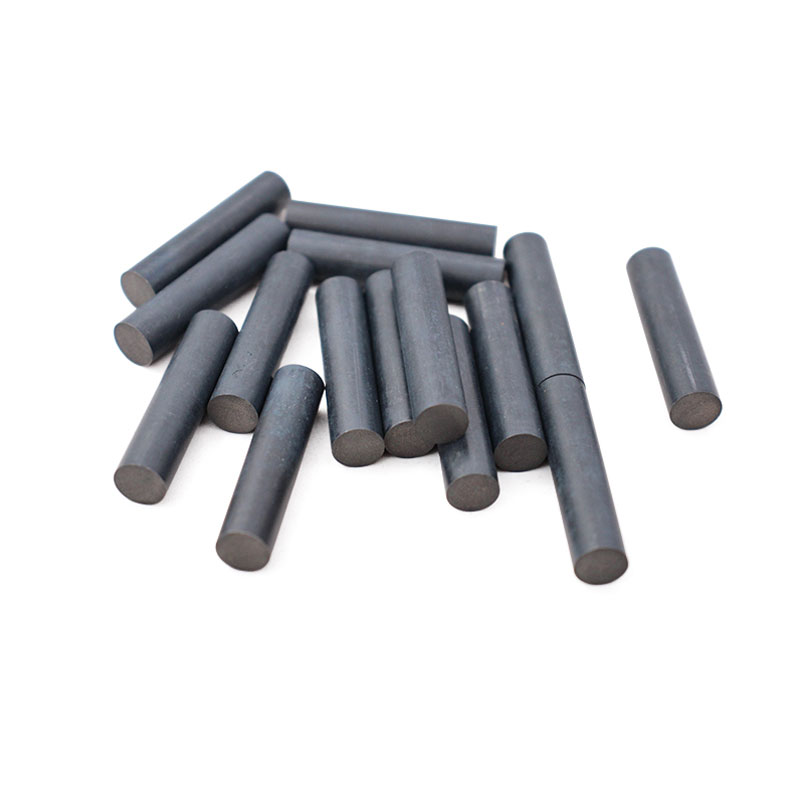
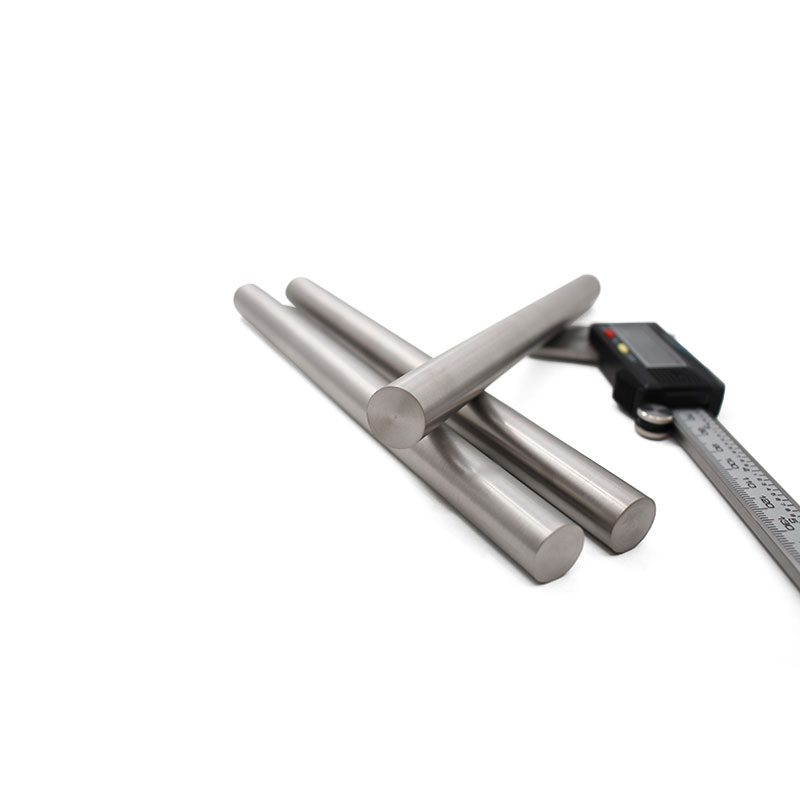
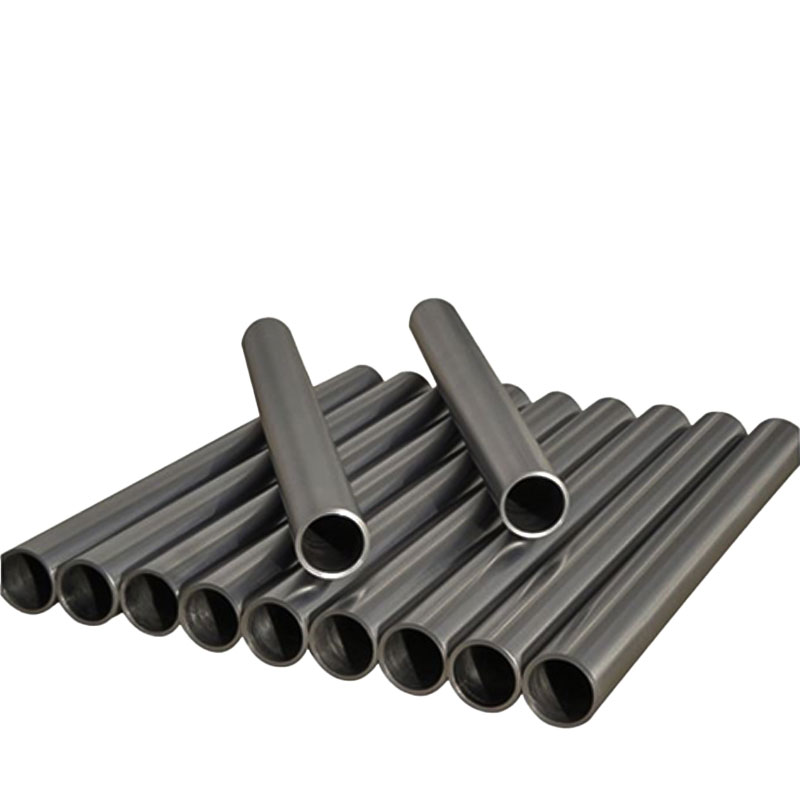
For businesses sourcing refractory materials, working with experienced niobium rod manufacturers and powder suppliers can help ensure consistent quality across different product forms.
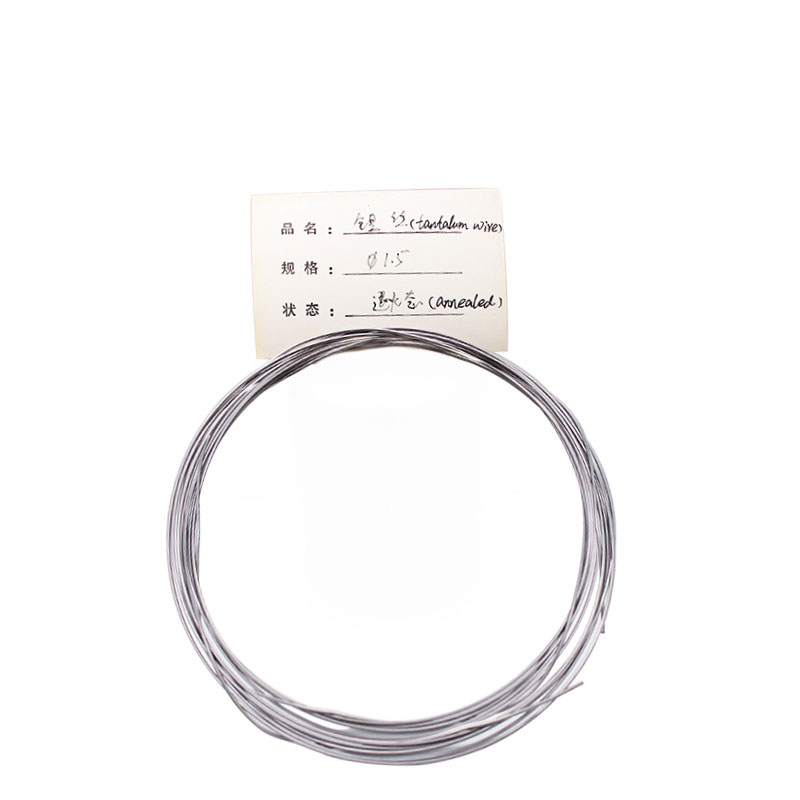
Niobium and tantalum are both refractory metals with excellent corrosion resistance and high-temperature stability. However, they have different characteristics and are often selected for different industrial purposes.
| Item | Niobium Powder | Tantalum Powder |
|---|---|---|
| Density | Lower | Higher |
| Cost | Generally lower | Higher |
| Application | Alloy and superconducting materials | Capacitors and corrosion-resistant components |
Niobium is often preferred when manufacturers need lightweight properties, alloy improvement or superconducting performance. Tantalum, meanwhile, is widely used in applications where extreme corrosion resistance and electrical performance are required, especially in electronic capacitor manufacturing.
When comparing materials from different tantalum powder suppliers, buyers should consider application requirements rather than focusing only on material pricing. The right choice depends on factors such as operating environment, performance expectations and production process.
Selecting a reliable supplier is an important step when purchasing refractory metal materials. HSG Metal specializes in refractory metals and provides niobium products designed for industrial applications that require consistent quality and dependable performance.
With professional experience in metal material production, HSG Metal focuses on quality assurance, customized specifications and stable supply capabilities. The company supports customers who require different powder characteristics, helping them select suitable materials for aerospace, electronics and advanced manufacturing applications.
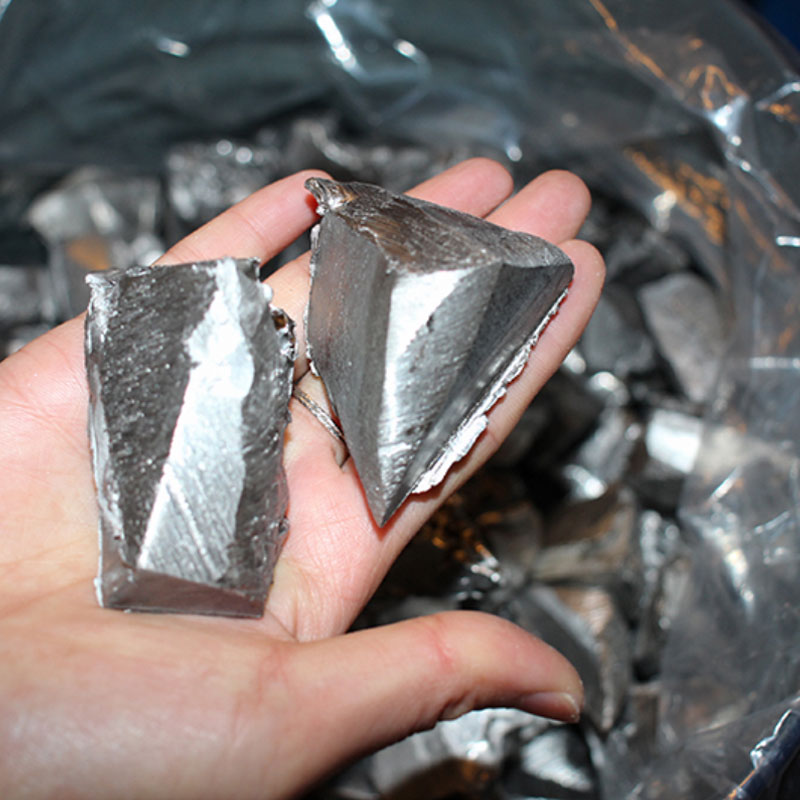
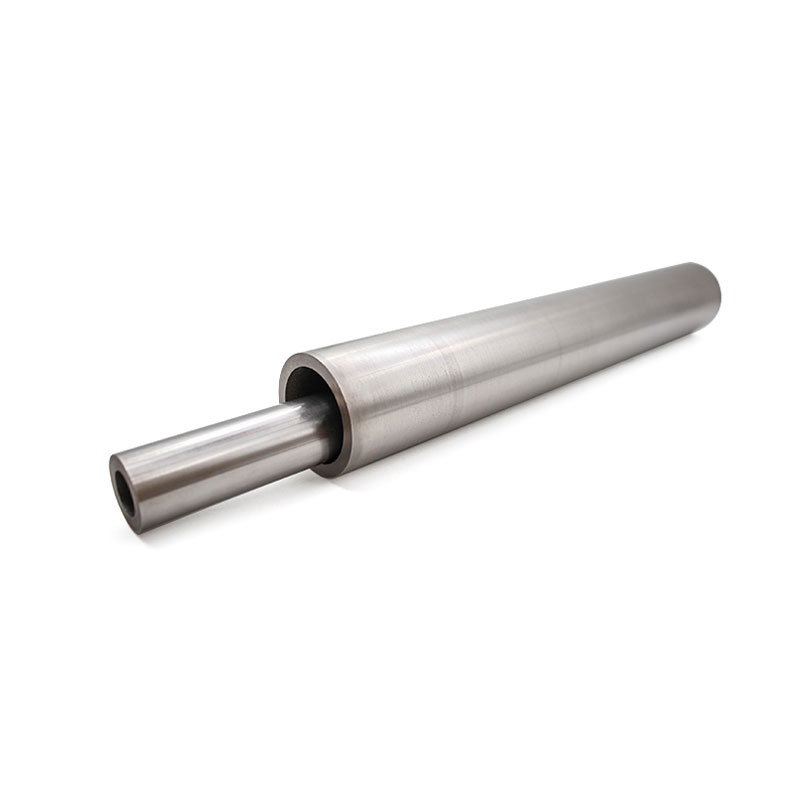
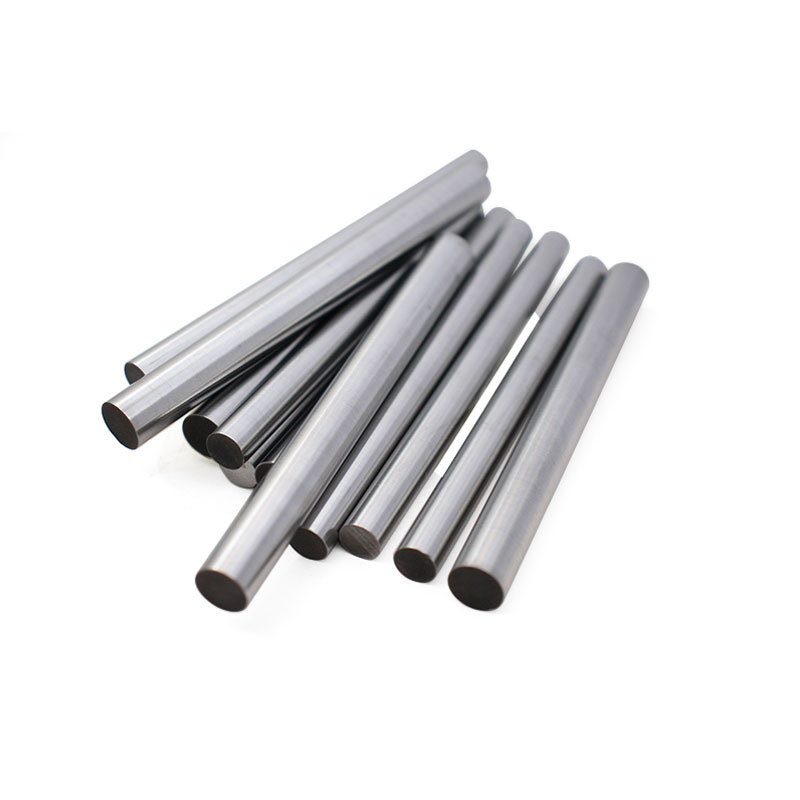
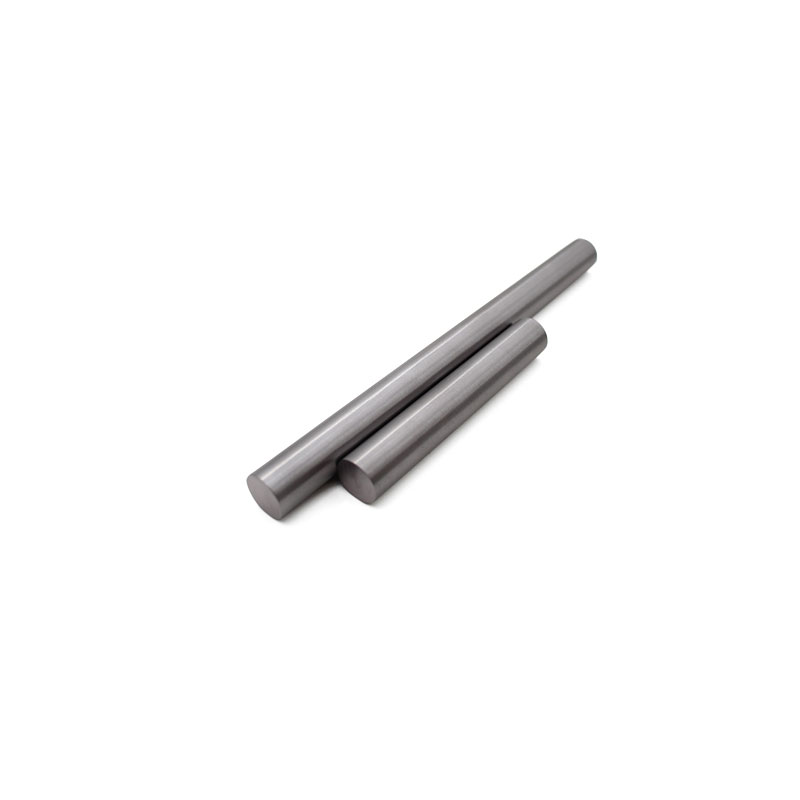
Beyond niobium metal powder, HSG Metal also provides related refractory metal products, including niobium rods and other specialized materials. This allows customers to access different material solutions based on their production needs.
For companies evaluating suppliers, factors such as material consistency, technical support and customization capability are essential for long-term cooperation.
Proper storage and handling help maintain the quality and performance of niobium powder. Although niobium has strong corrosion resistance, powder materials require careful management because their larger surface area can increase sensitivity to environmental conditions.
Niobium powder should be stored in clean, dry environments with appropriate packaging protection. Avoiding moisture, contamination and unnecessary exposure to air helps preserve its original characteristics.
During handling, manufacturers should follow suitable industrial procedures to prevent material loss and maintain powder quality. Proper storage practices not only protect the material but also contribute to more stable manufacturing results.
Niobium powder is widely used in aerospace alloys, electronics, superconducting materials, medical applications and advanced manufacturing.
Different purity levels are available depending on application requirements. High-purity options are commonly used for sensitive industrial processes.
Yes. Niobium has excellent corrosion resistance and can maintain stability in many chemical environments.
Niobium powder is typically packaged with protection against moisture, contamination and oxidation to maintain material quality.
Yes. HSG Metal can provide customized niobium powder specifications according to customer application requirements.
Niobium is generally lighter and commonly used for alloy strengthening and superconducting applications, while tantalum is often selected for capacitors and highly corrosion-resistant components.
As advanced industries continue to demand stronger and more reliable materials, niobium metal powder has become an important solution for aerospace, electronics and high-performance manufacturing applications. Its corrosion resistance, alloy-enhancing capability and superconducting properties make it suitable for a wide range of industrial uses.
Choosing the right purity, particle size and supplier is essential for achieving stable results. With professional refractory metal expertise, HSG Metal provides reliable niobium metal powder and customized material solutions to support global customers in developing high-quality products.