Phone:
+86 15010632687
Popular Refractory Metals

Selecting the right tungsten wire is more than choosing a diameter or purity level. Operating temperature, working atmosphere, mechanical stress, and manufacturing processes all directly influence performance and service life. Choosing the wrong specification can lead to premature failure, unstable heating, increased maintenance costs, or compromised process quality.
This comprehensive tungsten wire selection guide walks engineers and procurement professionals through a step-by-step decision process — from application requirements to supplier selection — helping you match material, grade, diameter, and surface condition to your specific needs.
| Application | Primary Requirement |
|---|---|
| Vacuum Furnace | High-temperature stability & low vapor pressure |
| Heating Element | Electrical resistance & thermal stability |
| Lamp Filament | Anti-sag performance & thermal cycling resistance |
| Electron Tube | High purity & consistent emission |
| Semiconductor Equipment | Dimensional consistency & contamination control |
| Laboratory Equipment | Stable performance & reliability |
Different applications place completely different priorities on the wire. Clearly defining yours is the foundation of successful tungsten wire selection.
Pure tungsten wire performs exceptionally well in vacuum due to its low vapor pressure and minimal outgassing. It is widely used in vacuum furnaces and tungsten semiconductor applications.
Many high-temperature applications use hydrogen protection. Pure tungsten grades generally perform well, but attention must be paid to potential embrittlement at certain temperatures.
Tungsten oxidizes rapidly in air at high temperatures. Protective coatings or inert gas shielding are usually required. Doped grades may offer better short-term resistance in some cases.
Applications involving induction or high-frequency heating require consideration of electrical resistivity and skin effect, often favoring specific diameters and surface conditions.
| Material | Best For |
|---|---|
| Pure Tungsten Wire | General high-temperature applications, vacuum, semiconductor |
| Doped Tungsten Wire | Filament manufacturing, thermal cycling |
| Tungsten Alloy Wire | Applications requiring enhanced mechanical strength or ductility |
Avoid choosing pure tungsten wire when significant thermal cycling or mechanical vibration is present — doped variants often deliver longer life in those conditions.
| Requirement | Recommended Grade |
|---|---|
| High Purity | W1 |
| General Heating | W2 |
| Lighting Industry | WAL1 |
| Long-Life Components | WAL2 |
For detailed grade explanations, refer to our Tungsten Wire Grades Guide: W1, W2, WAL1 and WAL2.
Why Diameter Matters: Wire diameter directly affects electrical resistance, heating efficiency, mechanical strength, and flexibility.
| Smaller Diameter | Larger Diameter | |
|---|---|---|
| Resistance | Higher | Lower |
| Heating Speed | Faster | Slower |
| Strength / Lifetime | More fragile | Better durability |
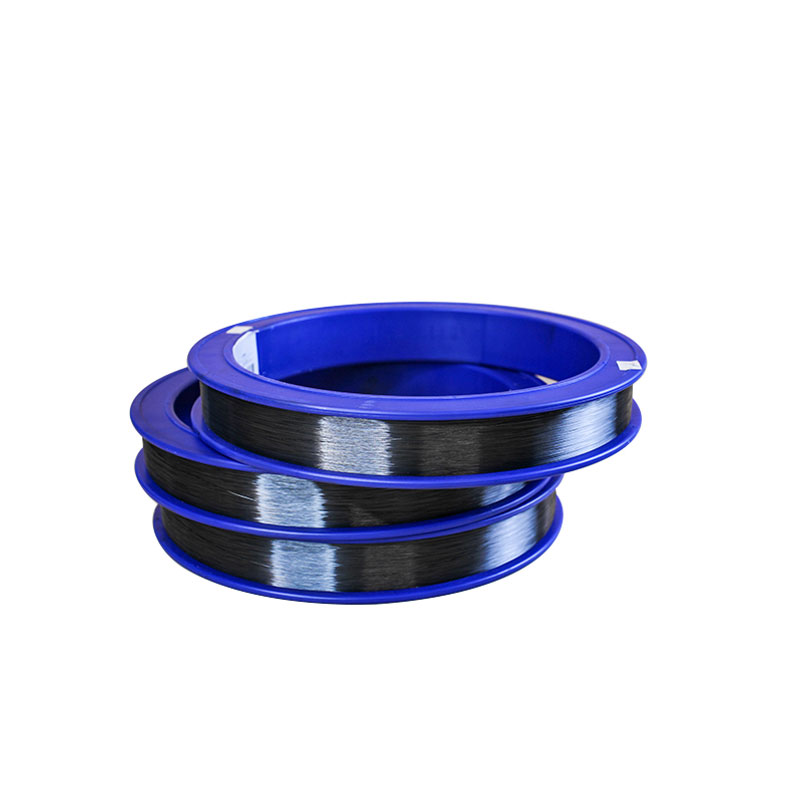
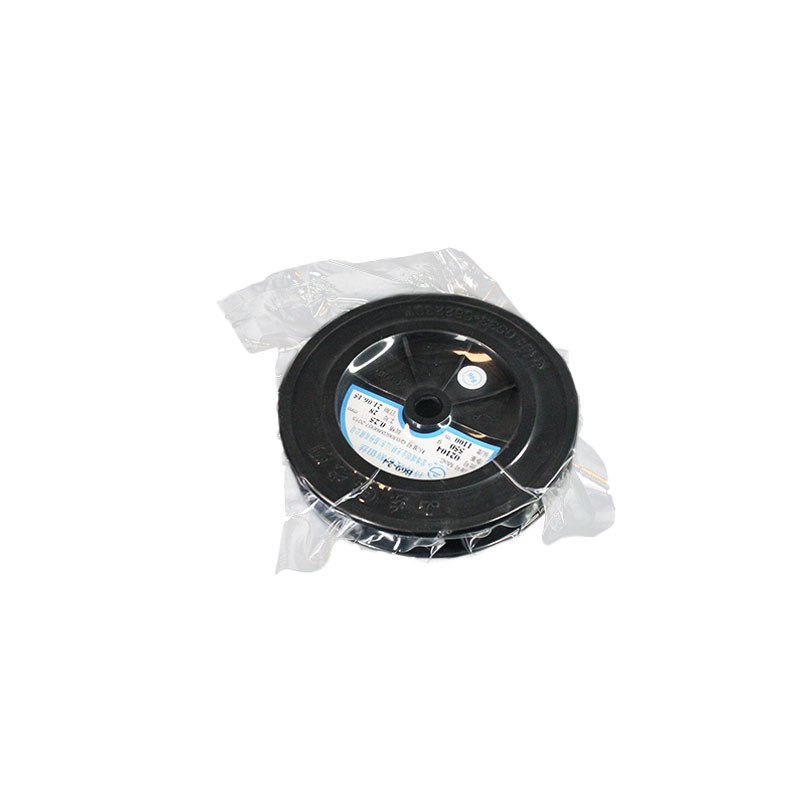
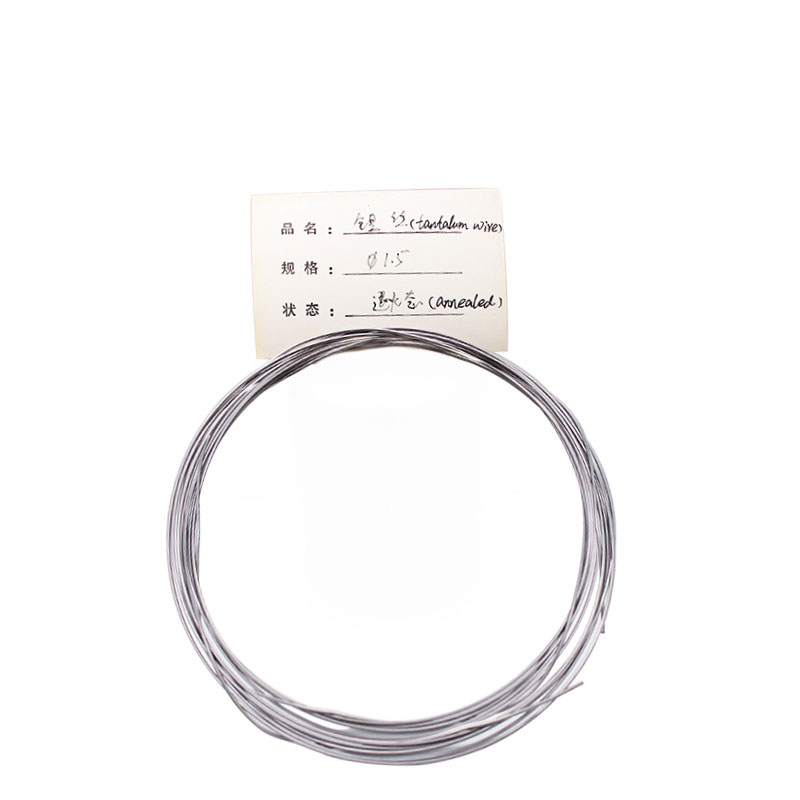
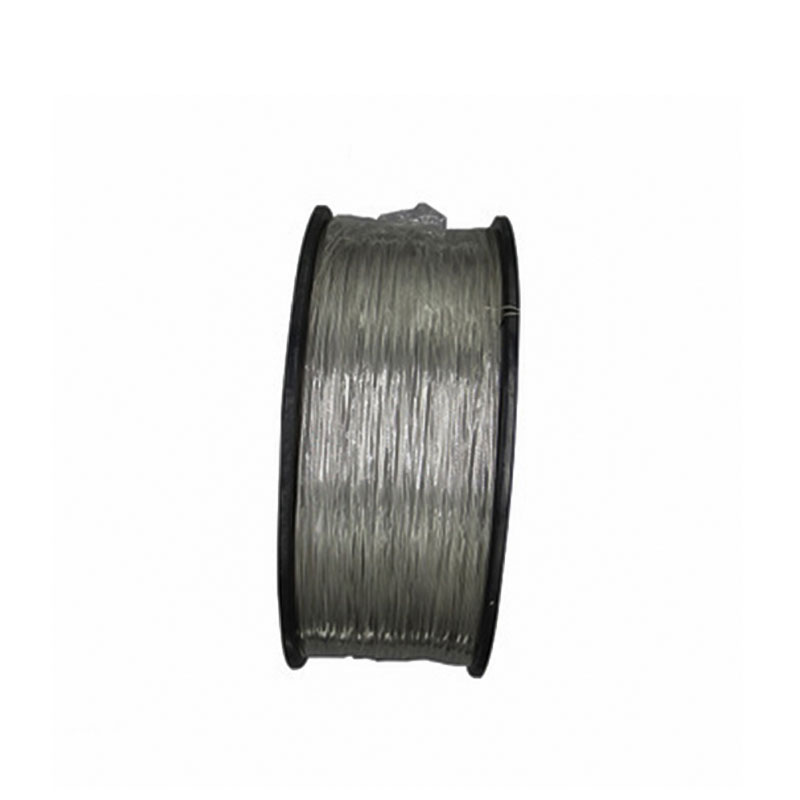
Black Tungsten Wire: Retains a graphite lubricant layer from drawing. Ideal for further processing, coiling, or drawing operations.
Cleaned Tungsten Wire: Acid-washed for smooth, bright surface. Preferred for electronic components, vacuum equipment, and applications requiring high cleanliness and precise electrical contact.
Key factors include tight diameter tolerance (critical for resistance consistency), straightness (important for automatic winding), absence of surface defects, and batch-to-batch consistency. These directly impact yield rates and final product reliability in production environments.
Relying only on purity while ignoring grain structure and recrystallization behavior.
Overlooking operating temperature range and thermal cycling patterns.
Selecting incorrect diameter, which alters resistance and heating characteristics dramatically.
Using standard off-the-shelf products for highly customized equipment instead of tailored solutions.
Consider custom specifications when you need special diameters, tight tolerances, long continuous lengths, unique surface finishes, or specialized packaging. Custom tungsten wire often delivers better overall value for demanding industrial applications.
HSG Metal provides comprehensive engineering support for material selection and optimization. As an experienced pure tungsten wire factory, we rely on a stable manufacturing process — from high-purity powder preparation to precision drawing and rigorous inspection — to ensure consistent quality. We support custom diameters, lengths, tolerances, surface conditions, and packaging with strong global export experience.
Contact us for expert recommendations tailored to your pure tungsten wire or doped wire requirements.
| Application | Recommended Material | Grade | Surface | Priority |
|---|---|---|---|---|
| Vacuum Furnace | Pure Tungsten | W1 | Cleaned | High Purity |
| Heating Element | Pure Tungsten | W2 | Black / Cleaned | Stable Resistance |
| Lamp Filament | Doped Tungsten | WAL1 | Cleaned | Anti-Sag |
| Electron Tube | Pure Tungsten | W1 | Cleaned | Dimensional Stability |
| Semiconductor Equipment | Pure Tungsten | W1 | Cleaned | High Precision |
Balance required electrical resistance, mechanical strength, and heating characteristics. Smaller diameters heat faster but are more fragile; larger ones offer better durability.
W1 or W2 pure tungsten grades are typically recommended for most heating element applications.
Yes — pure tungsten wire (especially W1) is the preferred material for vacuum furnace heating elements due to its high purity and stability.
Black wire retains a graphite layer beneficial for further processing, while cleaned wire offers a smooth, high-purity surface ideal for electronic and vacuum uses.
Yes. Custom diameters, tolerances, lengths, and surface conditions are available for specialized applications.
Looking for high-quality solutions? Contact HSG Metal — your reliable pure tungsten wire China factory wholesale partner for expert guidance and premium tungsten wire products.