

Phone:
+86 15010632687
Popular Refractory Metals

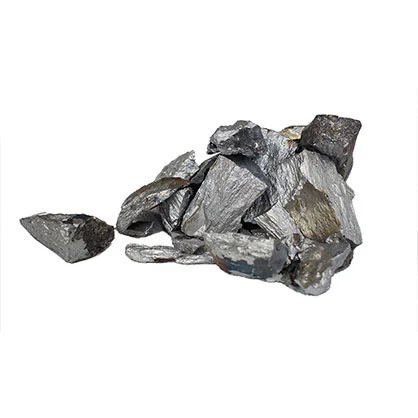
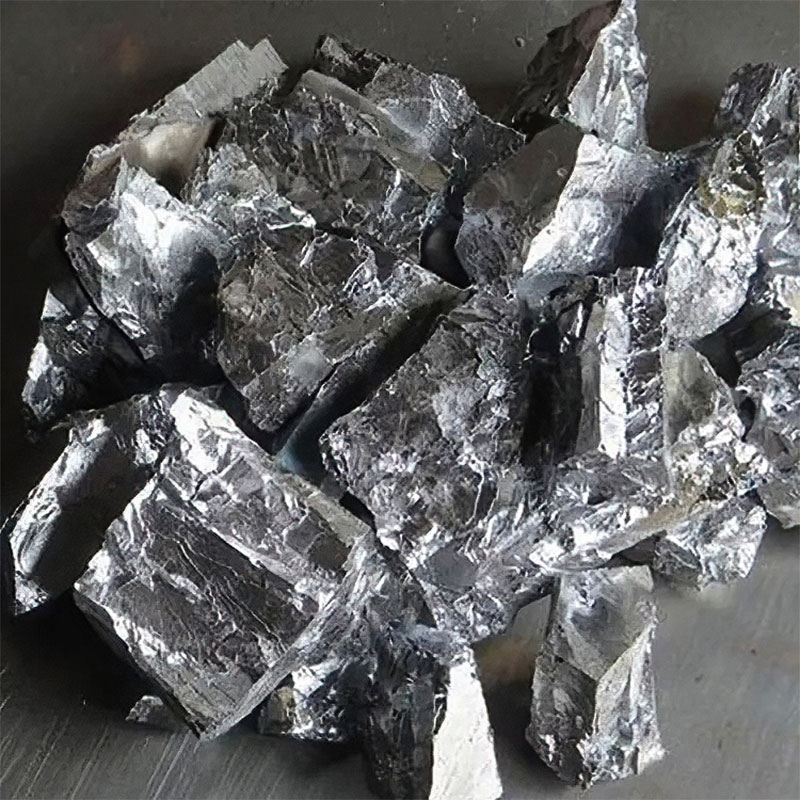
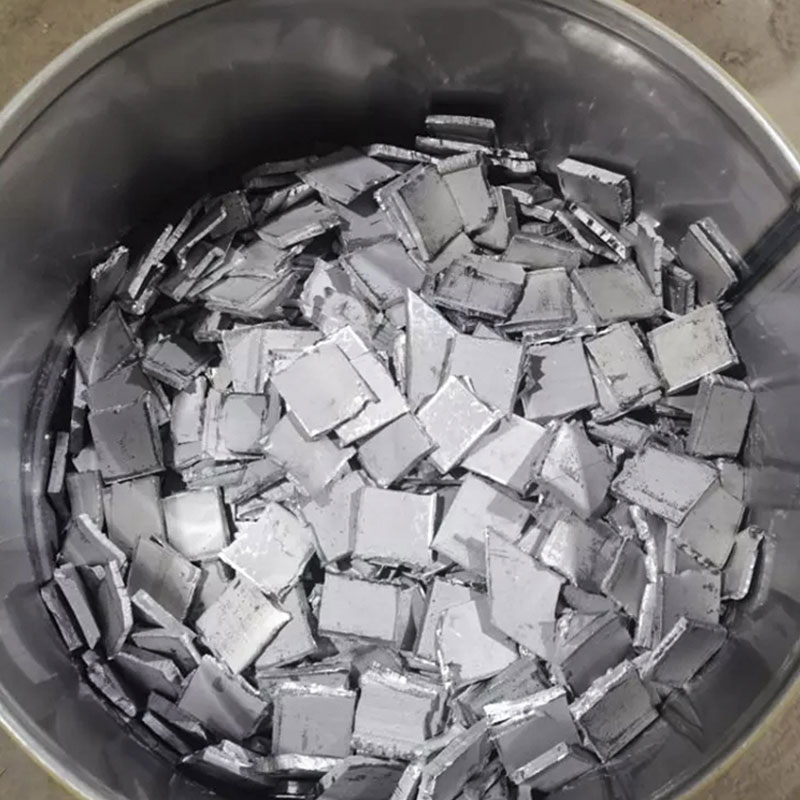
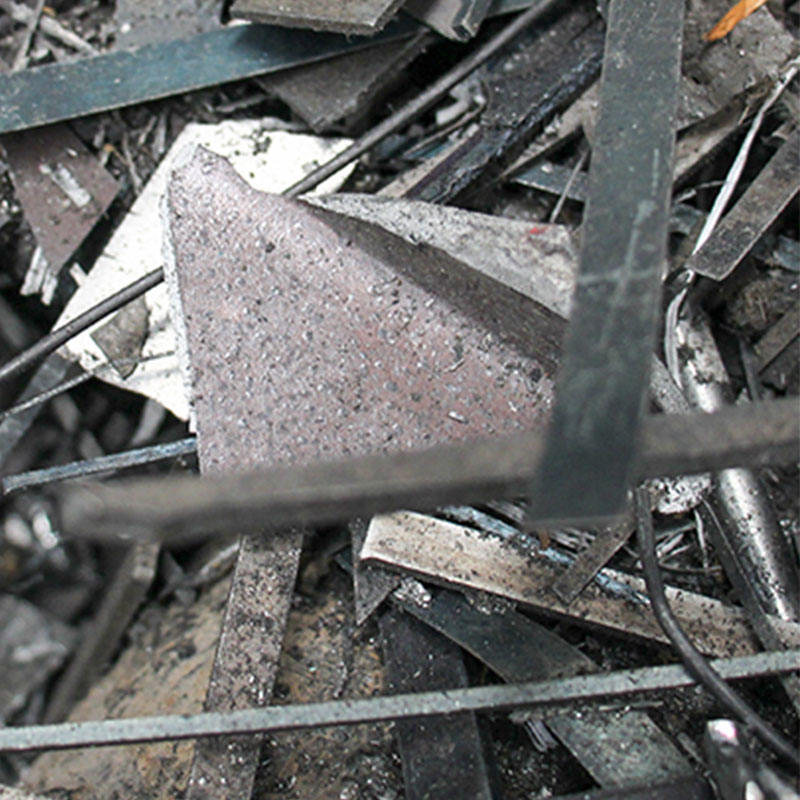
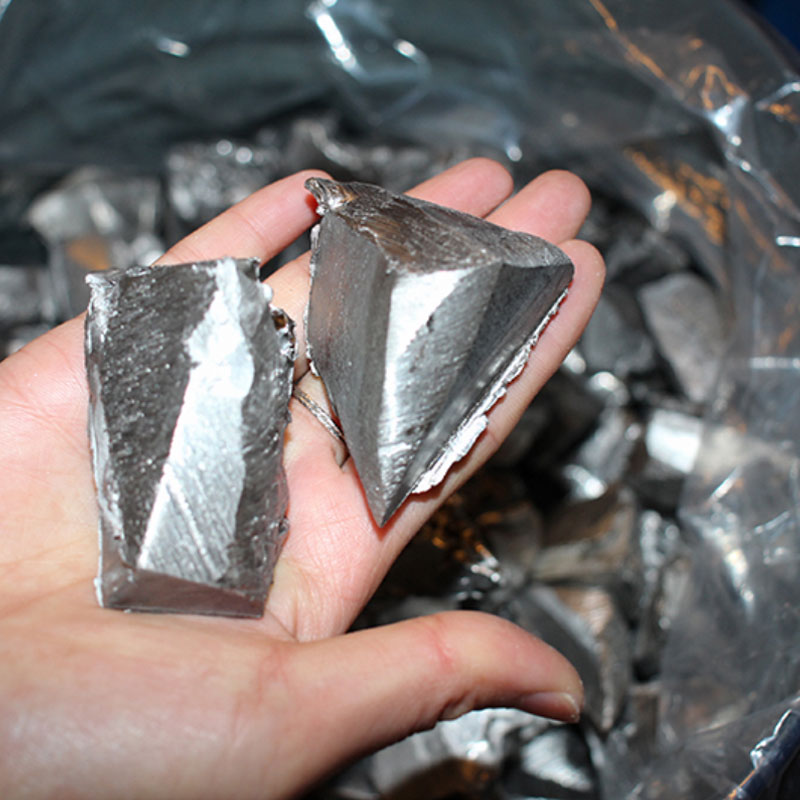
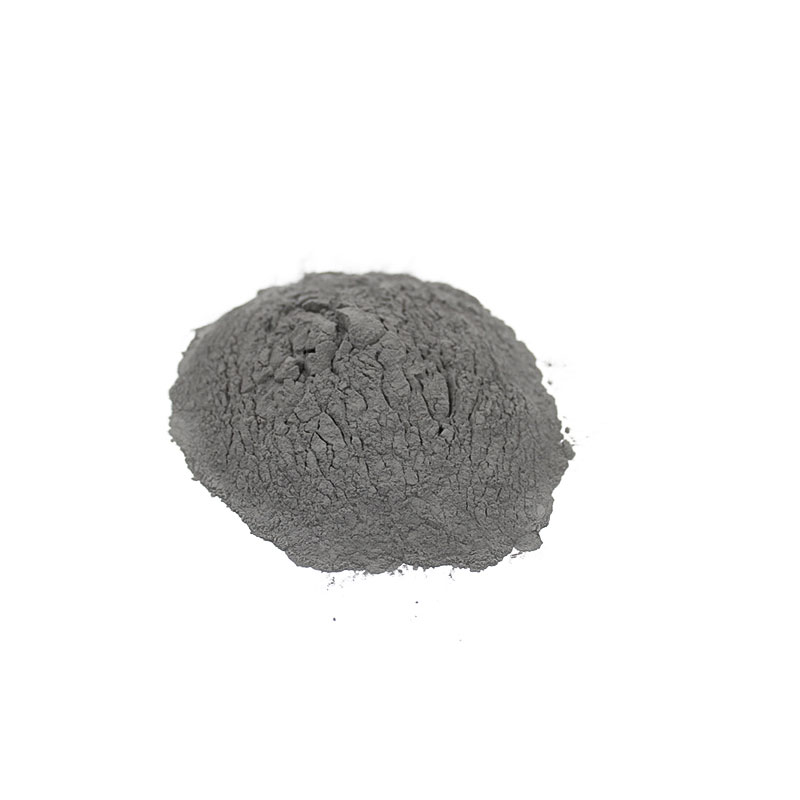
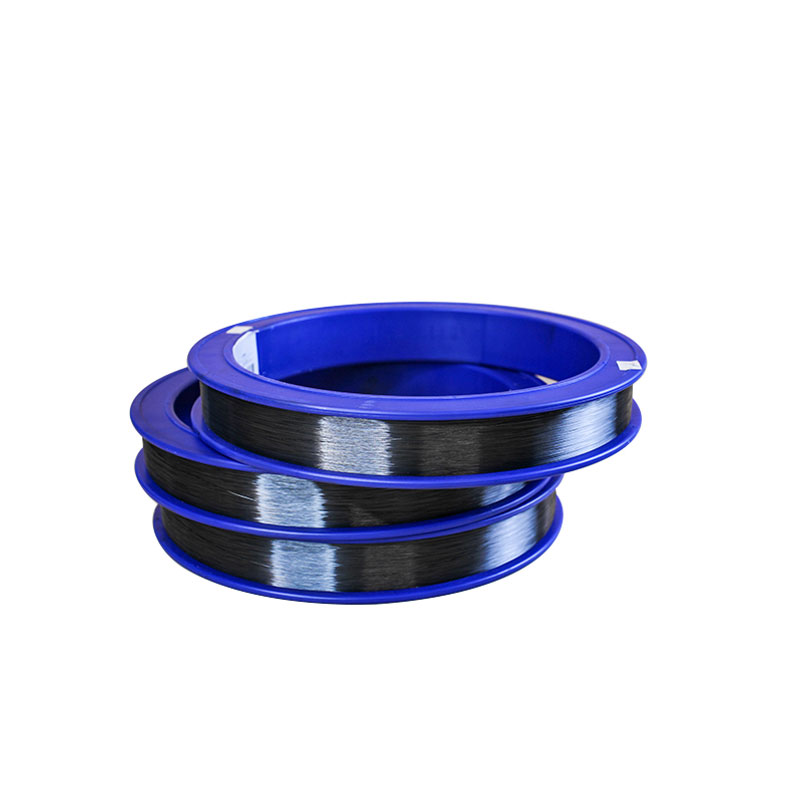
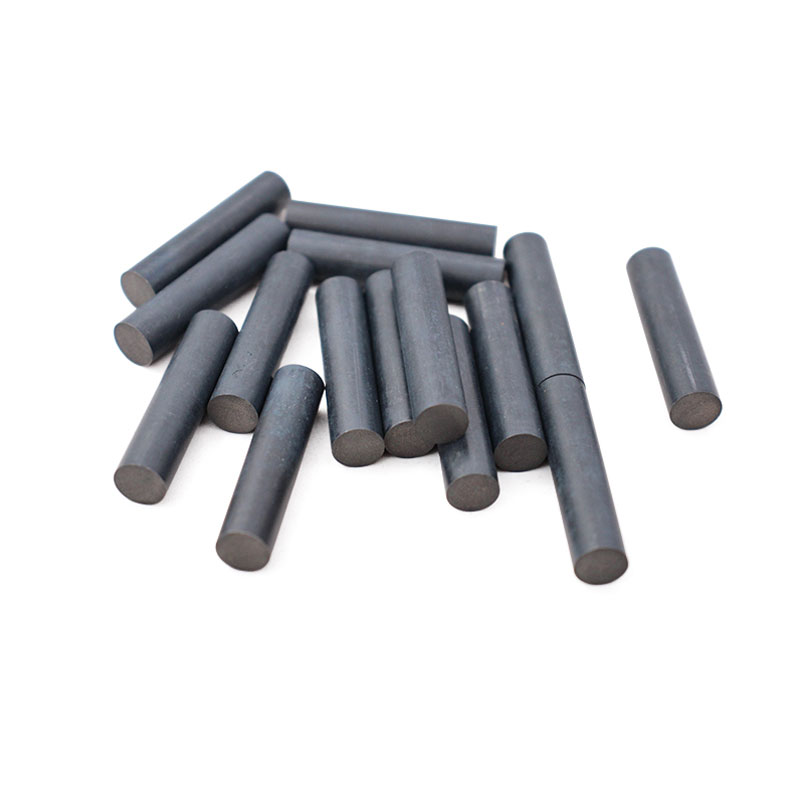
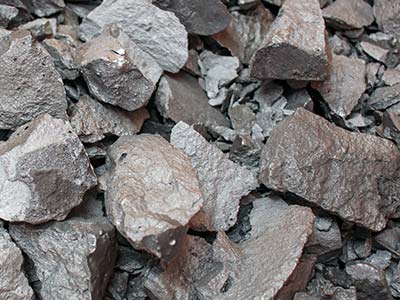
In the dynamic world of electronics manufacturing, materials that offer durability, conductivity, and sustainability are prized. Tungsten, a robust and versatile metal, has emerged as a key player in this industry, with its scrap finding new life in various electronic applications. This blog delves into the innovative ways tungsten scrap metal is shaping the future of electronics manufacturing.
At the heart of many electronic devices lies the humble silicon wafer, a critical component in semiconductor manufacturing. Tungsten, known for its high melting point and thermal conductivity, plays a pivotal role in the production of these wafers. By repurposing tungsten scrap metal, manufacturers contribute not only to resource conservation but also to the production of efficient and reliable electronic components.
As electronics continue to shrink in size while increasing in complexity, precision engineering becomes paramount. Tungsten carbide scrap, derived from tungsten scrap metal, is a key material in the production of cutting tools used in microelectronics manufacturing. Its hardness and wear resistance make it an ideal choice for crafting intricate components, ensuring the reliability and longevity of electronic devices.
The conductivity of tungsten makes it an excellent choice for electrical contacts in various electronic applications. Whether in switches, relays, or connectors, tungsten's low electrical resistivity ensures efficient electrical flow. By utilizing tungsten scrap metal in the production of these components, electronics manufacturers contribute to sustainable practices while maintaining the high performance demanded by modern technology.
The rising challenge of electronic waste (e-waste) has spurred efforts to find sustainable solutions. Tungsten, sourced from recycled electronic components, finds its way into circuit boards. Its heat resistance and reliability make it an ideal material for ensuring the longevity and efficiency of electronic circuits, transforming e-waste into a valuable resource.
As the electronics industry strives to meet environmental and sustainability goals, the use of tungsten scrap metal aligns with these objectives. By incorporating recycled tungsten into manufacturing processes, companies reduce their reliance on virgin materials and contribute to a circular economy. This shift not only conserves resources but also minimizes the environmental impact associated with traditional extraction methods.
In conclusion, the integration of tungsten scrap metal into electronics manufacturing represents a promising step toward a more sustainable and efficient future. From silicon wafers to circuit boards, tungsten's versatility and resilience make it a valuable asset in the quest for technological innovation. As the electronics industry continues to evolve, the role of tungsten scrap metal in shaping cutting-edge devices underscores its significance in the ongoing journey towards a greener and more sustainable tomorrow.