

Phone:
+86 15010632687
Popular Refractory Metals

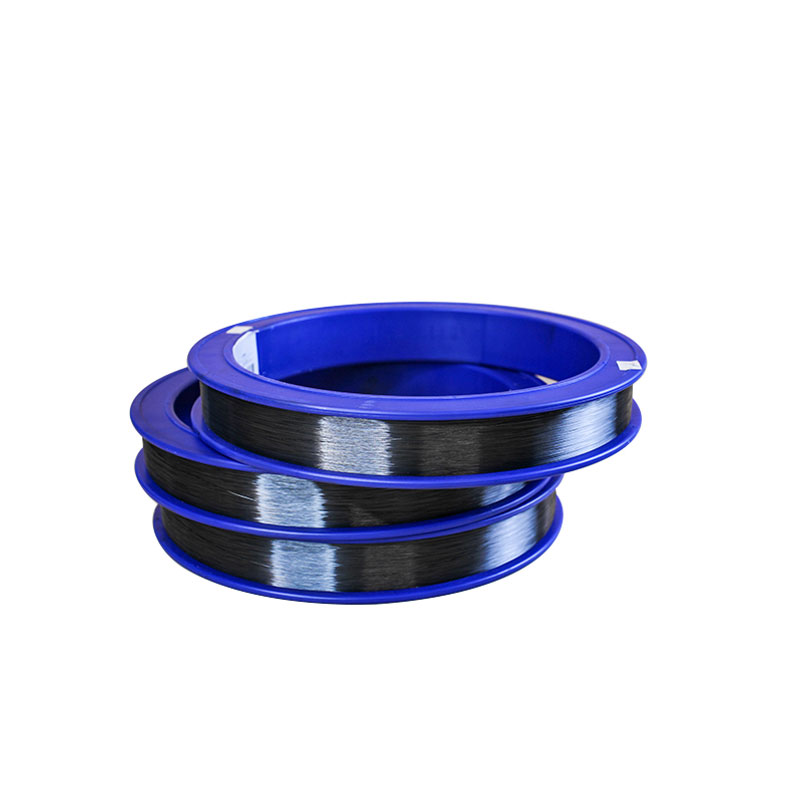
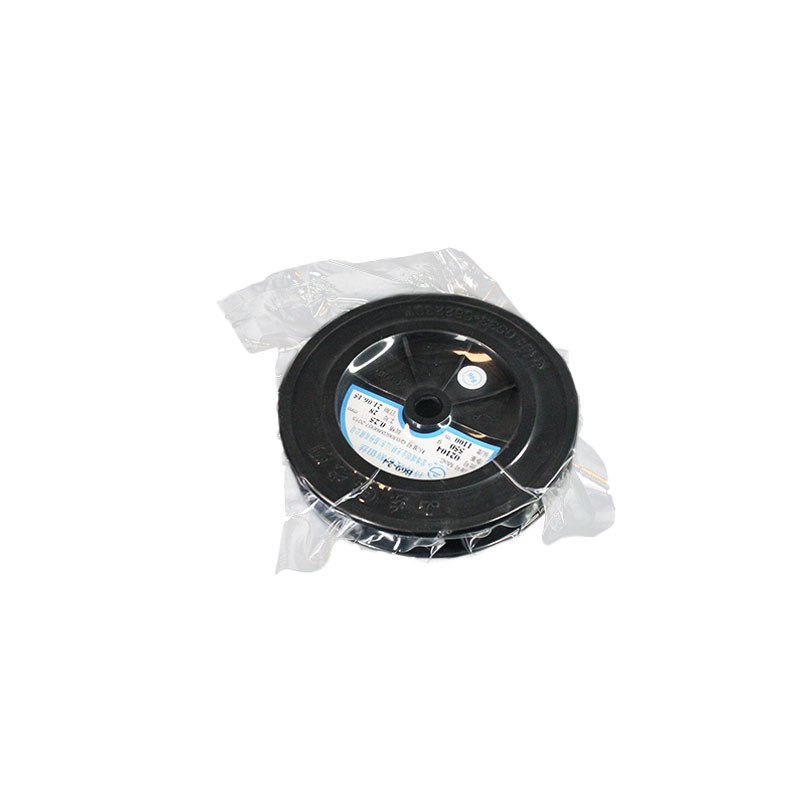
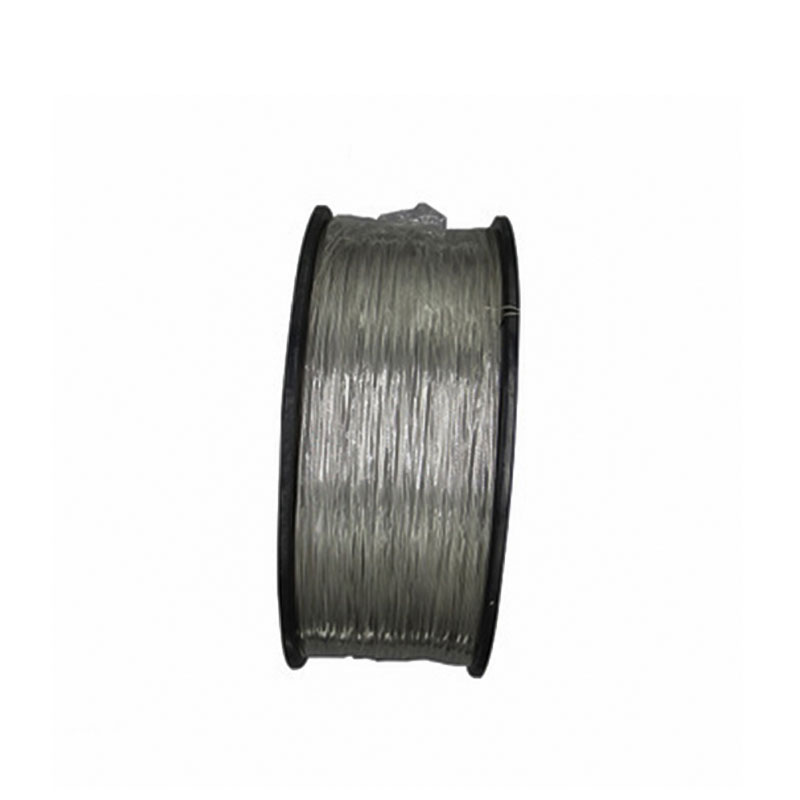
Pure tungsten wire and tungsten alloy wire are both high-performance materials widely used in high-temperature industrial applications, but they offer distinct advantages in temperature resistance, ductility, mechanical strength, and service life. Pure tungsten wire excels in ultra-high-temperature and vacuum environments due to its exceptional purity and stability, while tungsten alloy wire (including doped and specialized variants) provides enhanced ductility, vibration resistance, and recrystallization performance for more demanding mechanical conditions.
Choosing the right material can significantly impact equipment reliability, maintenance costs, and process efficiency. Pure tungsten wire is generally preferred for maximum heat resistance and contamination-sensitive applications, whereas tungsten alloy wire is often selected when improved flexibility, anti-sag properties, or longer service life under cycling conditions is required. This guide provides engineers and procurement professionals with a clear comparison to make informed decisions for high-temperature wire needs.
Pure tungsten wire is manufactured from tungsten powder with a minimum purity of ≥99.95% tungsten content. Produced through advanced powder metallurgy — including pressing, sintering, swaging, and precision drawing — it maintains minimal impurities. This high purity ensures consistent performance in critical environments where even trace contaminants could affect results.
Pure tungsten wire features the highest melting point of any metal at 3422°C, extremely low vapor pressure, high electrical resistance, and excellent thermal stability. It retains strength at elevated temperatures, offers low thermal expansion, and demonstrates superior corrosion resistance in vacuum or inert atmospheres.
| Industry | Application |
|---|---|
| Vacuum Furnace | Heating Elements |
| Semiconductor | Evaporation Sources |
| Electronics | Electron Emission Components |
| Laboratory Equipment | High Temperature Systems |
Tungsten alloy wire includes variants enhanced with specific additives:
Potassium Doped Tungsten (e.g., WAL1, WAL2): Improves non-sag and creep resistance.
Tungsten-Rhenium Alloys: Enhances ductility and high-temperature strength.
Rare Earth Doped Tungsten: Boosts recrystallization temperature and overall durability.
Alloying modifies the grain structure of tungsten, significantly improving ductility, anti-sag properties, vibration resistance, and recrystallization resistance. These enhancements allow the wire to withstand repeated thermal cycling and mechanical stress better than pure tungsten in certain applications, often resulting in extended service life despite a slight trade-off in maximum operating temperature.
| Alloy Type | Application |
|---|---|
| Potassium Doped | Lamp Filaments |
| Tungsten-Rhenium | Thermocouples, Aerospace Components |
| Specialty Alloys | Medical Devices, High-Stress Industrial Uses |
| Property | Pure Tungsten Wire | Tungsten Alloy Wire |
|---|---|---|
| Tungsten Content | ≥99.95% | Lower (depends on alloying) |
| Melting Point | Extremely High (3422°C) | Slightly Lower |
| High Temperature Strength | Excellent | Excellent |
| Ductility | Moderate | Better |
| Recrystallization Resistance | Standard | Improved |
| Vibration Resistance | Moderate | Better |
| Service Life | Long | Longer in cycling applications |
| Cost | Lower | Higher |
This comparison highlights why material selection is critical for high-temperature wire performance.
Pure tungsten wire retains superior strength and maintains extremely low vapor pressure at temperatures above 2000°C, making it ideal for continuous ultra-high-temperature exposure. Tungsten alloy wire performs excellently but may show slight differences in long-term evaporation rates depending on the alloying elements.
Potassium-doped tungsten alloy wire significantly outperforms pure tungsten in anti-sag properties. The dopants pin grain boundaries, preventing weakening and deformation during prolonged high-temperature operation — crucial for lighting filaments and heating elements subject to thermal cycling.
In vacuum furnaces and semiconductor processes, pure tungsten wire is often the superior choice due to minimal outgassing and highest purity, making it suitable for advanced tungsten semiconductor applications.
Recommendation: Pure Tungsten Wire
Its unmatched purity and heat resistance ensure reliable performance and minimal contamination in vacuum environments.
Recommendation: Doped Tungsten Wire
Superior anti-sag and shock resistance extend filament lifespan under rapid heating/cooling cycles.
Recommendation: Tungsten-Rhenium Alloy Wire
Excellent thermoelectric stability at extreme temperatures makes it the standard for high-accuracy measurements.
Recommendation: Pure Tungsten Wire
Strict contamination control requirements favor the highest purity grades.
Ultra-high continuous temperatures favor pure tungsten wire.
Alloy wires with better ductility are preferred.
Pure tungsten excels in vacuum; alloys may suit atmospheric use better in some cases.
Consider total cost of ownership including downtime and replacements.
| Requirement | Recommended Material |
|---|---|
| Highest Purity / Vacuum Furnace | Pure Tungsten Wire |
| Better Flexibility / Anti-Sag | Alloy Wire (Doped) |
| Lamp Filament | Doped Tungsten Wire |
| Thermocouple | Tungsten-Rhenium |
The right choice of tungsten wire reduces costly downtime, lowers replacement frequency, and ensures process stability. In high-temperature applications, premature failure can lead to significant production losses. Proper selection optimizes equipment lifespan and maintains consistent quality in critical manufacturing processes.
HSG Metal delivers consistent purity control, custom wire diameters, strict quality inspection, global export experience, and expert technical support for material selection. As a reliable pure tungsten wire China factory wholesale supplier, we help engineers and procurement teams source the optimal solution for their specific needs.
Pure tungsten wire offers excellent high-temperature strength, while certain alloys provide better room-temperature ductility and fatigue resistance.
It provides stable thermoelectric properties and maintains performance at extremely high temperatures where other materials fail.
Yes, alloying elements typically result in a slightly lower melting point compared to pure tungsten, though it remains exceptionally high.
Pure tungsten wire is usually preferred for its high purity and low vapor pressure.
Generally yes, due to simpler processing, though total project costs depend on performance requirements and lifespan.
Need high-quality pure tungsten wire or expert advice on alloy options? Contact HSG Metal — your trusted pure tungsten wire China factory wholesale partner for customized solutions and competitive pricing.